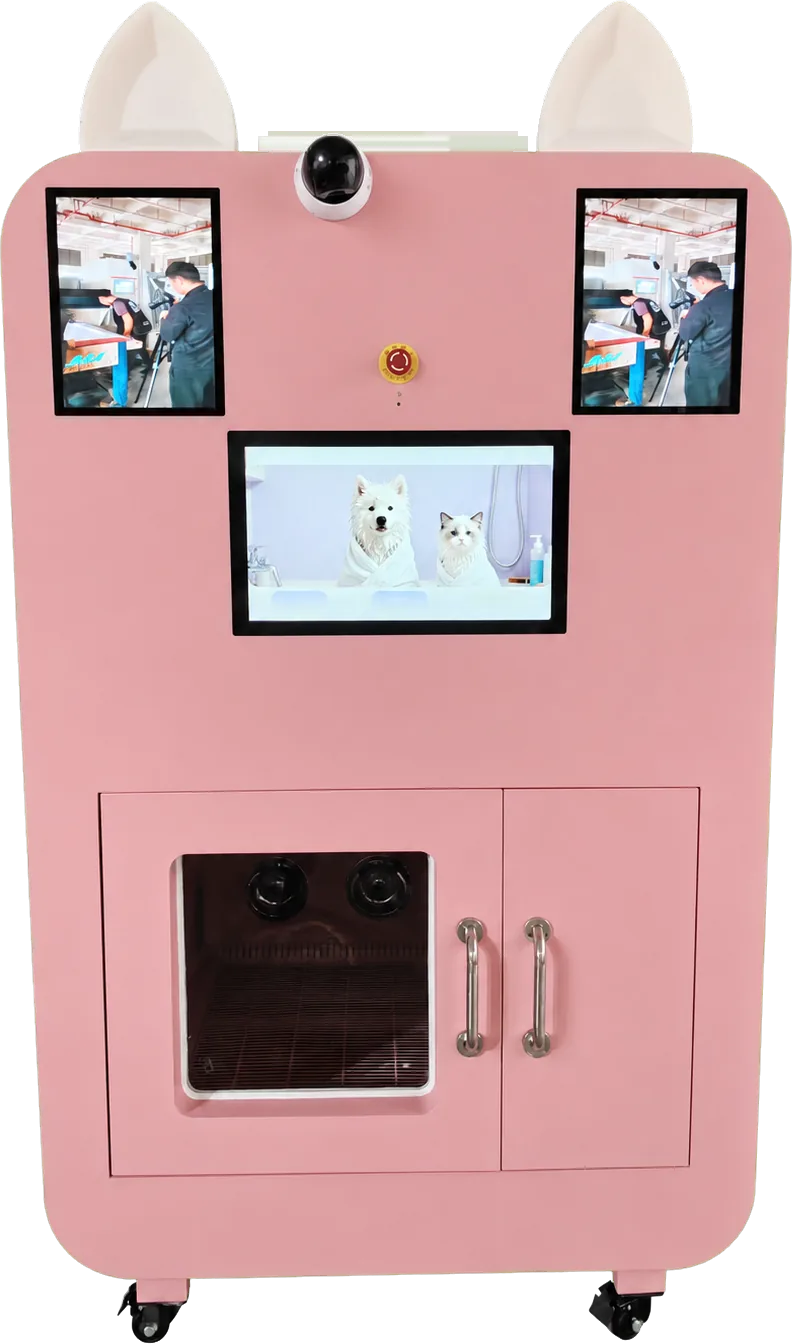
Add a Pet Wash Station to Your Car Wash
Your customers already stand in your bays washing things themselves. A self-serve pet wash station — think of it as a dog wash vending machine — gives them one more thing to wash on a corner of pavement you already own, with water, power, and drainage you already have.
Just your email — we ask for the rest by reply.
We reply within 24 hours on business days.
Why Adding a Pet Wash to Your Car Wash Is the Future
Pets are a growth market, self-service is the habit, and unattended machines are how sites earn without payroll. The numbers:
71.6%
of US households own a pet — 95 million households (APPA, 2026).
4–6 weeks
how often groomers say dogs need a bath. Every customer is a repeat customer.
$15–$20
the going US rate per self-serve wash — Petco charges $20, Pet Supplies Plus $15.
$12–24k
typical yearly revenue reported for dog wash machines at retail and car wash sites (100–200 washes/month
The APPA reports that 53% of US households own a dog, and that pet spending is heading for $165B in 2026. Bath frequency follows AKC guidance. The wash and revenue figures come from published operator reports. ICSC surveys add that 49% of consumers are more likely to visit a pet-friendly business.
Why a Dog & Cat Wash Fits a Car Wash
That's the trend. Here's why a car wash captures it better than any other business — four advantages, and no other venue has all four.
Zero new infrastructure
Water, power, and drains — a pet wash needs exactly the three things your site already has. Your install is a pad and a tee-off, not a construction project.
No extra utility costYour traffic, monetized twice
The dog is already in the car, and people who wash their own car will wash their own dog. A sign at the vacuums turns a car visit into a car-plus-dog visit — no new marketing spend.
Second sale per visitIt pulls new customers in
49% of consumers say they're more likely to visit a pet-friendly business. The pet wash becomes the reason drivers pick you over the tunnel down the road.
Traffic magnetRuns like the rest of your site
Self-serve, unattended, day and night. The pet wash washes, dries, and disinfects itself — it joins your operating model instead of adding labor.
24/7 · zero staffHow Do Car Wash Customers Use the Pet Wash Bay?
So what exactly is a pet wash bay? Here's the whole customer experience — the same self-serve flow as your wash bays, so your customers already know it.
Park & pay
Coins, card, or QR at the machine — exactly like your bays and vacuums.
Load the dog
Pet goes in the sealed cabin; the owner watches through the window.
Wash the car meanwhile
The 30-minute wash-and-dry cycle runs while they use your bay or vacuum.
Leave with both clean
The machine disinfects itself and is ready for the next customer.
How Much Can Your Car Wash Earn with a Pet Wash?
Thirty minutes, one machine, zero staff — now the add-on revenue math. Work from the traffic you already count.
Surveys aside, look at your own lot: dogs ride along constantly. Signage at the vacuums converts them.
The 30-minute pet cycle fills the exact time a careful self-serve car wash takes. Two machines earn from one visit.
Rain and mud slow car washing but multiply dirty dogs. The pet wash fills your winter trough.
Industry data puts a membership customer at roughly 4× the value of a retail one. Our backend supports packages and memberships, so the pet wash can join your club.
A worked example. Your prices, your footfall and your utility rates decide the real figure. For reference, industry articles report typical operating cost of $1–3.50 per wash for well-placed dog wash machines.
What One Pet Wash Costs You to Run
You already know your cost per car. This is your cost per dog, from the meter reading to the price you set from the backend.
Power and water per wash
One wash draws 2–2.5 kWh of power and 0.09–0.11 m³ of water. On most sites that is a smaller draw than one careful self-serve wash in your own bay.
2–2.5 kWh · 0.09–0.11 m³Consumables and the disinfection cycle
Add the metered shampoo, the conditioner, and the disinfection cycle that runs after every pet. Published operator reporting puts the all-in cost of one wash at $1.20–$3.50.
$1.20–$3.50 all-inNo labor line on the sheet
Nobody has to be there. The machine collects hair and waste water itself, then disinfects the cabin before the next pet walks in.
Zero staff hoursYour price is already set by the market
Petco charges $20 and Pet Supplies Plus charges $15 for 30 minutes. Tractor Supply runs under $10, so $15 sits in the middle rather than at the top.
$15–$25 typical US rangeWhat your customer pays a groomer
A professional groom in the US averages $60, plus an appointment and a drop-off. Your wash is $15, needs no booking, and finishes while they vacuum the car.
$60 groom vs $15 washUtility figures are machine specifications. The cost per wash and the $60 groom average come from published industry reporting, including Dogster.
Installing a Pet Wash at Your Car Wash
The returns work — but can your site host one? This is where car washes win: the utilities are already yours. The whole checklist, before you spend anything:
The checklist — you have most of it
- 1.2 m² of level concrete — a bay corner or beside the vacuums
- Water tee-off from your existing supply
- Drain — your bays already have them
- 220–240 V or 110–120 V power, whichever your country uses
- Wi-Fi or SIM for payments and monitoring
What we handle
- Dimensioned machine drawings with utility hookup points
- Voltage & payment terminal for your country
- Your branding on the cabinet if you want it
- Remote onboarding — pricing set from your phone
- Lifetime tech support by email and video call
Still Considering an Open Pet Wash Tub?
The open tub is what most car washes see first. Here is what owners report about open tubs, set against the sealed cabin we built to answer it.
| Open-tub dog wash | PetWashPlus sealed cabin | |
|---|---|---|
| Kills 99.9% of germs before the next pet | ✕ hand scrubbing after each wash | ✓ ozone, infrared, UV-C, 4 minutes |
| Keeps hair out of your floor drains | ✕ hair washes into drains | ✓ collected inside every cycle |
| Controls odor without enzyme dosing | ✕ needs enzyme dosing | ✓ sealed cabin, no smell |
| Dog leaves dry instead of shaking water | ✕ wet dog shakes the room | ✓ full dry before the door opens |
| Dries quietly at 65 dB or less | ✕ force dryers often pass 100 dB | ✓ 65 dB or less |
| Meters consumable cost per wash | ✕ chemical costs creep up | ✓ tracked in your backend |
The open-tub column reflects what operators report about them. The decibel figures are machine specifications on both sides.
Already Comparing Pet Wash Equipment?
Four ways car washes add a pet bay. Only one of them keeps earning while nobody is there.
| In-bay flip-down tub | Converted wash room | Modular kiosk | Sealed automatic machine | |
|---|---|---|---|---|
| Keeps your bay earning as a car bay | ✕ | ✓ | ✓ | ✓ |
| No construction or permit scope | ✓ | ✕ room build | ✕ building permit | ✓ |
| Fits in about 1.2 m² of pavement | ✓ 1 ft × 7 ft | ✕ 10 × 10 ft room | ✕ 100–200 sq ft | ✓ |
| Stands in the open air | ✕ | ✕ | ✓ | ✓ weatherproof steel |
| Runs without staff cleaning between washes | ✕ | ✕ | ✕ | ✓ 4-minute self-clean |
| Earns overnight, unattended | ✕ | ✕ | ✓ | ✓ 24/7 |
| Uses the water, power and drain you already have | ✓ | ✕ ventilation too | ✕ | ✓ |
Cost figures on the middle two are operator-reported; ours comes with your quote. The machine needs 220–240 V or 110–120 V, water, and a drain, which your site already has.
Is an Automatic Pet Wash Safe on an Unattended Lot?
Nobody is on your lot at 2 a.m. So the safety has to live inside the machine, and the proof has to live in your files. Here is both.
What protects the pet
- Life detection — millimeter-wave radar plus infrared watch the pet for the whole cycle
- 30-second auto-unlock — no vital signs for 30 seconds and the door opens by itself
- 42 °C hard cutoff — an NTC sensor kills power if water or air goes above 42 °C
- Water held at 38 °C ±2 °C — PID-controlled every cycle, at 0.1–0.5 MPa, no guessing
- Emergency stop button — a physical button on the panel halts everything instantly
- Drying at 65 dB or less — rival dryers often pass 100 dB
- Owner stays at the window — sealed cabin with fresh-air circulation, full view in
What protects you and your insurance
- CE (LVD + EMC) and RoHS — the electrical and materials certificates, supplied with your order
- Paperwork for customs, your insurer, and your landlord — answered up front, not after they ask
- Alerts push to your phone — abnormal events reach the operator, not a voicemail box
- Self-disinfection after every pet — ozone/anion, infrared and UV-C, 4 minutes, killing 99.9% of germs
- Hair and waste water stay inside the machine — nothing to argue about with a plumbing inspector
- No perfume or essential-oil sprays — those can harm a cat's liver and kidneys; the gentle shampoo just leaves a light fresh scent
We hold CE (LVD + EMC) and RoHS.
Picking the Right Pet Wash Machine
Whichever situation you're in, two of our five machines cover almost every car wash.
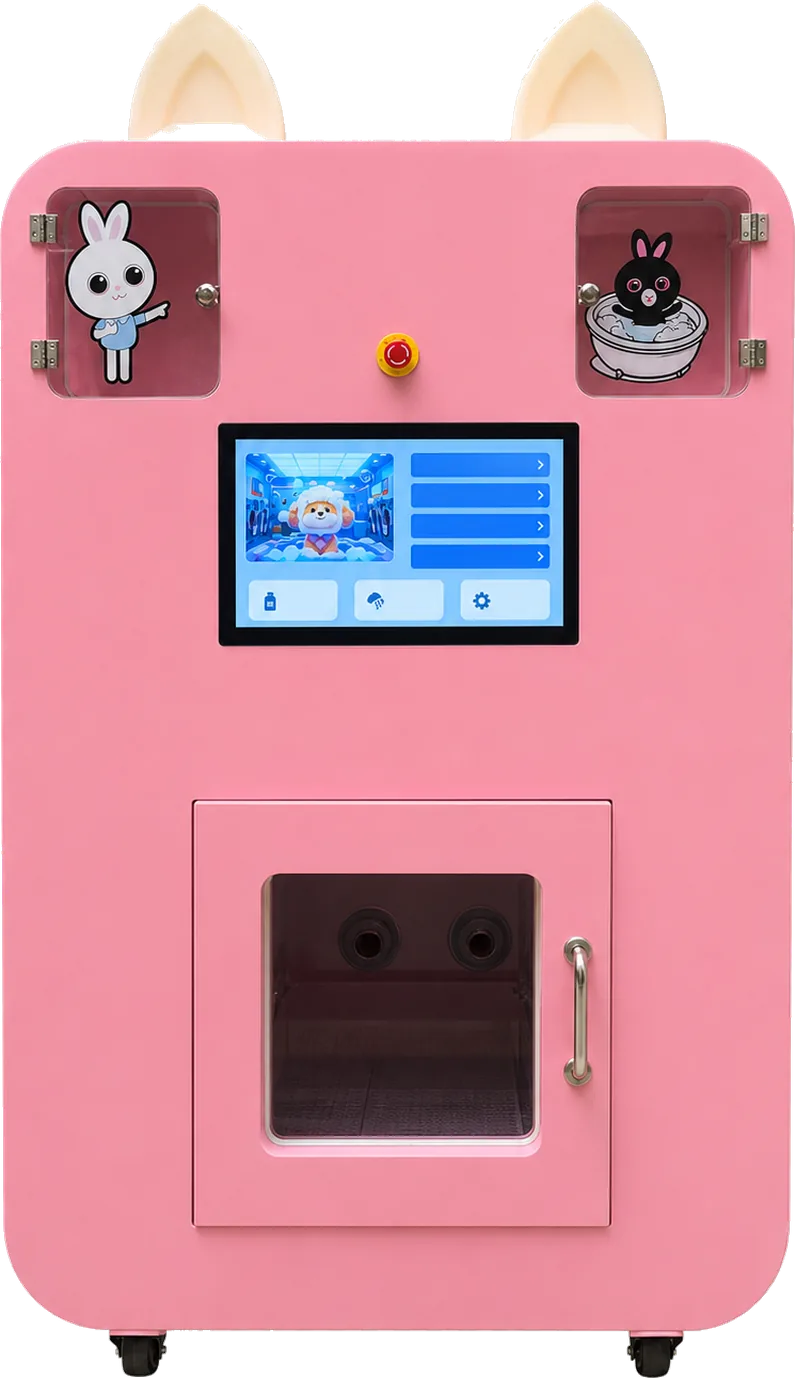
PetWash Pro
Indoor or outdoorWeatherproof steel cabinet, −10 °C to 55 °C, Nayax payments. By the vacuums, in a spare bay, or under the canopy.
See the Pro →PetWash Max
Indoor or outdoorOvernight the left-hand door works alone — seven steps, wash through dry, with nobody on the lot. Come daylight, the second door earns its keep. Behind it sit a dryer and a water gun that holds its temperature, ready for the caked-on mud your crew sees all day. This is our flagship, and the only model that's both automatic and manual. Dogs and cats to 70 kg.
See the Max →Certified for Export: CE, LVD, EMC & RoHS
You don’t have to worry about compliance. Every machine already meets CE, LVD, EMC, and RoHS standards, and we hand you the documents you need for customs, insurance, or your property manager.
CE certified
CE is the EU’s official conformity mark, and we include the certificates with your order for customs, insurers, and property managers.
LVD tested
LVD stands for the EU Low Voltage Directive, the electrical safety test that CE certification is built on. Tested to IEC 60335-2-75 with IEC 60335-1 — the standard written for commercial dispensing appliances.
EMC tested
It means the machine won’t cause electromagnetic interference with payment terminals or nearby equipment.
RoHS compliant
RoHS compliant means the machine is free of restricted hazardous substances, so it’s safe to import and operate. Assessed to EN IEC 63000:2018.
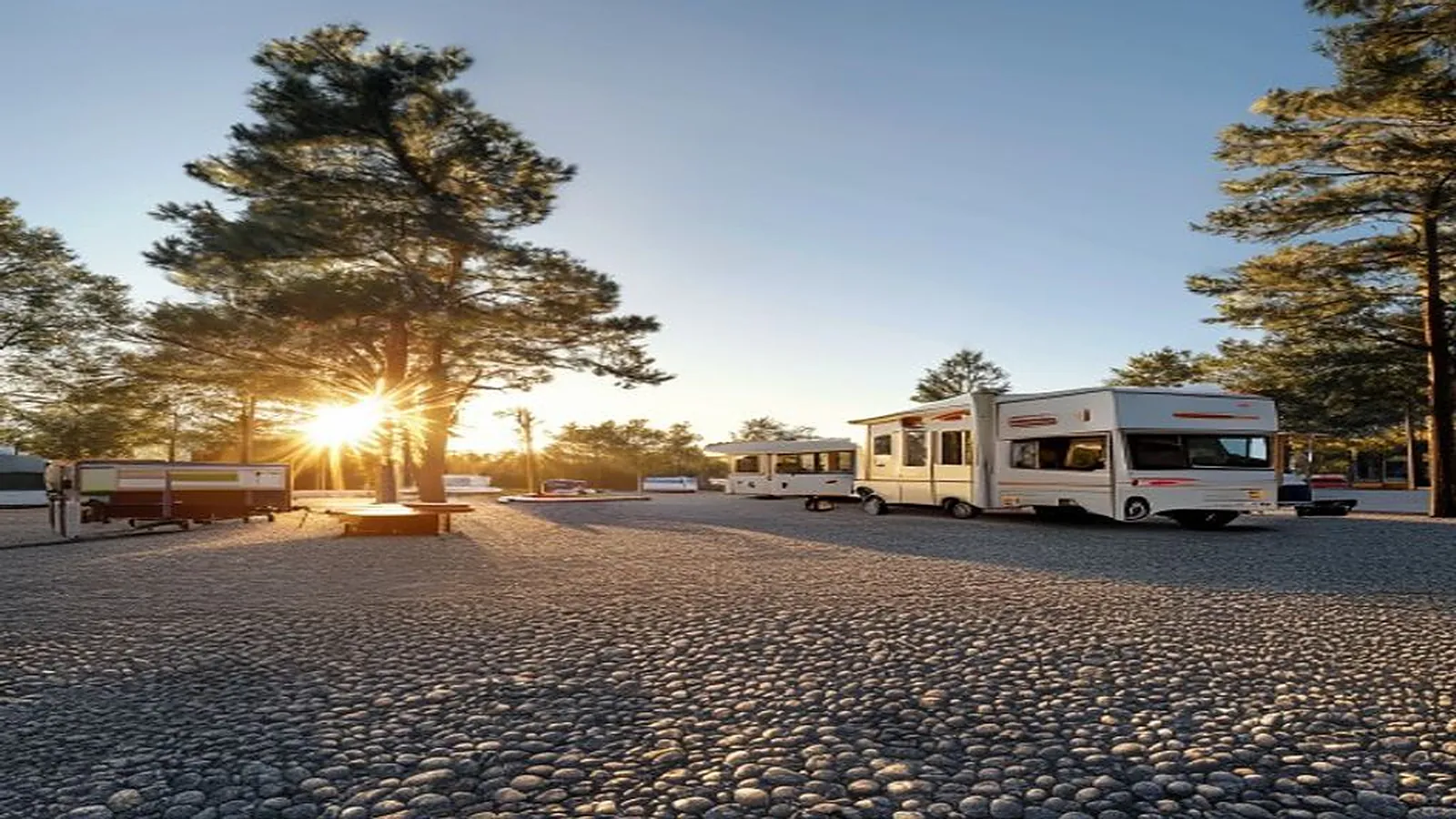
Where Else a Pet Wash Station Earns
Put a Pet Wash on Your Lot
Send the country and the quantity. You will have factory-direct pricing and lead time within a day, plus the utility figures your installer will ask for.
- Factory-direct price, no middleman
- Install advice matched to your existing utilities
- Your branding on the cabinet
- Honest guidance — including “that corner won't work”
No spam. Your details are used only to prepare your quote.
Pet Wash for Car Washes — FAQ
What car wash owners ask before adding one.
Will dog hair clog my drains?
No — the machine collects hair and waste water internally after each wash instead of flushing them to your floor drains. That protection is built in precisely because most of our machines stand on sites like yours.
Does an outdoor pet wash machine need a roof?
No. The weatherproof steel cabinet runs rain or shine, −10 °C to 55 °C, in the open air or under cover. And if you would rather have one, we can supply an optional canopy for any outdoor model — just say so when you order.
What about liability if a pet is hurt in the wash machine?
The machine watches the pet with radar and infrared sensors, unlocks automatically if no vital signs show for 30 seconds, caps water at 42 °C, and has a physical stop button. The owner stays at the window the whole time — the same supervision model as your wash bays. Your insurer will want an electrical file before the machine goes on your policy. The CE (LVD + EMC) and RoHS certificates ride in the crate with the hardware, so that file is complete on delivery. And a dog getting hurt would take several of these systems failing at once.
How much extra work is a pet wash station for me?
Very little. You restock shampoo, empty the coin vault, and look it over on your normal rounds — about the same attention as one vacuum station. Everything else it does itself: it reports its status to your phone and disinfects the cabin after every wash.
Can the pet wash machine match my site's branding?
Yes — cabinet color, your logo, and panel printing are standard OEM options, approved on a design proof before production.
Does an outdoor pet wash machine work in winter?
Down to −10 °C ambient, washing at a constant 38 °C with full drying before the pet steps out. Colder than that, a side canopy or a wall-adjacent pad solves it.
What does a pet wash machine cost and how fast can I get one?
Around 25 business days to build, shipped by sea or by FedEx, DHL or UPS. Name your country and how many machines, and the figure comes back inside a day.
How much does a self-serve dog wash make at a car wash?
Published operator numbers put typical machines at 100–200 washes per month — roughly $12,000–$24,000 a year at $10–$15 per wash. One California parks program reports about $120,000 a year across six machines. Your traffic decides your number, which is why we model it from your real car counts.
How much does a dog wash machine cost?
Think back to buying your vacuums, or the equipment in your bays. That invoice probably came through a regional dealer who never touched a wrench. This one comes straight off the plant floor — our own engineers built the hardware and write the software. Two lines price it: which country you're in, and how many machines. Quote back inside a day.
Do I need an attendant like tub-style dog washes?
No. Tub-style stations need someone to rinse and scrub between washes — that's the top complaint on car wash forums. Our cabin is sealed and disinfects itself after every pet, so it runs unattended like your wash bays. You restock shampoo and empty the coin vault on your normal rounds.
Do I need permits to add a pet wash?
Usually far less than a construction project, but check your city: typically a business-license update and a plumbing sign-off. One rule to know: pet wash wastewater generally can't discharge to a septic system. Our machine collects hair and waste water internally, which simplifies the drainage conversation, and we supply the spec sheets and CE / RoHS documents your inspector or insurer asks for.
Is an automatic pet wash safe for nervous dogs?
The design assumes nervous dogs. Water stays at 38 °C and the dryer runs at 65 dB or less. Spray is directed away from the head. Radar and infrared sensors watch for vital signs and unlock the door after 30 seconds without one. A stop button halts everything instantly. The owner stands at the window the whole time. For a first visit, owners can start with a short dry-only cycle so the dog learns the cabin is fine.
How often do dogs actually need washing?
Groomers and the AKC put it at every 4–6 weeks for most breeds — more for double coats and mud lovers. That's the business point: a car gets washed when it's dirty, but a dog is on a schedule. Your pet wash customers come back monthly.
What happens if the machine breaks and you are on the other side of the world?
You film the fault on your phone. Our engineers join a video call, diagnose it live, and ship the replacement part free with fitting instructions. Software faults we fix remotely with an update. Cover is 1 year on the whole machine, with lifetime maintenance after that. We have been in the pet wash business over 10 years and we run our own pet wash stores — a dead machine costs us as well as you.
What certificates come with the pet wash machine?
The machine holds CE (LVD + EMC) and RoHS, and those certificates ship with your order for customs, your insurer, and your property manager.
How much water and power does one pet wash use?
About 2–2.5 kWh of electricity and 0.09–0.11 m³ of water per wash; the compact machine uses roughly 2 kWh and 0.09 m³. Water is heated to 38 °C and held there by PID control, at 0.1–0.5 MPa. On most sites that is less than one careful self-serve car wash. Published operator reporting puts the all-in cost per wash, consumables included, at $1.20–$3.50.