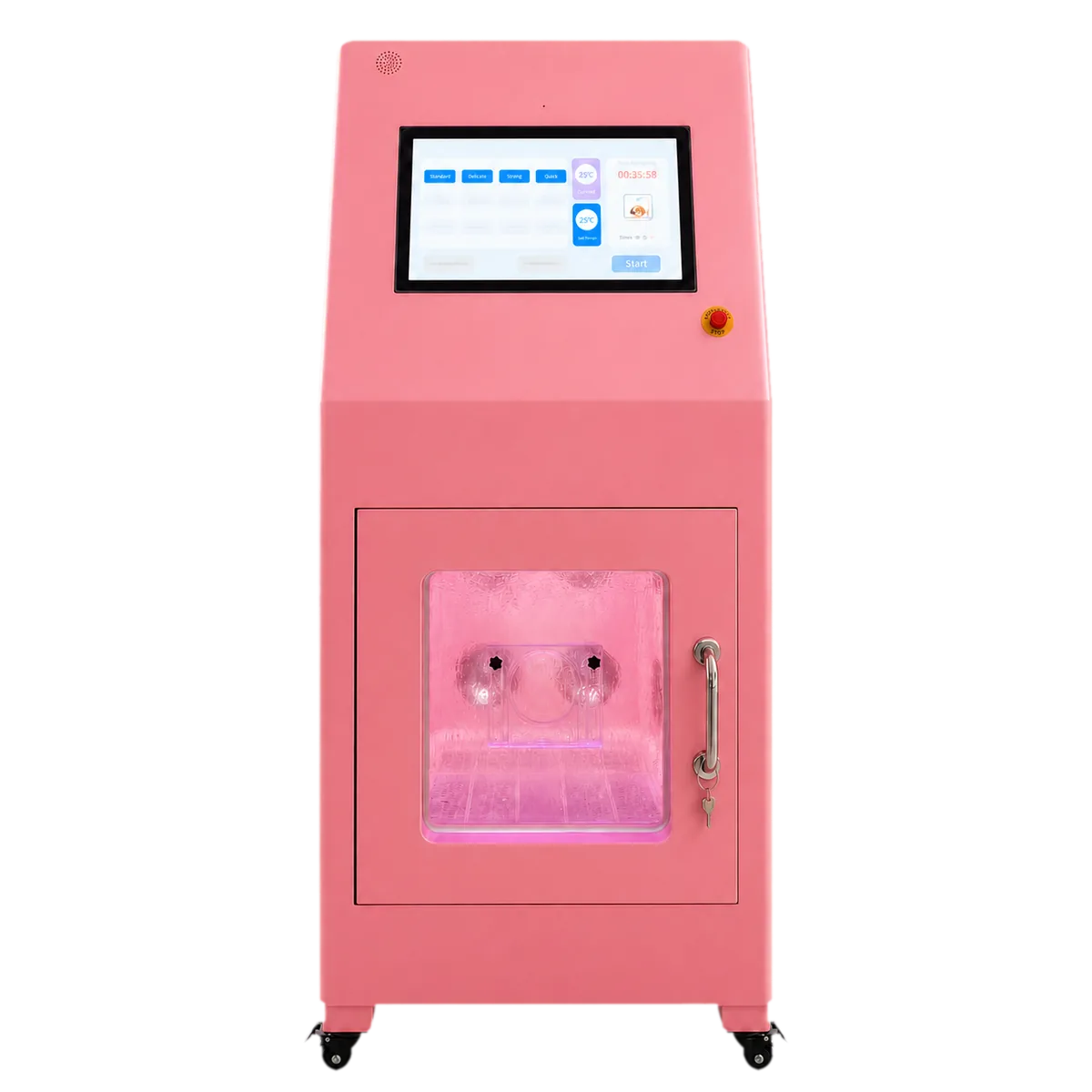
A Pet Wash Station for Your Pet Store
Shelves earn when customers visit. A self-serve pet wash makes them visit every month: dogs need a bath every 4–6 weeks (AKC), and 28% of owners already bring the dog shopping. Give them a reason to bring the dirty one.
Just your email — we ask for the rest by reply.
We reply within 24 hours on business days.
Why Pet Store Customers Want an In-Store Pet Wash
Pet ownership is at a record high, and washing is the one job your customers cannot order online. Four numbers to price against.
US pet spending hit $158B in 2025 and is heading for $165B in 2026 (APPA). 53% of US households own a dog — about 71 million homes, each on a 4–6 week bath cycle (AKC).
Why a Pet Wash Fits a Pet Store Better Than a Grooming Department
A grooming department needs a groomer, a wet room, and a booking book. A wash station needs a corner, a tap, and a socket.
| Grooming department | Pet wash station | |
|---|---|---|
| Opens without hiring a groomer | ✕ hardest role to fill | ✓ customers self-serve |
| Fits a corner with no wet room built | ✕ waterproofing, ventilation, drains | ✓ 0.5–1.2 m², no construction |
| Takes walk-ups without a booking book | ✕ bookings and no-shows | ✓ walk-up use |
| Earns through every hour you are open | ✕ capped by one pair of hands | ✓ limited only by opening hours |
| Disinfects itself after every pet | ✕ | ✓ 4 minutes, 99.9% of germs |
| Dries the pet at 65 dB or below | ✕ force dryers pass 100 dB | ✓ 65 dB or below |
| Takes payment without a staff member | ✕ | ✓ Nayax, 80+ channels |
This does not replace grooming. Clipping, styling, and a badly matted coat still need a groomer's hands. The machine covers the bath and dry — the part your customers come back for again and again.
How an In-Store Pet Wash Grows Basket Size
The wash is the visit driver. The basket is where the margin lives.
A monthly habit, anchored to you
A bath every 4–6 weeks means 9–12 visits a year from every wash customer — each one walking past your shelves twice. At 100–200 washes a month, the wash itself adds $12,000–24,000 a year before the basket.
Repeat trafficAttach sales at the machine
Shampoo, conditioner, towels, brushes, and treats sell where they’re needed. Put a small shelf beside the station and watch it turn.
Retail attachA service the chains can’t undercut
Price wars on kibble are lost online. A wash in your store is a service Amazon can’t ship — and 49% of consumers are more likely to visit a pet-friendly business.
Online-proof revenueClean, sealed, on-brand
No wet room, no smell, no fur on the floor. The sealed cabin disinfects itself after every pet — hygiene your customers can see.
Sealed & self-cleaningWhat a Pet Wash Station Earns in a Pet Store
The basket is the bonus. First, the machine on its own — worked at four washes a day, at the going US self-serve rate.
Dogs need a bath every 4–6 weeks (AKC), so one wash customer comes back 9–12 times a year and walks your shelves twice each time. None of that traffic is counted in the table above.
Shampoo, brushes, towels, and treats sell hardest beside a wet dog. Put a small shelf at the machine — that margin sits on top of the $1,620.
Water, power, and consumables run $1.20–$3.50 depending on your utility rates and the size of the pet. Even at the top of that range, a $15 wash keeps most of itself.
No groomer, no booking book, no no-shows. A 30-minute wash-and-dry cycle means a busy Saturday can run back to back with nobody added to payroll.
A worked example — your price, footfall, and utility rates set the real numbers. For context, dog wash machines at retail sites typically report $12,000–24,000 a year, at 100–200 washes a month. One published operator report puts the average machine at about $17,000 a year. Another reports $15,000 annual profit per unit, with a 12–24 month ROI. Ask for the factory quote and put your own payback window on it.
What a Pet Wash Station Needs in Your Store
Water in, drain out, a socket, a corner. That is the whole list — here it is before you spend anything.
What your store supplies
- 0.5–1.2 m² of level floor — the Mini is 800 × 750 mm, the Store 780 mm wide × 1200 deep
- A cold water feed at 0.1–0.5 MPa — a tee off the supply you already have
- A drain for the outflow — hair and waste water are caught inside the machine first, so no interceptor and no clogged floor drain
- Power: 220 V 50 Hz (220–240 V or 110–120 V). The Mini's 1870 W runs on a normal wall socket
- Wi-Fi or a SIM for card and QR payments and remote monitoring
- Nothing else — no wet room, no waterproofing, no extra ventilation
What we supply
- CE (LVD + EMC) and RoHS certificates with the order — for customs, your insurer, and your landlord
- Dimensioned machine drawings for your build-out
- Voltage and payment terminal matched to your country
- Nayax payment terminal with 80+ channels worldwide on every self-serve model, standalone or networked
- Branded signage artwork, plus OEM cabinet color, logo, and screen language
- Lifetime tech support — film a fault, our engineers diagnose it on a video call, the part ships free
Each wash uses 2–2.5 kWh and 0.09–0.11 m³ of water (the Mini about 2 kWh and 0.09 m³). Lead time is within 25 business days, shipped by sea or FedEx / DHL / UPS.
Self-Serve Tub or Enclosed Pet Wash Machine — What a Store Should Buy
Most store owners price the tub first. Price the whole thing, not just the tub.
| Self-serve tub | Enclosed automatic | |
|---|---|---|
| Works without building a wet room around it | ✕ | ✓ |
| Waterproofing, ventilation, floor drain, tiling included | ✕ extra build | ✓ none needed |
| Frees the floor space again if you move it | ✕ | ✓ |
| Washes without a staff member present | ✕ | ✓ |
| Someone must scrub it after every wash | ✕ every time | ✓ never |
| Hair kept out of your floor drain | ✕ | ✓ internal filter |
| Odor controlled without daily work | ✕ | ✓ |
| Disinfects itself between pets | ✕ | ✓ ozone, infrared, UV-C |
| Dries the pet as part of the cycle | ✕ | ✓ about 30 minutes |
| Wet dog shakes water across your floor | ✕ yes, it does | ✓ no, sealed cabin |
| Takes payment on its own | ✕ | ✓ Nayax, 80+ channels |
| Hidden payroll line inside the equipment | ✕ needs attendance | ✓ none |
Those figures come from published operator reports. We have been in the pet wash business over 10 years and run our own pet wash stores. Ask us what actually breaks before you compare spec sheets.
Picking the Right Pet Wash Machine for a Store
Honest guidance by store size — and if you want the strongest machine we make, that is the Max.
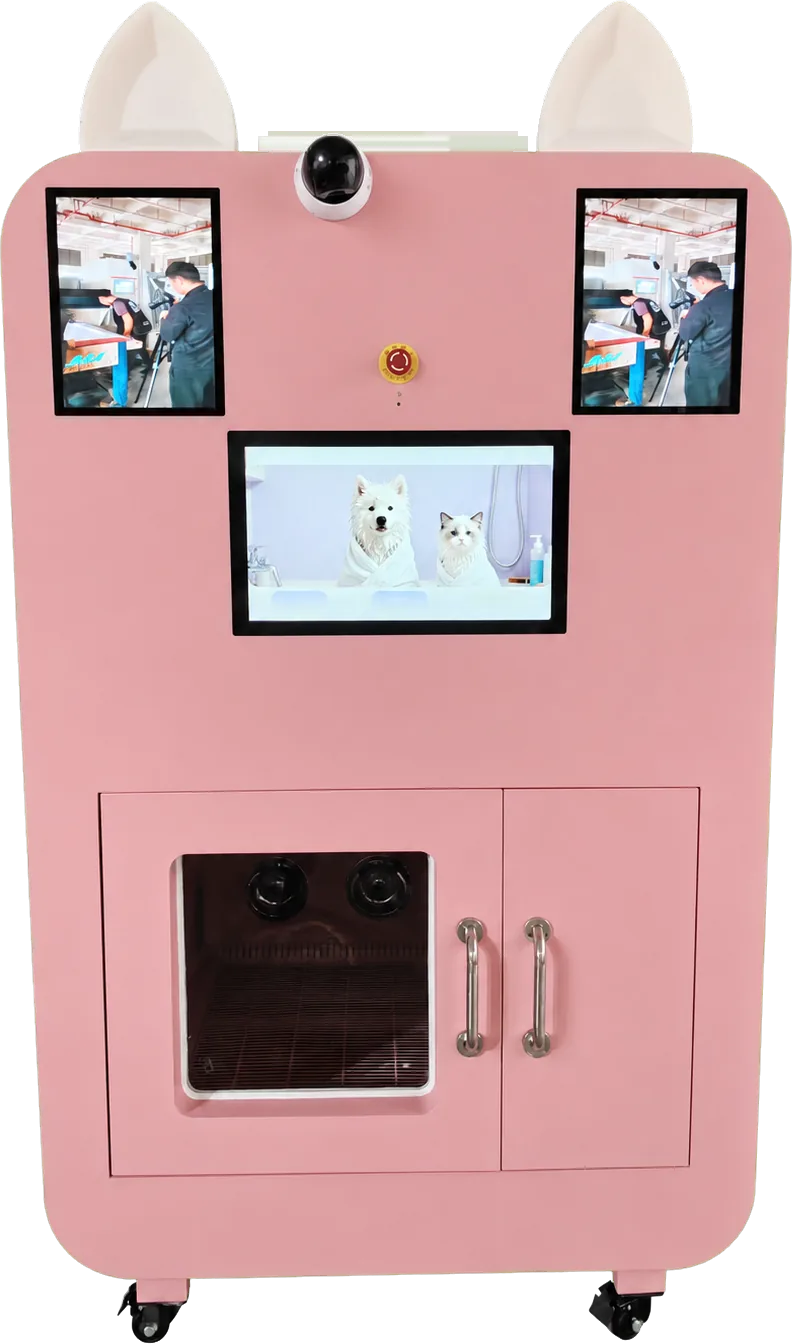
PetWash Max
Indoor or outdoorTwo doors, two things to sell. Behind the right one is a manual bay with a constant-temperature water gun and dryer, so hand-finishing becomes a paid add-on, not a courtesy. Meanwhile the automatic side works through its seven steps unattended, which means two pets and two tickets at once. It's our flagship, and the only model that does both, with room for dogs to 70 kg.
See the Max →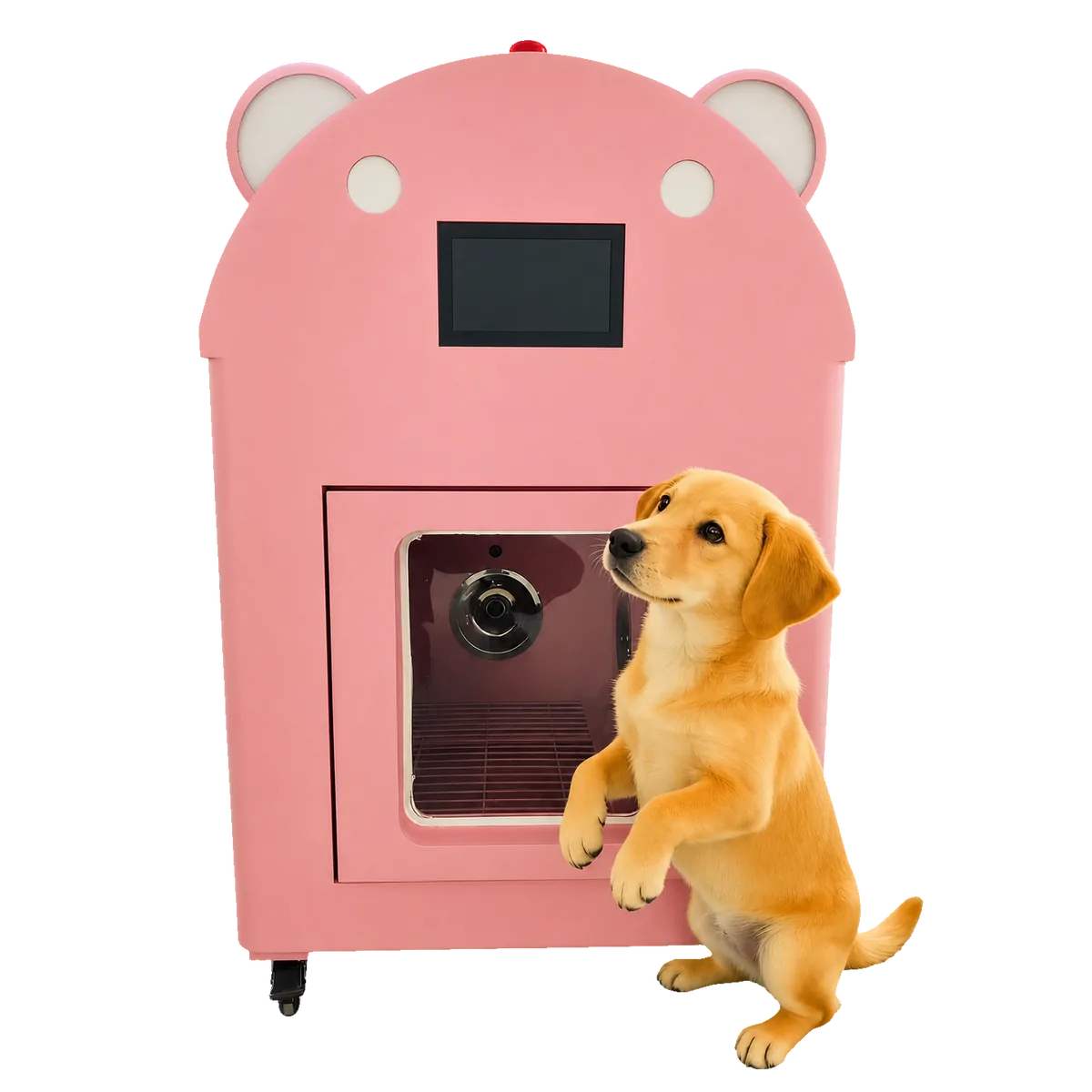
PetWash Mini
Indoor0.6 m², 81 kg, normal socket. Cats and dogs to 15 kg.
See the Mini →PetWash Store
IndoorOnly 78 cm wide — full automatic, all breeds to 70 kg, made for the shop floor.
See the Store →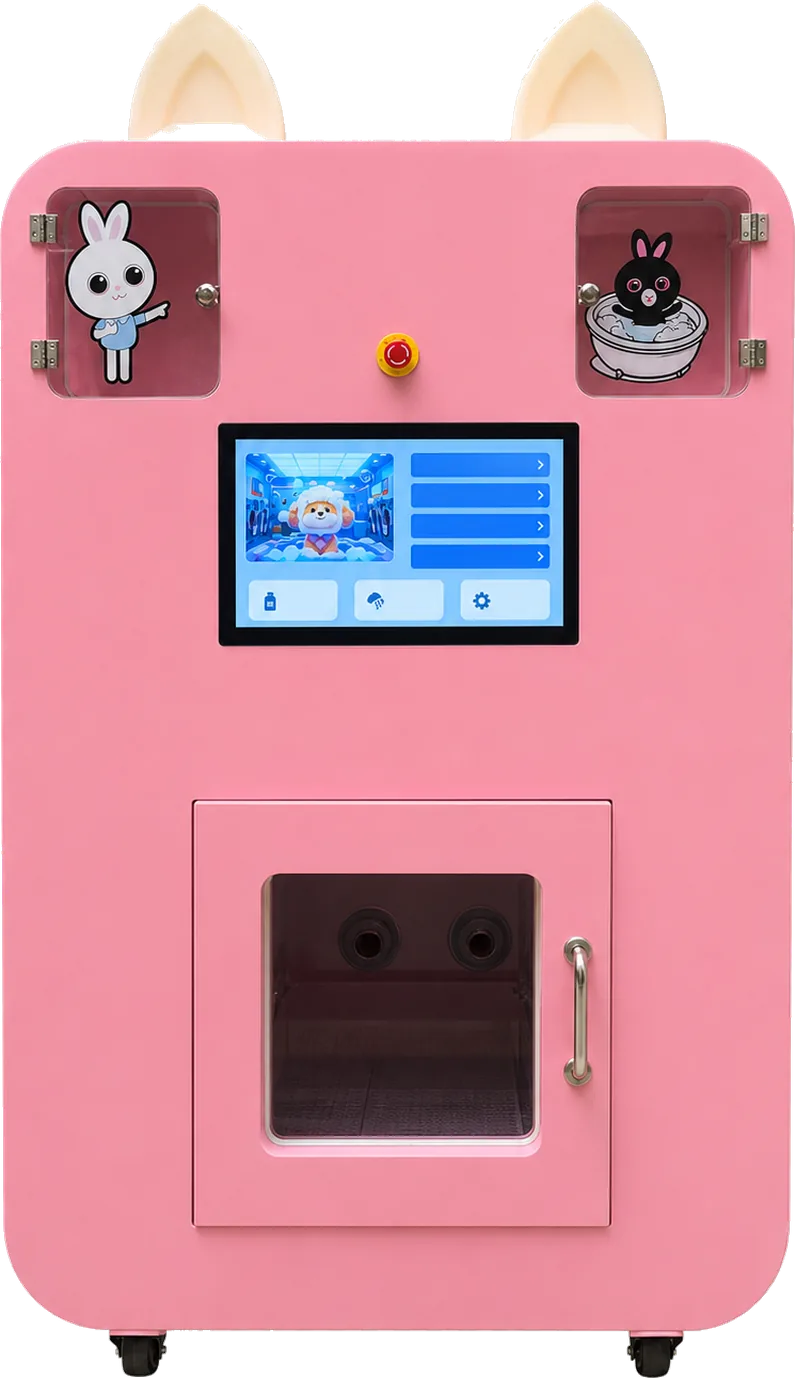
PetWash Pro
Indoor or outdoorServe customers even when the store is closed.
See the Pro →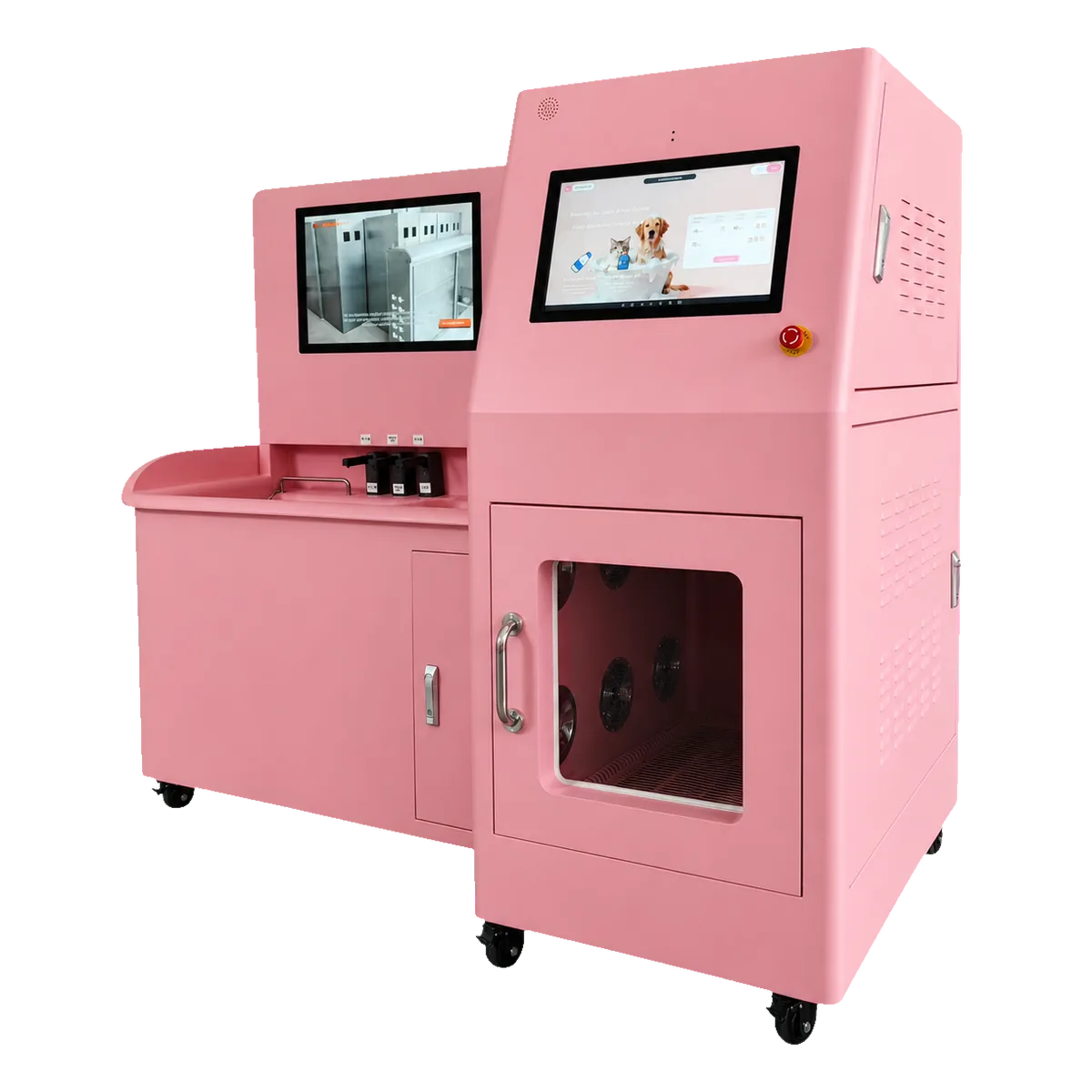
PetWash Tub
Indoor or outdoorYour groomer keeps the hands-on wash and gains a drying cabinet beside the bath, so the next dog starts while the last one dries. Four labelled taps: coat care, flea and tick, bath gel, water. Soak baths too.
See the Tub →Is an Automatic Pet Wash Safe for Dogs & Cats?
It is the first question every customer asks at the machine. Here is the answer you can give them, and what backs it up.
What the machine watches
- Millimeter-wave radar and infrared life detection run for the whole cycle
- 30-second auto-unlock — if the sensors lose the pet's signal, the door opens itself
- NTC cutoff kills the power if water or air passes 42 °C
- Water held at 38 °C ±2 °C by PID control, not a thermostat guess
- Drying stays under 65 dB — rival dryers often run past 100 dB, which is what actually frightens pets
- Abnormal events push an alert to your phone, wherever you are in the store
What people control
- A physical emergency-stop button on the panel — one press ends the cycle
- The owner watches through the window the whole time and never has to leave
- Sealed cabin with fresh-air circulation — sealed against splash, not against air
- No perfume or essential-oil sprays — they harm cats' liver and kidneys. The gentle shampoo leaves a light fresh scent instead
- Match the machine to the pet — the Store and Pro take pets to 70 kg, the Mini is built for cats and dogs to 15 kg
- CE (LVD + EMC) and RoHS documents in the box, for the conversation with your insurer
Every wash ends with a 4-minute ozone, infrared, and UV-C disinfection that kills 99.9% of germs — automatic, after every pet, whether or not anyone remembers to press anything.
Certified for Export: CE, LVD, EMC & RoHS
You don’t have to worry about compliance. Every machine already meets CE, LVD, EMC, and RoHS standards, and we hand you the documents you need for customs, insurance, or your property manager.
CE certified
CE is the EU’s official conformity mark, and we include the certificates with your order for customs, insurers, and property managers.
LVD tested
LVD stands for the EU Low Voltage Directive, the electrical safety test that CE certification is built on. Tested to IEC 60335-2-75 with IEC 60335-1 — the standard written for commercial dispensing appliances.
EMC tested
It means the machine won’t cause electromagnetic interference with payment terminals or nearby equipment.
RoHS compliant
RoHS compliant means the machine is free of restricted hazardous substances, so it’s safe to import and operate. Assessed to EN IEC 63000:2018.
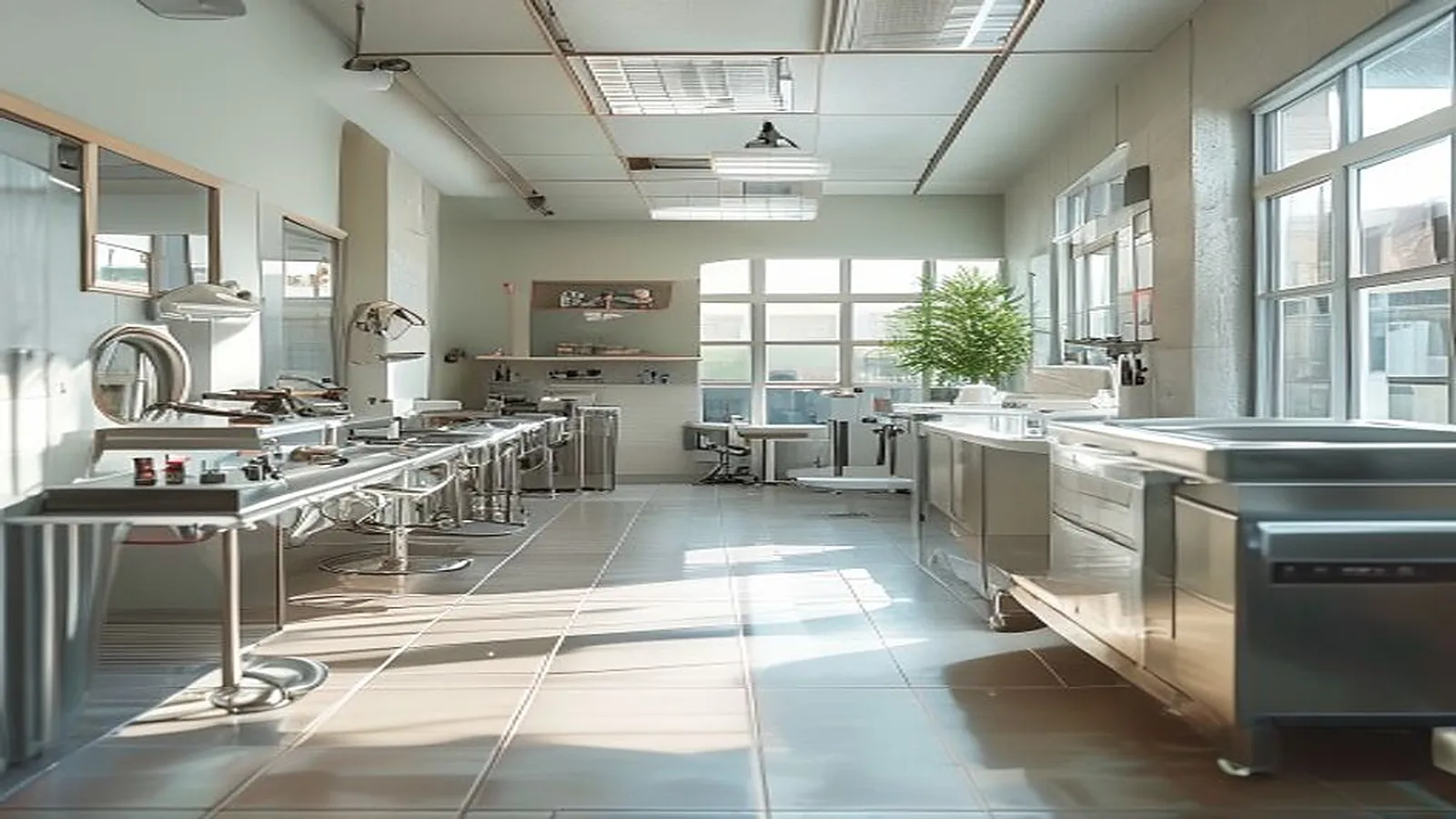
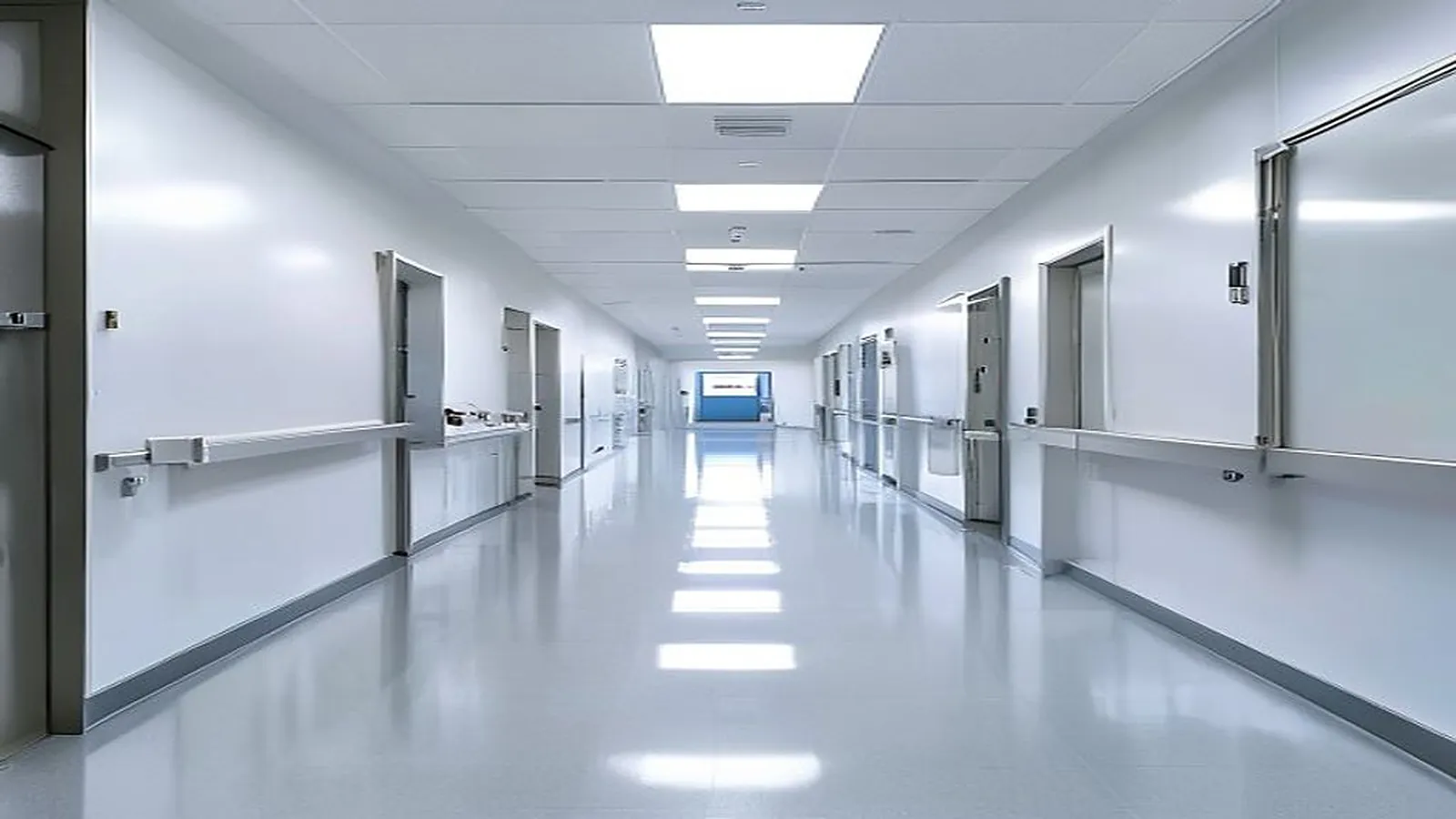
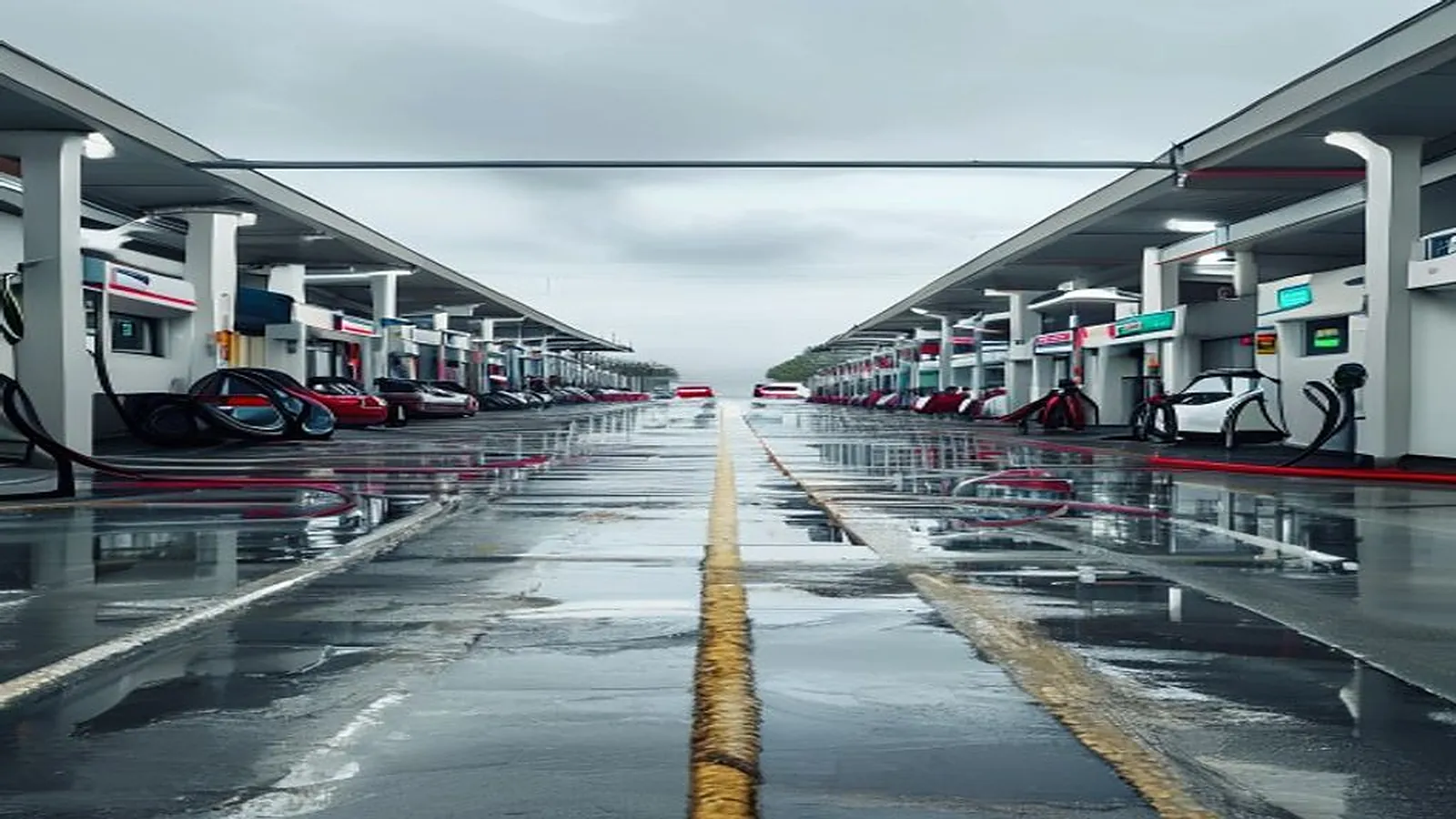
Where Else a Pet Wash Station Earns
Put a Pet Wash in Your Store
Your country and a unit count is everything we need. A recommendation and factory-direct pricing follow within 24 hours, sized to the corner you have in mind.
- Factory-direct price, no middleman
- The Mini fits where gondolas fit
- Branded signage artwork included
- Honest advice — including “that corner won’t work”
No spam. Your details are used only to prepare your quote.
Pet Wash for Pet Stores — FAQ
What store owners ask before adding one.
How much space does an in-store pet wash station really need?
The PetWash Mini takes 800 × 750 mm — 0.6 m² — and runs on a normal wall socket at 1870 W. The 78 cm-wide PetWash Store fits a single aisle slot; the full-size Pro needs 1.2 m². Measure the corner you have in mind against those three numbers and you'll know straight away which one fits.
Do I need a groomer on staff?
No. The machine runs the whole cycle — wash, rinse, dry, self-disinfect. Customers operate it themselves, or any staff member can run it as a service. It’s a self-serve dog wash amenity, not a grooming department.
Will it make the store smell like wet dog?
The cabin is sealed, so splash and smell stay inside it. After every pet it runs ozone, infrared, and UV-C for 4 minutes and collects the hair and waste water internally.
Can a pet wash machine wash cats, not just dogs?
Yes, and cats are exactly who the PetWash Mini was designed for. The thing that frightens a cat in a normal bath is the noise, and a hand-held force dryer runs past 100 dB. Ours stays at 65 dB or below. The cabin is sealed and quiet, the water holds at body-warm 38 °C, and the cat is left alone instead of being held down by a stranger. Life sensors watch the whole time and unlock the door if anything is wrong. There are also no perfume or essential-oil sprays, because those harm cats' livers and kidneys. The gentle animal-friendly shampoo leaves a light fresh scent of its own. We can send you a full cycle filmed with a British Blue, which settles the question faster than any spec sheet.
What does a pet wash machine cost and how fast can I get one?
Production takes about 25 business days, and we ship by sea or by courier — FedEx, DHL or UPS. Country and quantity are all we need; the quote is with you within 24 hours.
How does the price compare with a self-serve tub?
The table above is the honest comparison, because a tub's equipment price is not the whole cost. A tub needs a wet room built around it and someone to scrub it after every wash, and all of that is already inside this cabinet. On our own number, we are the factory, so there is no trader margin in it, and what you pay depends mainly on how many units you order. Tell us your country and how many you need, and you'll have a quote within 24 hours.
How long before a pet wash machine pays for itself?
That depends on your price and your footfall, so work it from washes. 120 washes a month at $15 is $1,800, minus roughly $1.20–$3.50 a wash for water, power, and shampoo. Published operator figures give the other half of the sum: one published operator report states $15,000 average annual profit per unit, and another puts the average machine at about $17,000 a year.
Does an in-store pet wash need a permit or wastewater approval?
Rules vary by city, so check locally — but the two things inspectors usually ask about are hair in the drains and untreated wash water, and the machine collects both internally every cycle. We supply the spec sheets, the consumption figures (2–2.5 kWh and 0.09–0.11 m³ per wash), and the CE (LVD + EMC) and RoHS certificates, so your permit file and your landlord file both have real documents in them.
What happens if the pet wash machine breaks and you're on the other side of the world?
You've already promised customers that corner, so a machine that's down costs you the visit and the basket. Show us the fault on video, our own engineers diagnose it live, and the part ships free. Software faults we patch from here. We build these and run wash stores ourselves, so the fault is seldom new.