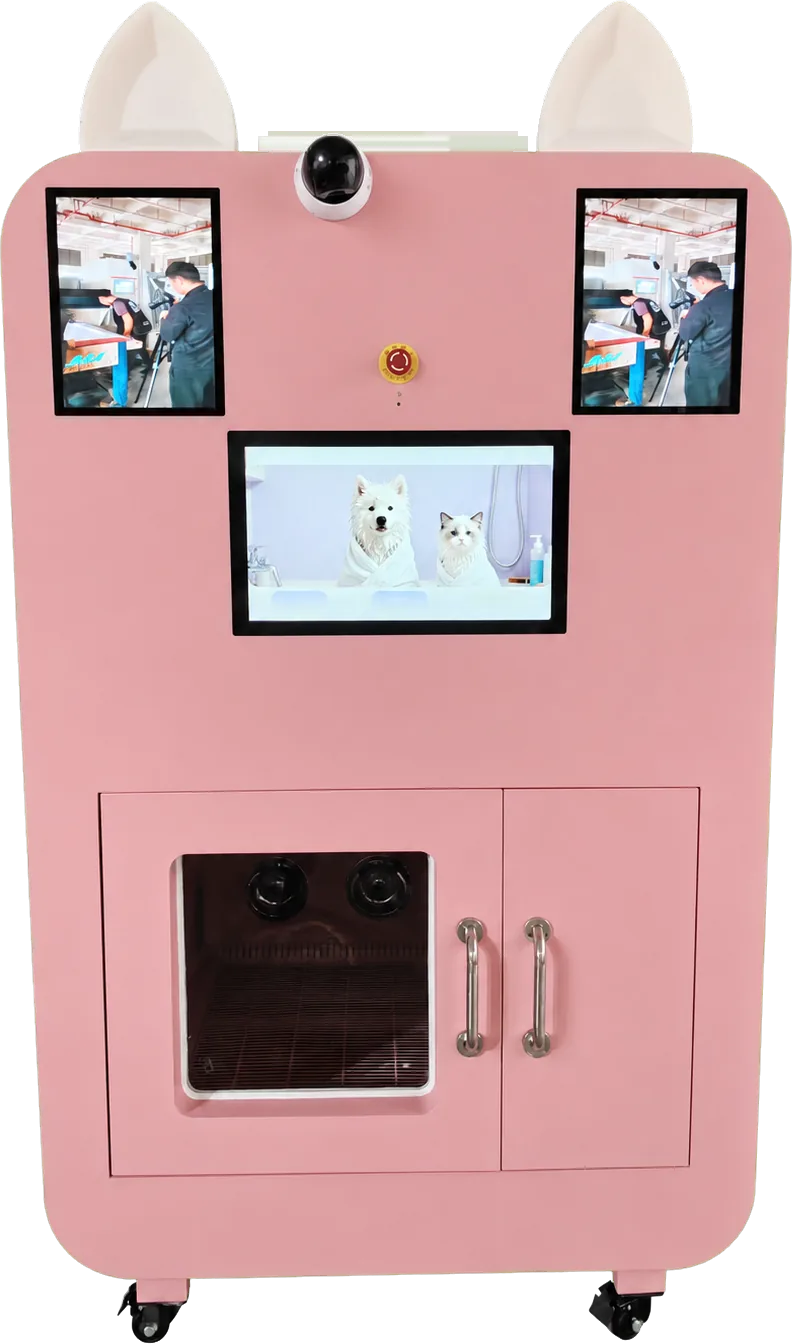
A Pet Wash Station for Your Apartment Community
Your residents already pay pet rent. Give them the amenity they actually use: a self-cleaning pet wash by the dog run or in the garage — instead of fur going down your unit drains. No wet room to build, no staff to schedule.
Just your email — we ask for the rest by reply.
We reply within 24 hours on business days.
Why a Pet Wash Amenity Decides Where Renters Sign
Multifamily data says pets stopped being a policy question. They’re a leasing strategy.
43–63%
of renters own a pet, and the share keeps climbing (PetScreening 2026, RentCafe).
Top 3
pet-friendliness ranks with in-unit laundry and AC as a non-negotiable for Gen Z and millennial renters.
21%
longer stays in communities with pet-inclusive policies. Zillow: 60% of renewing tenants cite the pet policy.
$35/mo
average US pet rent. Residents pay it — a wash station makes it feel worth it.
The figures above come from PetScreening’s 2026 State of Pets in Rental Housing, from RentCafe’s pet-friendly housing statistics, and from Apartment List 2026. Meanwhile the most common pet amenities are still waste stations (45%) and dog parks (35%) — a wash station still makes your property the exception.
Why a Dog & Cat Wash Fits an Apartment Community
That’s the leasing math. Here’s what the machine does for the building itself.
It protects your unit plumbing
Right now, every dog in your building gets bathed in a unit tub — and the fur goes down your drains. Clogged-drain calls and who-pays disputes disappear when the washing happens in a machine that collects hair internally.
Fewer maintenance callsIt makes pet rent feel fair
Your residents pay ~$35 a month in pet rent. A visible, genuinely useful pet amenity turns that fee from a grudge into a perk — and shows up in renewal conversations.
Perceived value for pet feesIt differentiates your listings
Waste stations and dog parks are everywhere now. “On-site pet spa” in a listing photo still stops the scroll — and pet owners tour with their decision half made.
Lease-up advantageZero staff, zero scheduling
No booking sheet, no cleaning rota, no attendant. The machine washes, dries, disinfects itself, and reports its status to your property team’s phone.
Unattended · self-cleaningHow Do Residents Use the Pet Wash Station?
A muddy dog on a Tuesday evening used to mean a wet bathroom and, two weeks later, a slow drain. Here is how that same evening runs with a pet wash downstairs.
What happens in one visit
- The resident walks the dog past the mailboxes and taps a resident code.
- She picks a wash package, loads the dog, and the door seals.
- Warm water holds at 38 °C through shampoo, conditioner, and rinse.
- A quiet blow-dry finishes the coat while she watches through the window.
- About 30 minutes later a dry, fluffy dog trots back to the elevator.
- The empty cabin runs its 4-minute disinfection and collects the fur.
What nobody has to do
- No booking sheet, so residents come when the dog is muddy.
- Nobody on your team touches the wash, the dryer, or the cleanup.
- No wet bathroom upstairs and no unit tub for anyone to scrub.
- No fur heading for your drains, because the machine keeps it inside.
- No slow-drain ticket landing on maintenance two weeks later.
- No wet room to build for any of it.
Resident code → load → 30-minute wash and dry → self-disinfection. The same loop runs for every pet, every evening.
What Does a Pet Wash Amenity Cost — and Return?
Two ways properties run it. Both work; pick the one that matches your strategy — and switch anytime from the backend.
Run it free — the retention play
- Position it as a headline amenity in listings and tours
- Residents in pet-inclusive communities stay 21% longer
- Turnover costs run into the thousands per unit — a handful of saved move-outs pays for the machine
- Makes the ~$35/mo pet rent feel earned, not extracted
- Costs you consumables only — about $1.20–$3.50 per wash
Charge per use — the cost-recovery play
- 200 units × 40% pet households ≈ 80 pets on a 4–6 week bath cycle
- At $8–$10 per wash, that’s $640+ a month at modest usage
- Payments by resident code, card, or QR — no cash handling
- Machine pays itself down while still reading as an amenity
- Start paid, go free later (or the reverse) — one setting
Example figures — your unit count, pet ratio, and fee policy set the real numbers.
Pet Wash Amenity ROI for a 200-Unit Community
Property managers do not buy amenities on revenue. They buy them on renewals and on maintenance calls that stop happening. Here is that math, worked out.
Hair and waste water are collected inside the machine on every cycle. Clogged-drain tickets and who-pays arguments become avoided cost — the kind that never shows on a report, but your maintenance team feels it.
Turnover costs thousands per unit once you count vacancy, paint, and leasing time. Across 80 pet homes, the amenity only has to change a few renewal decisions to pay for itself.
Residents already pay about $35 a month in pet rent. Attaching something they use every 4–6 weeks changes how that fee reads at renewal.
Start free for the lease-up push, add an $8–$10 charge later, or run free for residents and paid for guests. Prices and access live in the free backend, and networked machines report status to your phone.
A worked example — your unit count, pet ratio, and pricing set the real ones. The ranges come from published operator reports. Buying factory-direct removes the trader margin, and your exact price comes with the quote within 24 hours.
Installing a Pet Wash Station at Your Property
The returns work — and unlike a pet spa room, this needs no construction. A corner and three hookups.
The checklist — most properties pass
- 1.2 m² of level surface — garage corner, dog-run edge, courtyard, or parking strip
- Water tee-off from building supply
- Drain nearby — the machine collects hair internally, so no special interceptor
- 220–240 V or 110–120 V power, whichever your country uses
- Wi-Fi or SIM for resident codes and monitoring
- Indoors or outdoors — the weatherproof steel cabinet runs −10 °C to 55 °C uncovered
What we handle
- Dimensioned machine drawings for your property team
- Your community branding on the cabinet
- Resident-access setup — codes, packages, or free mode
- Remote onboarding for your property team
- Lifetime tech support by email and video call
- CE / RoHS documents for your insurer
Pet Wash Safety and Resident Liability
This is the first question every property manager asks, and the right one. An unattended amenity has to protect the pet by itself — and hand you paperwork afterwards.
The cabin watches the pet
Millimeter-wave radar and infrared sensors read vital signs for the whole cycle. If they stop detecting a pet for 30 seconds, the door unlocks on its own.
30-second auto-unlockWater cannot run hot
A PID controller holds bath water at 38 °C ±2 °C. An NTC cutoff kills power if water or air ever passes 42 °C.
42 °C hard cutoffThe owner can stop it instantly
A physical emergency-stop button sits on the panel. The owner stays at the window and watches the whole wash — no pet is ever in there alone.
Physical E-stopSealed, and still breathing
The cabin seals so water and noise stay inside, while fresh air circulates through the cycle. Drying runs at 65 dB or less; rival dryers often pass 100 dB.
≤65 dB dryingYour team hears about faults first
Abnormal events push straight to the operator's phone. You learn about a problem from the machine, not from a resident at the leasing office.
Push alertsDocuments your insurer accepts
Every machine ships with CE (LVD + EMC) and RoHS certificates and full safety specs — the file underwriting and legal ask for, and the same paperwork that clears customs.
CE (LVD + EMC) · RoHSBuilding a Pet Spa Room vs. Installing a Pet Wash Machine
Most multifamily pet spas are tub rooms. Before you brief an architect, here is the same job compared line by line.
| Tub-based pet spa room | Sealed self-cleaning machine | |
|---|---|---|
| Installs without building a room | ✕ waterproofing, ventilation, floor drains | ✓ 1.2 m², no build-out |
| Can live outdoors or in a garage | ✕ needs a built room | ✓ garage, courtyard, or outdoors |
| Cleans and disinfects itself after every pet | ✕ someone must scrub it | ✓ 4-minute auto disinfection |
| Residents can walk up without booking | ✕ booking conflicts at peak | ✓ open any evening |
| Keeps smell out of the corridor | ✕ wet-room smell travels | ✓ sealed cabin |
| Leaves no wet floor to mop | ✕ open tub, floor drains | ✓ no splash, nothing to mop |
| Keeps fur out of your building drains | ✕ fur reaches your drains | ✓ collected inside every cycle |
Both options give residents a place to wash a dog. The difference is what you build first, and what someone has to clean afterward.
What If a Resident Damages or Misuses the Pet Wash?
Every property manager has a story about an amenity room that got wrecked. A sealed machine leaves far less lying around to damage, and access is never anonymous.
Nothing loose to steal or break
There is no open tub, no hose reel, no shampoo shelf, and no towel bin. Everything that runs the wash sits behind a locked steel panel.
Steel cabinet, −10 °C to 55 °CNo cash box to break into
Payment runs through Nayax by card, QR code, or resident code. Nothing inside the machine is worth forcing the door for.
Card · QR · resident codeAccess is a list, not just a lock
You issue codes to pet-owning residents and revoke them the day someone moves out. The same backend sets your packages and your prices.
Codes issued and revoked in the backendIt sits where your lighting already is
Most communities install the machine on a garage level, a mail-room wall, or the edge of the dog run. Those spots already have light and coverage.
Garage · mail room · dog runNeglect kills amenity rooms, not vandalism
The cabin runs a 4-minute disinfection after every pet and keeps hair and waste water inside. Nothing is left dirty for the next resident to photograph.
4-minute clean after every petA failed part starts with a video call
You film the fault, our engineers diagnose it live, and the replacement part ships free with fitting instructions. The whole machine is covered 1 year, with support for life.
1-year warranty · free replacementsNo tub to scrub, no bottles to restock, no cash inside — codes in, alerts out, replacement parts free.
Picking the Right Pet Wash Machine for Your Property
Whichever route you were considering, here is which machine fits which property type.
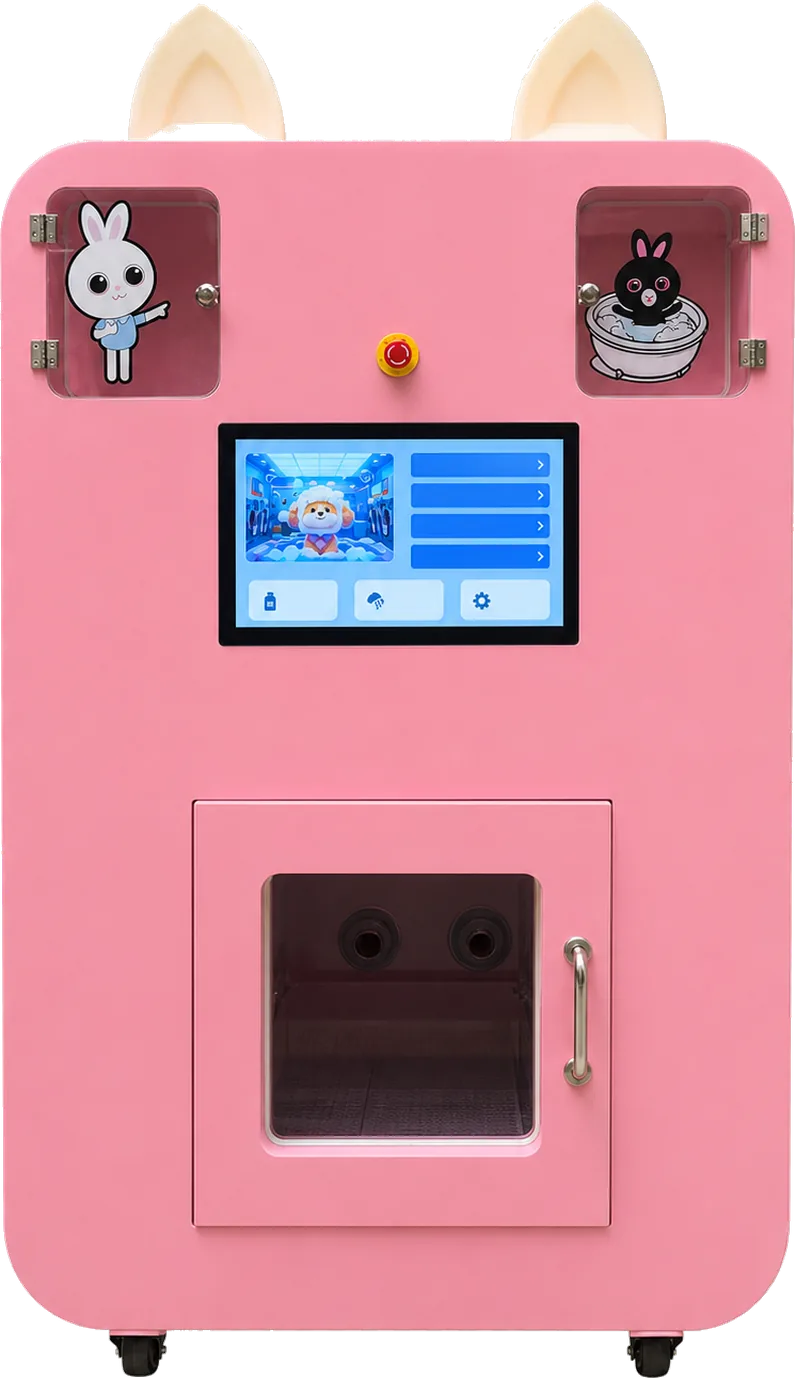
PetWash Pro
Indoor or outdoorWeatherproof steel cabinet, −10 °C to 55 °C — dog run, parking level, or lobby corner. Resident codes or per-use payment.
See the Pro →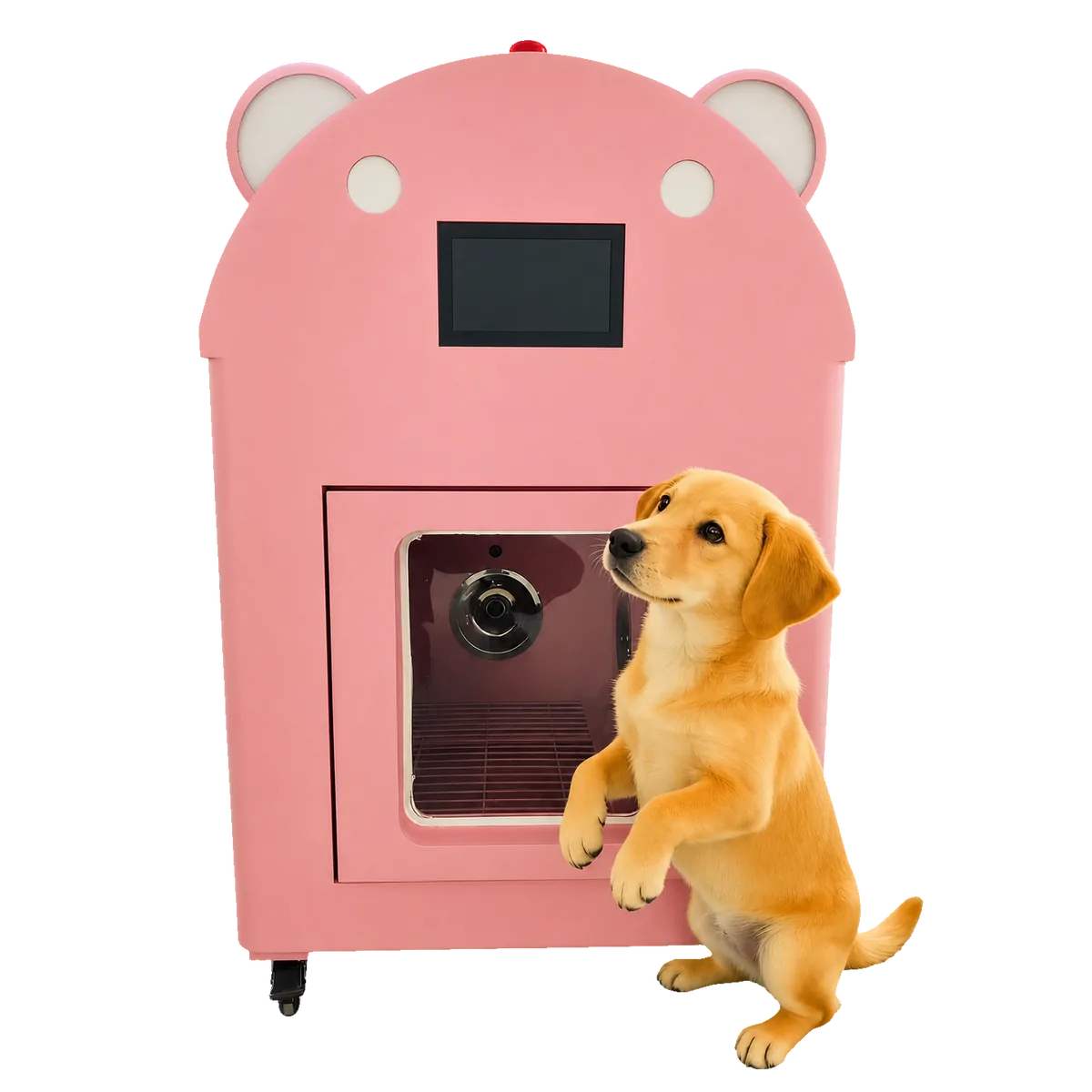
PetWash Mini
Indoor0.6 m² and a normal wall socket — an amenity room fits it without a build-out.
See the Mini →PetWash Max
Indoor or outdoorThe steel cabinet handles weather and cold, so the Max can sit on a garage level without a room built around it. It's the flagship, and the only one where a full automatic cycle and a hands-on bay share the same machine. Behind the second door sit a constant-temperature water gun and dryer, useful when a resident only wants muddy paws rinsed. Pets up to 70 kg.
See the Max →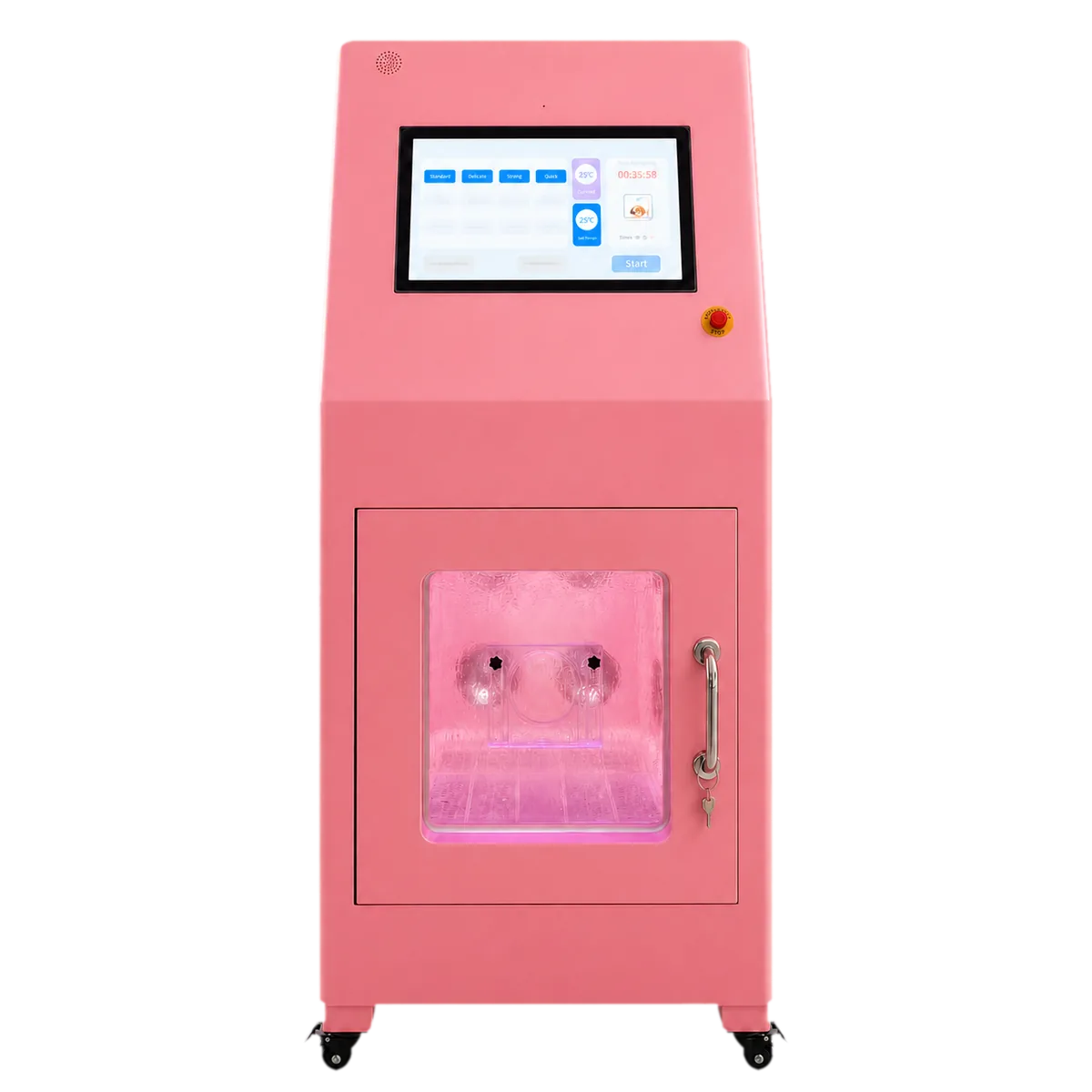
PetWash Store
Indoor78 cm wide. It fits the mail room or a corner of the gym, and it is fully automatic, so nobody has to staff it.
See the Store →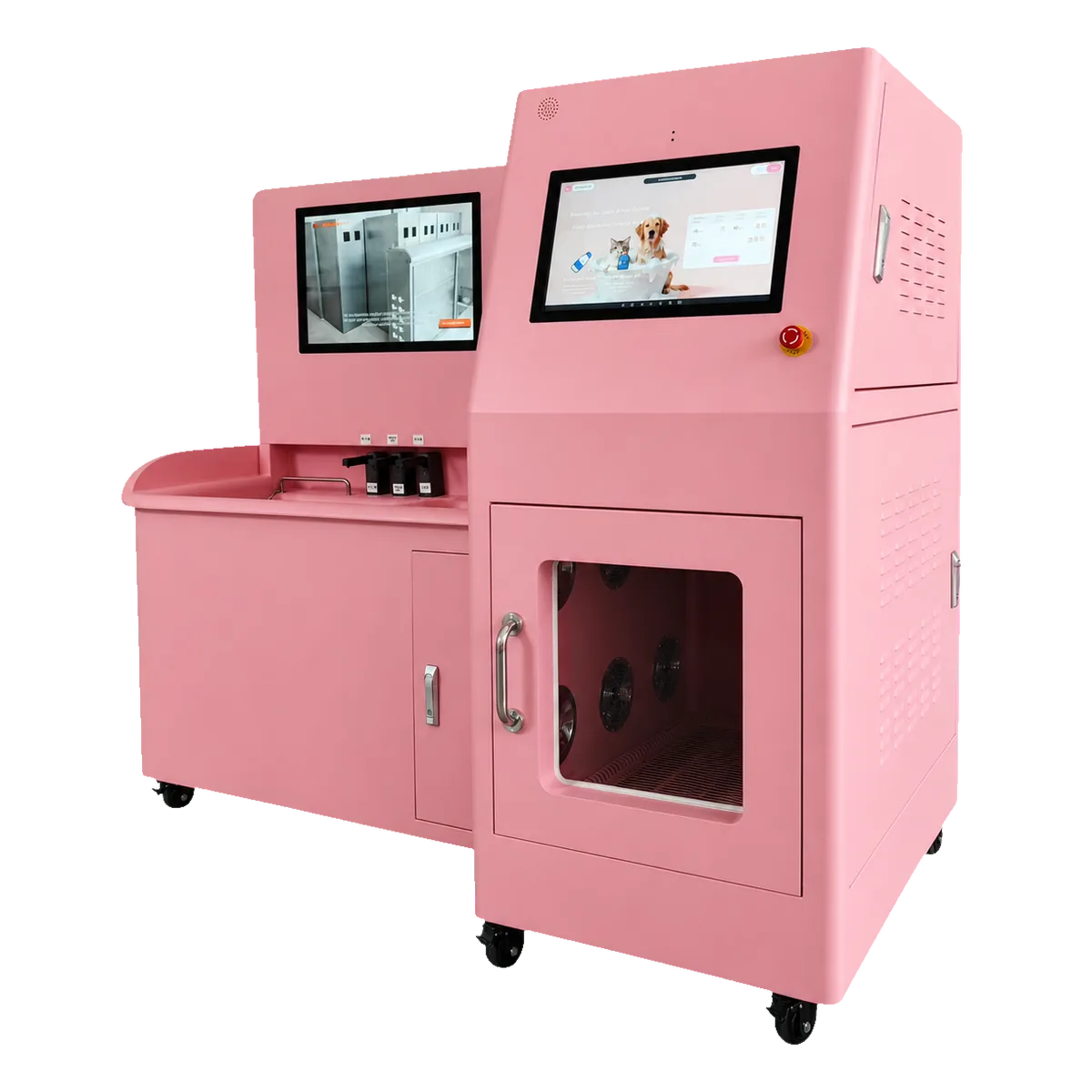
PetWash Tub
Indoor or outdoorOnly for buildings that staff the amenity. The open bath plus drying cabinet lets one person wash and dry two dogs at once through a busy evening.
See the Tub →Certified for Export: CE, LVD, EMC & RoHS
You don’t have to worry about compliance. Every machine already meets CE, LVD, EMC, and RoHS standards, and we hand you the documents you need for customs, insurance, or your property manager.
CE certified
CE is the EU’s official conformity mark, and we include the certificates with your order for customs, insurers, and property managers.
LVD tested
LVD stands for the EU Low Voltage Directive, the electrical safety test that CE certification is built on. Tested to IEC 60335-2-75 with IEC 60335-1 — the standard written for commercial dispensing appliances.
EMC tested
It means the machine won’t cause electromagnetic interference with payment terminals or nearby equipment.
RoHS compliant
RoHS compliant means the machine is free of restricted hazardous substances, so it’s safe to import and operate. Assessed to EN IEC 63000:2018.
Where Else a Pet Wash Station Earns
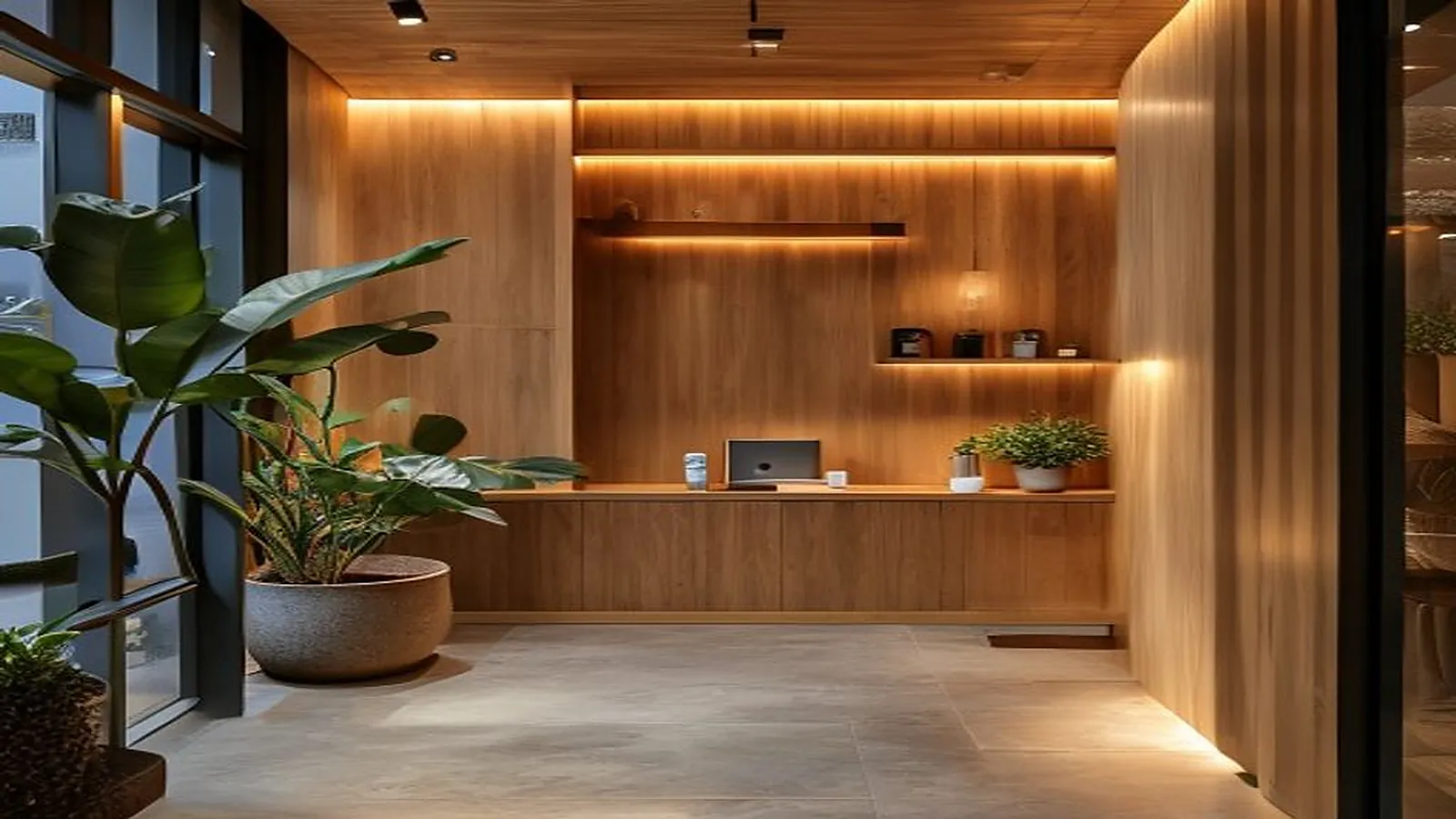
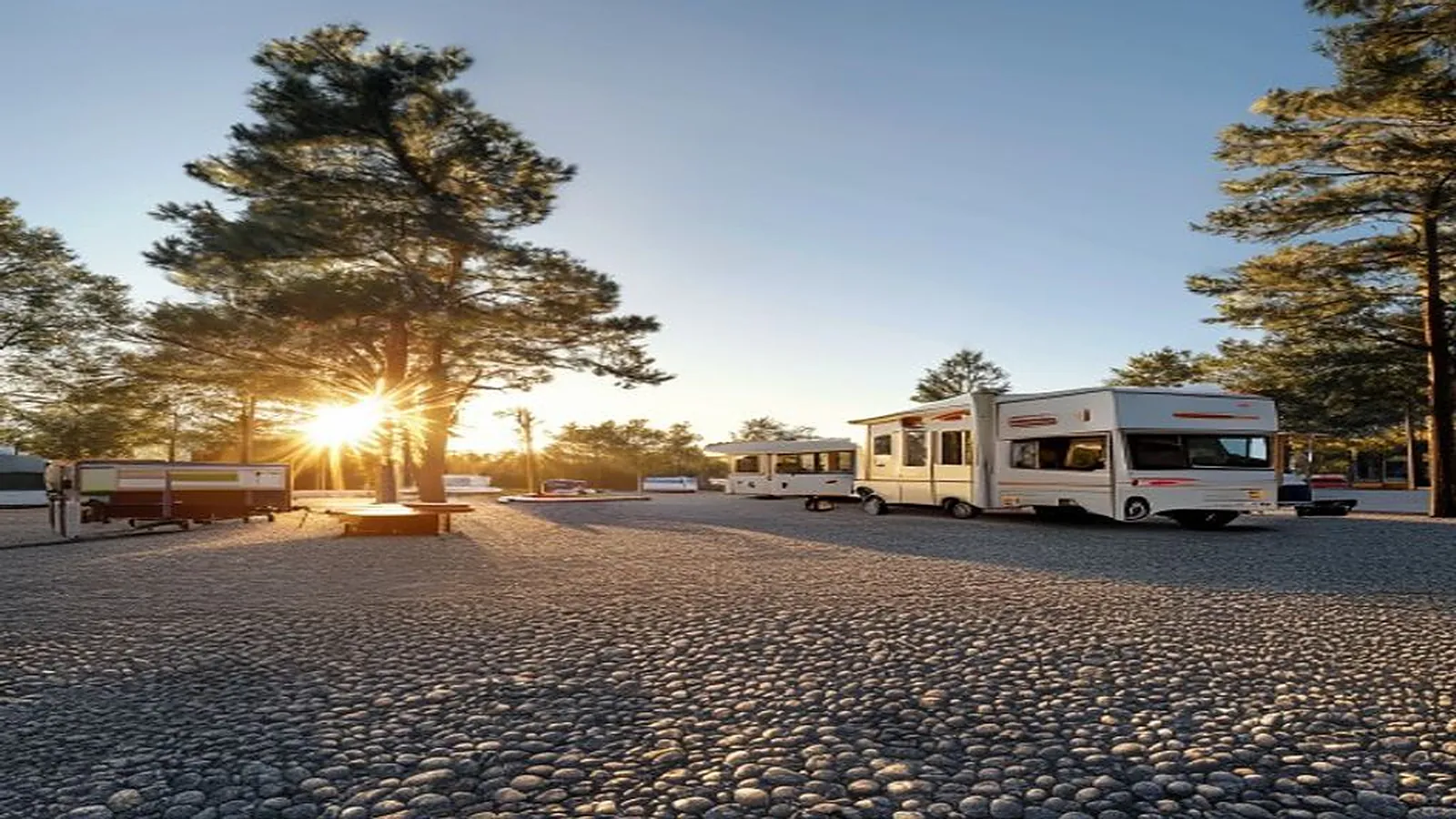
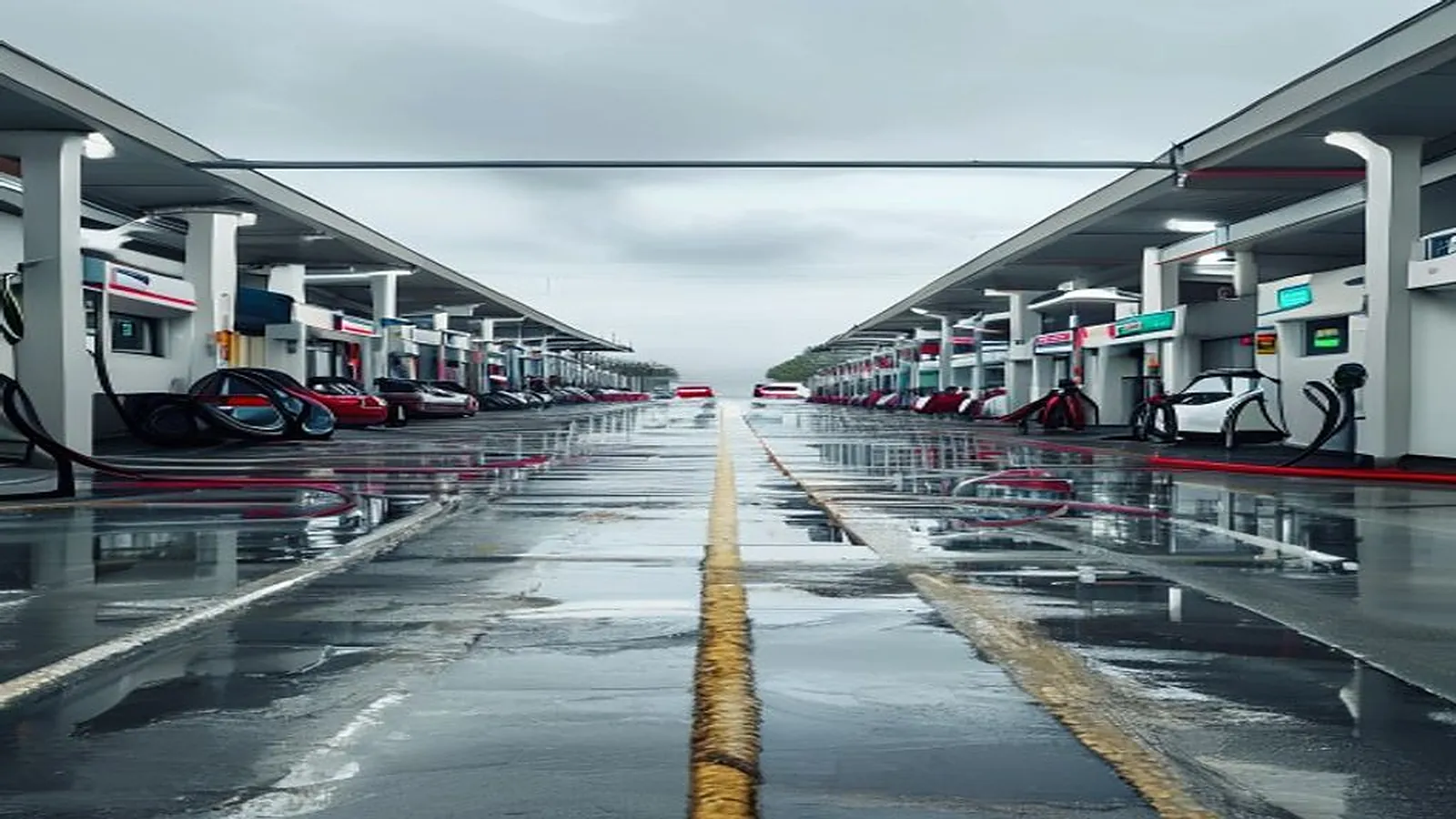
Give Your Residents the Pet Amenity They’ll Renew For
Two things get us started: your country and how many machines. A recommendation and factory-direct pricing follow within 24 hours, along with the certificates your insurer will want.
- Factory-direct price, no middleman
- Free-amenity or per-use setup — your policy, your backend
- Community branding on the cabinet
- Honest advice — including “that spot won’t work”
No spam. Your details are used only to prepare your quote.
Pet Wash for Apartments — FAQ
What property managers ask before adding a dog wash to an apartment community.
Should residents pay per wash, or is it free?
Both models run daily on our machines. Many communities launch free — it’s a marketing amenity and a renewal lever. Others set $8–$10 per wash to cover consumables. You control pricing from the backend and can change the policy anytime.
How do we keep non-residents from using the pet wash station?
The backend supports member accounts: issue access codes to residents only, revoke them at move-out. Or run it open with per-use payment — then outside users just add revenue.
Who cleans and maintains an apartment pet wash station?
The machine disinfects itself after every pet (ozone, infrared, UV-C — 4 minutes) and collects hair and waste water internally. Your team restocks shampoo occasionally and empties the collection bin on normal rounds. No daily cleaning rota.
Is a pet wash machine too noisy near apartment units?
The cabin is sealed and the dryer runs at 65 dB or less — about a normal conversation. Most properties place it in the garage, by the dog run, or outdoors, where noise is a non-issue.
What does our insurer need to know about a pet wash amenity?
The machine watches pets with radar and infrared sensors, unlocks automatically after 30 seconds without vital signs, caps water at 42 °C, and has a physical stop button. Owners stay at the window — the same supervision model as any self-serve amenity. Your carrier will ask for paperwork, and every machine comes with it: CE (LVD + EMC) plus RoHS. File it with the policy documents when you add the amenity.
Do we need to build a room for the pet wash machine?
No — that’s the point. It needs 1.2 m², water, a drain, and power. The PetWash Pro’s weatherproof steel cabinet stands uncovered in the dog run or parking area. No waterproofing, no ventilation build-out.
Can big dogs use it? And cats?
Dogs and cats up to 70 kg (154 lbs) in the full-size models. Cats cope better than most residents expect. What frightens a cat in a normal bath is the noise, and a hand-held force dryer runs past 100 dB — ours stays at 65 dB or below. The cabin is sealed and quiet, the water holds at 38 °C, and nobody holds the cat down. We also skip perfume and essential-oil sprays, because they harm cats, and the gentle shampoo still leaves a light fresh scent. If a resident wants proof first, ask us for the footage of a Ragdoll going through a full cycle without a fuss.
What does an apartment pet wash station cost and how long to get one?
Build time is about 25 business days, then sea freight or a courier. Send the country and the quantity, and a quote follows within 24 hours.
What power, water, and floor load does a pet wash retrofit need?
220–240 V or 110–120 V, whichever your country uses. The full-size PetWash Max draws 4,300 W; the Mini runs from a normal wall socket at 1,870 W. Incoming water pressure should be 0.1–0.5 MPa. Each wash uses 2–2.5 kWh and 0.09–0.11 m³ of water. Weight matters for a garage or podium retrofit: the Max is 366 kg and the Pro 350 kg on a 1190 × 1000 mm footprint, the Mini only 81 kg. Full spec sheets go out before you commit anything.
Does a pet wash station need a permit or a wastewater interceptor?
Usually no special interceptor. Hair and waste water are collected inside the machine every cycle, so the fur never reaches your building stack — clogged drains are the number-one reported failure at tub-based pet spas. Local rules vary, so we supply the specification and certificate documents your plumber or permitting office needs.
Will residents really use a pet wash amenity, or is it another empty one?
71.6% of US households own a pet — about 95 million homes (APPA), and 53% own a dog. Dogs need a bath every 4–6 weeks (AKC), and the average US professional groom runs about $60. Your pet-owning residents are already paying for baths somewhere. A 30-minute wash and dry downstairs is the version they actually use.
Can one machine serve a 200-unit community?
For most communities, yes. A wash and dry takes about 30 minutes for a small dog, and demand spreads across evenings and weekends. In a 200-unit community with roughly 80 pet homes on a 4–6 week bath cycle, that is around 70 baths a month spread across a full month of evenings. For larger or heavily dog-owning communities, the PetWash Max adds double doors and an external dryer to keep the queue moving.