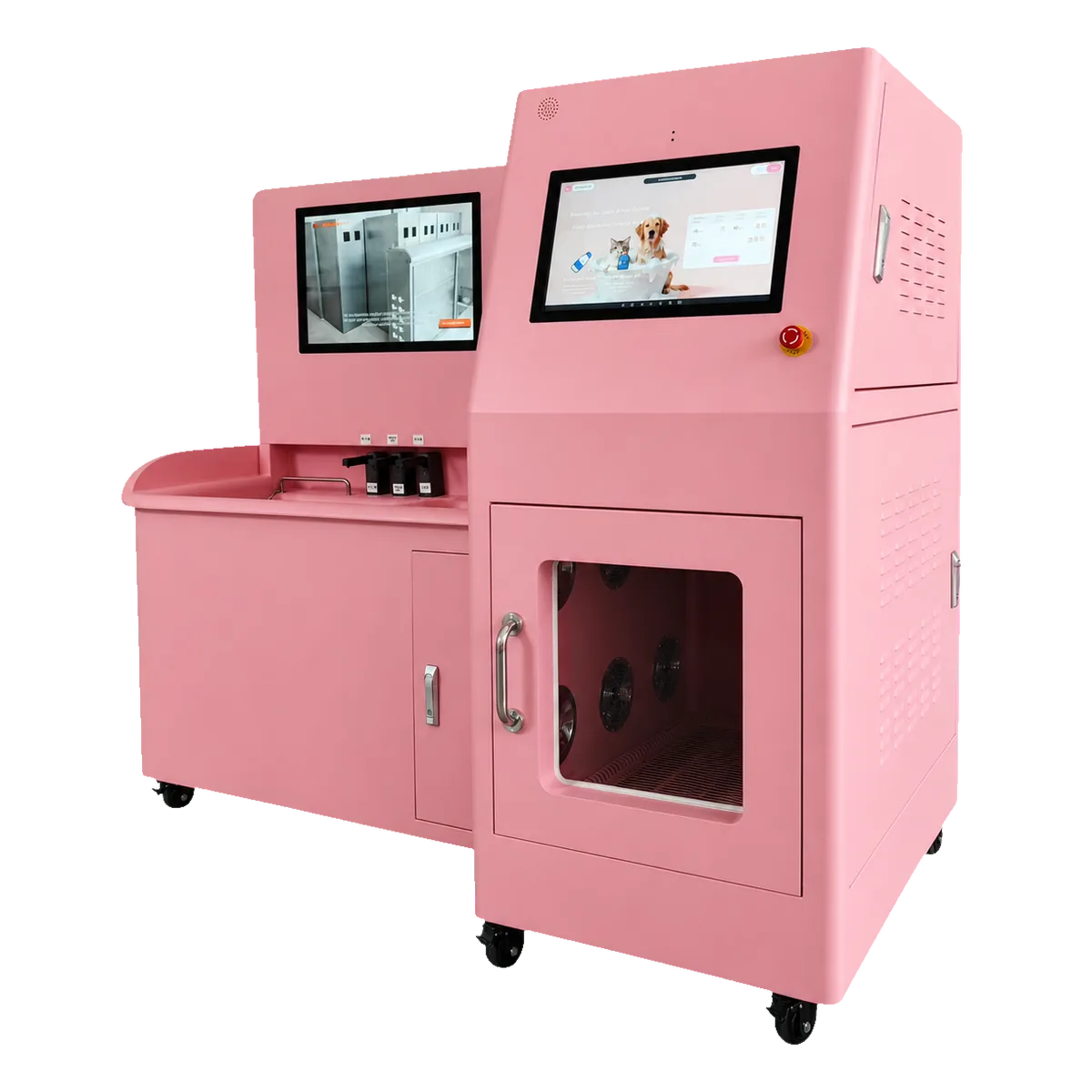
A Pet Wash Machine for Your Kennel — Every Boarder Goes Home Clean
The exit bath is boarding’s best add-on: owners expect it, facilities charge $50–60 for it, and your staff spend an hour delivering it. Keep the charge. Give the hour to a pet wash machine.
Just your email — we ask for the rest by reply.
We reply within 24 hours on business days.
Why Exit-Bath Demand Keeps Growing at Boarding Kennels
Your owners are not asking for a bath because you offer one. They are asking because of these numbers.
Market figures from published industry sources, not our claims. What you charge for an exit bath stays yours to set.
The Exit-Bath Math for a Boarding Kennel
You already sell the exit bath at $50–60. The only question is what it costs you to deliver it on a checkout morning.
| Staff-delivered bath | PetWash cabin | |
|---|---|---|
| About 5 staff minutes per bath | ✕ 45–60 minutes per dog | ✓ load and unload only |
| Bath runs unattended once loaded | ✕ hands-on start to finish | ✓ 30-minute automatic cycle |
| Checkout baths run back to back | ✕ owners wait in line | ✓ after 4-minute self-clean |
| Animal-care staff stay with the animals | ✕ hours spent drying fur | ✓ machine washes and dries |
| Drying stays quiet in the runs | ✕ force dryers pass 100 dB | ✓ 65 dB or under |
| No wet room to clean afterward | ✕ staff scrub it after | ✓ self-cleans, hair collected inside |
| You keep the same $50–60 price | ✓ what you charge today | ✓ same charge, less labor |
Both columns bill the same exit bath. What changes is who spends the morning delivering it.
What Exit Baths Earn — A Kennel Pet Wash ROI Table
Ten exit baths a week is a quiet checkout schedule for most kennels. Here is what those ten look like on both sides of the ledger. Copy the rows and drop in your own counts.
A rain day in the play yard used to cost you towels and an apology text. Sold as a bath, each one is revenue you were not counting on.
Daycare parents buy the same bath with no boarding stay attached. Ask at drop-off, deliver by pickup.
You set the on-screen packages and prices by pet size, coat and time. A short dry-only option sells to the owner who just wants the dog not damp.
The PetWash Tub adds soak programs — for example 60 minutes for a large dog, 30 for a small one. A matted or mud-caked long-stay boarder becomes a priced job instead of an hour of scrubbing.
Checkouts stack on one morning. Two machines turn a queue into a schedule.
We are the factory, so there is no trader margin in the price. Tell us your country and how many machines you need, and exact pricing comes with your quote within 24 hours.
Beyond Checkout Day — Where a Kennel Pet Wash Earns All Week
Exit baths anchor it. These fill the rest of the calendar.
Mid-stay mud recovery
Play-yard rain days used to mean towels and apology texts. Now a muddy boarder is clean in 30 minutes — photo-ready for the daily update you send owners.
Happier report cardsIntake hygiene
Bathe on arrival for dogs that need it, with a disinfected cabin for each — a biosecurity step your written protocols can cite.
Documented cyclesDaycare add-on sales
“Bath before pickup?” is a one-line upsell at drop-off. Daycare parents say yes at the end of a muddy week.
Front-desk upsellReviews you can smell
The dog that comes home clean and fluffy is the review that mentions it. The one that comes home smelling of kennel is also the review that mentions it.
Reputation insuranceKennel Cough Control: A Shared Tub vs. a Self-Disinfecting Pet Wash Cabin
Boarding spreads whatever one dog carries through the door. The bath step either stops that or speeds it up — here is the difference, criterion by criterion.
| A shared wet-room tub | The sealed PetWash cabin | |
|---|---|---|
| Disinfects itself after every single dog | ✕ hand-scrubbed, skipped when busy | ✓ 4 minutes, 99.9% of germs |
| Keeps hair out of your floor drain | ✕ clogs are the top failure | ✓ hair collected inside every cycle |
| No shared wet surface between boarders | ✕ one tub for every dog | ✓ sealed cabin, fresh air inside |
| Same shampoo dose on every wash | ✕ whoever holds the bottle | ✓ fixed in the 7-step program |
| No damp shared towels between dogs | ✕ wet floors, shared towels | ✓ dried inside the cabin |
| Dogs leave smelling clean, not like kennel | ✕ odor owners notice at pickup | ✓ gentle shampoo, light fresh scent |
| A hygiene step your biosecurity protocol can cite | ✕ nothing recorded, nothing provable | ✓ every cycle runs the same |
No perfume or essential-oil sprays anywhere in the cycle — they harm a cat's liver and kidneys. The gentle animal-friendly shampoo is what leaves the light scent.
Pet Wash Safety for Boarders — Life Detection and Quiet Drying
You are washing someone else's dog. Here is what the cabin watches, caps, and reports while a cycle runs.
Life detection runs the whole cycle
Millimeter-wave radar and infrared sensors watch inside the cabin from start to finish. If the signal drops for 30 seconds, the doors unlock on their own.
30-second auto-unlockA physical emergency stop on the panel
Your handler does not need a menu or a password to intervene. One press on the panel button ends the cycle.
One pressHeat is capped in the hardware
Water is held at 38 °C, plus or minus 2, under PID control. An NTC cutoff kills power if the water or the air passes 42 °C.
42 °C cutoffSealed cabin, fresh air, clear view
The cabin is sealed between boarders but circulates fresh air the whole time. Your handler, or the owner, can watch the cycle through the window.
Watched through the windowQuiet drying keeps the runs calm
One loud dryer sets off every dog in the building, and then checkout is forty dogs barking. Drying here stays at or under 65 dB, where rival machines often run past 100.
65 dB or underAbnormal events reach your phone
The machine pushes an alert to the operator's phone when something goes wrong. You hear about it first, and our engineers diagnose the fault on a live video call.
Push alert, then video callSoftware updates install remotely, so the machine you buy this year keeps improving without a service visit.
What Your Kennel Needs to Install a Pet Wash Station
Most boarding facilities already have the utilities. Check the room before you check the price.
What the room needs
- Power: 220–240 V or 110–120 V, whichever your country uses. PetWash Max draws 4300 W; PetWash Tub 3200 W daily and 4000 W in a bath cycle; PetWash Mini runs on a normal wall socket at 1870 W
- Water: supply pressure 0.1–0.5 MPa. The machine heats it in-cabin to 38 °C ±2 °C, PID-controlled
- Drain: hair and waste water are collected inside the machine every cycle — no floor-drain rebuild, and we supply spec documents for permitting
- Floor space: PetWash Max 1190×1000×1950 mm, 366 kg · PetWash Pro 1190×1000×1900 mm, 350 kg · PetWash Tub 1960×630×1800 mm, 254 kg · PetWash Store only 780 mm wide × 1200 deep × 1800 high, 298 kg
- Placement: −10 °C to 55 °C operating range. The weatherproof steel cabinet also runs yard-side in the open air
What arrives with the machine
- CE (LVD + EMC) and RoHS certificates, supplied with the order for customs, your insurer, and your landlord or property manager
- Nayax payments payment on every washer, if you want owners paying at the machine instead of at the desk
- Standalone or networked — networked includes the free 12-function backend, with a chain view if you run more than one site
- On-screen packages you control — wash+dry or dry-only, priced by pet size, coat and time tier; the Tub adds soak
- Lead time within 25 business days, shipped by sea or by FedEx, DHL or UPS, with OEM color, logo, panel and screen language available
We hold CE (LVD + EMC) and RoHS. Ask for the certificate pack with your quote.
Picking the Right Pet Wash Machine for Your Kennel
Volume decides it.
PetWash Tub
Indoor or outdoorStaff wash one dog while another dries in the cabinet, and soak programs handle the deep-clean cases — checkout-day throughput.
See the Tub →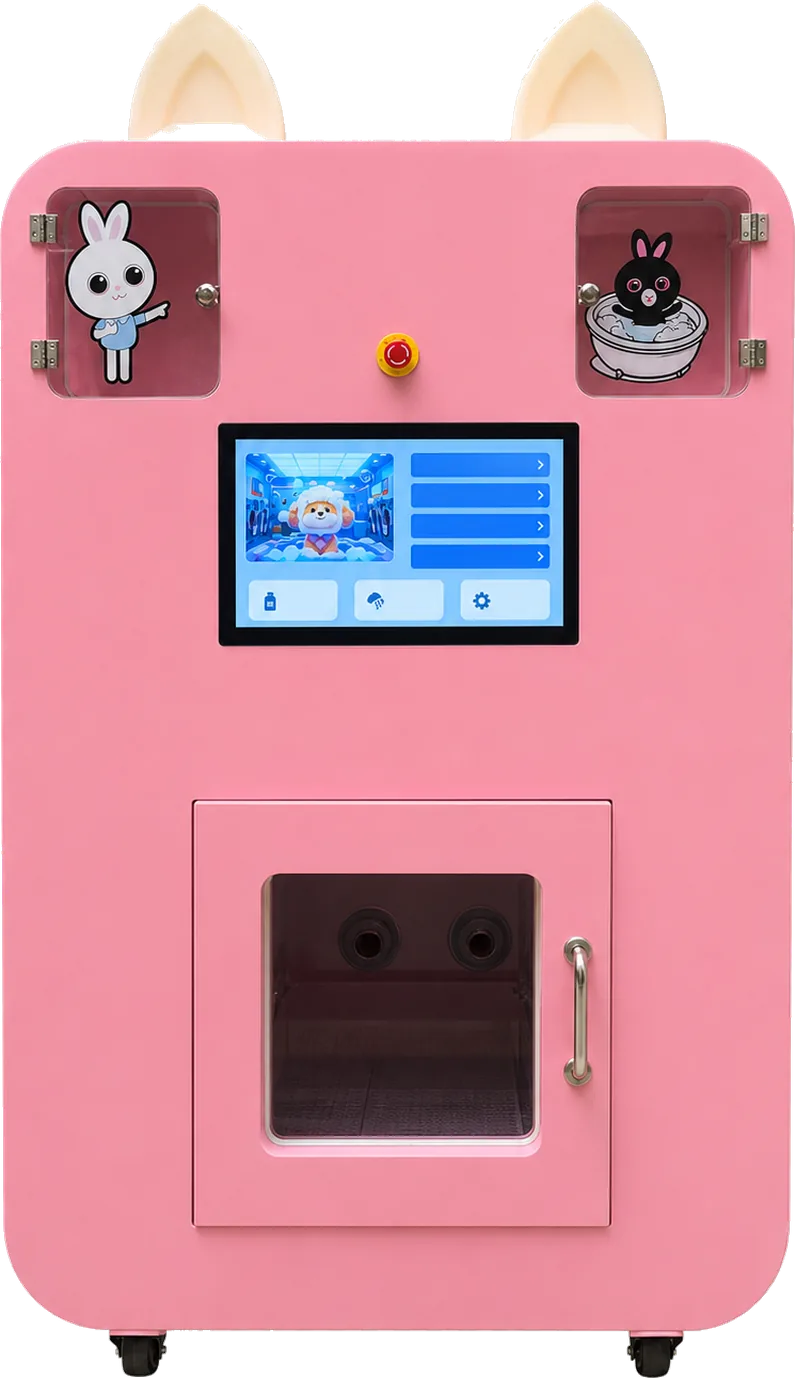
PetWash Pro
Indoor or outdoorFully automatic 7-step cycle — load, press, collect a clean dog. The weatherproof steel cabinet also works yard-side, −10 °C to 55 °C.
See the Pro →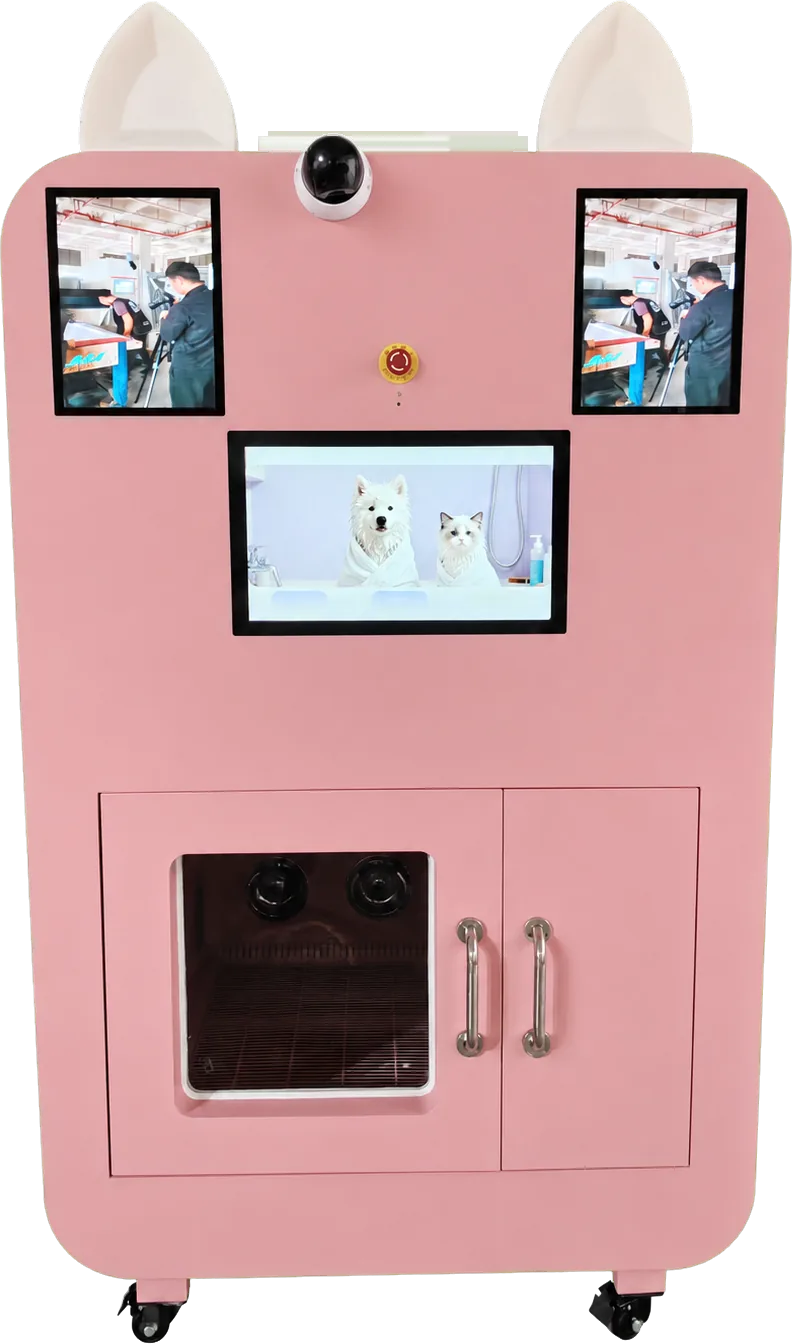
PetWash Max
Indoor or outdoorOn a checkout morning, most boarders need the standard bath and one needs a person. The Max, our flagship, is the only model that covers both. Its automatic side handles the routine dogs unattended, and the second door opens a manual bay holding a constant-temperature water gun and dryer. Either side takes 70 kg.
See the Max →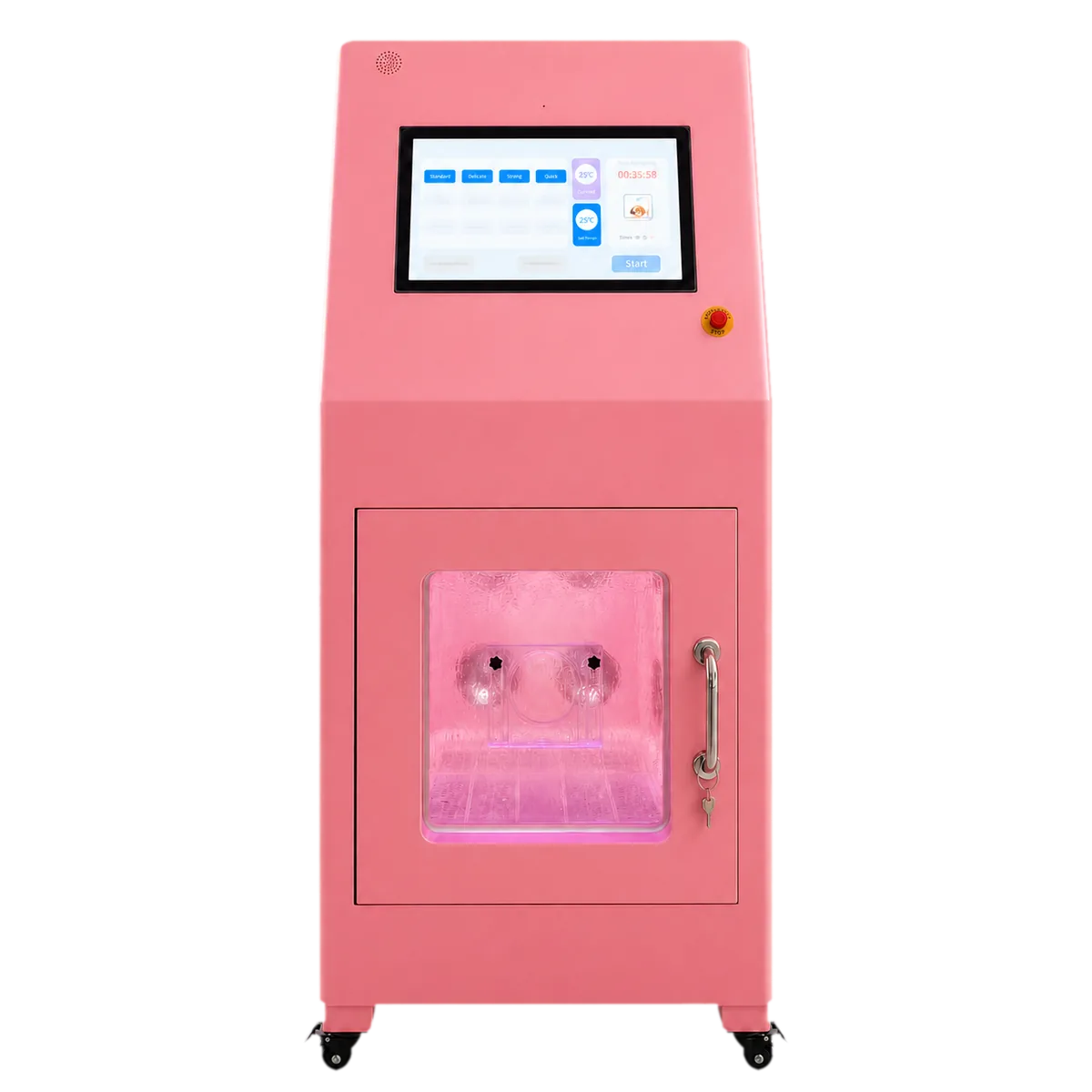
PetWash Store
IndoorOnly 78 cm wide, so it fits a corridor between runs without rebuilding anything. Full automatic to 70 kg, running the same seven-step wash as the flagship.
See the Store →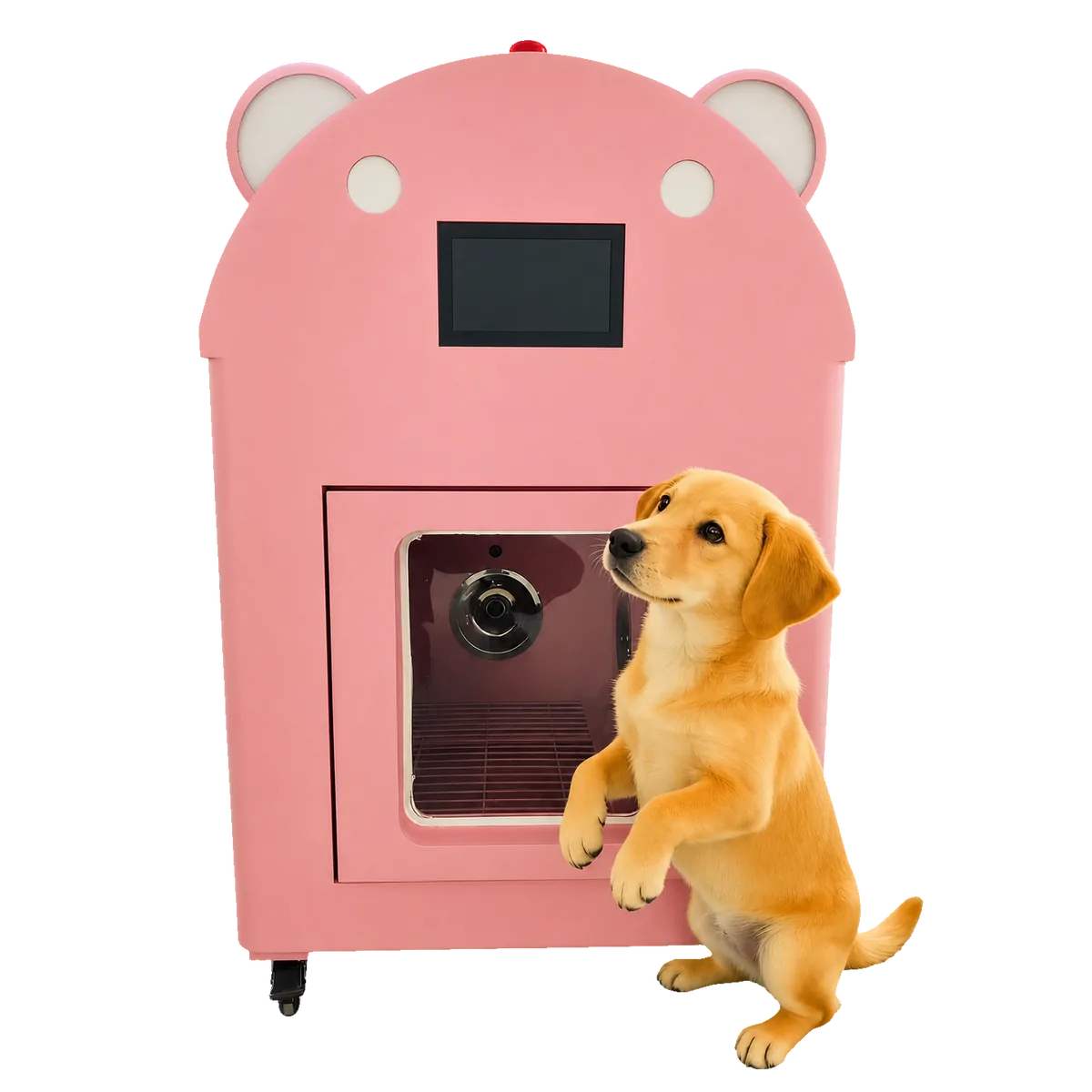
PetWash Mini
Indoor81 kg on casters and a normal wall socket, so it rolls to the cat block. Boarders up to 15 kg, with 40-minute long-coat and 30-minute short-coat programs.
See the Mini →Certified for Export: CE, LVD, EMC & RoHS
You don’t have to worry about compliance. Every machine already meets CE, LVD, EMC, and RoHS standards, and we hand you the documents you need for customs, insurance, or your property manager.
CE certified
CE is the EU’s official conformity mark, and we include the certificates with your order for customs, insurers, and property managers.
LVD tested
LVD stands for the EU Low Voltage Directive, the electrical safety test that CE certification is built on. Tested to IEC 60335-2-75 with IEC 60335-1 — the standard written for commercial dispensing appliances.
EMC tested
It means the machine won’t cause electromagnetic interference with payment terminals or nearby equipment.
RoHS compliant
RoHS compliant means the machine is free of restricted hazardous substances, so it’s safe to import and operate. Assessed to EN IEC 63000:2018.
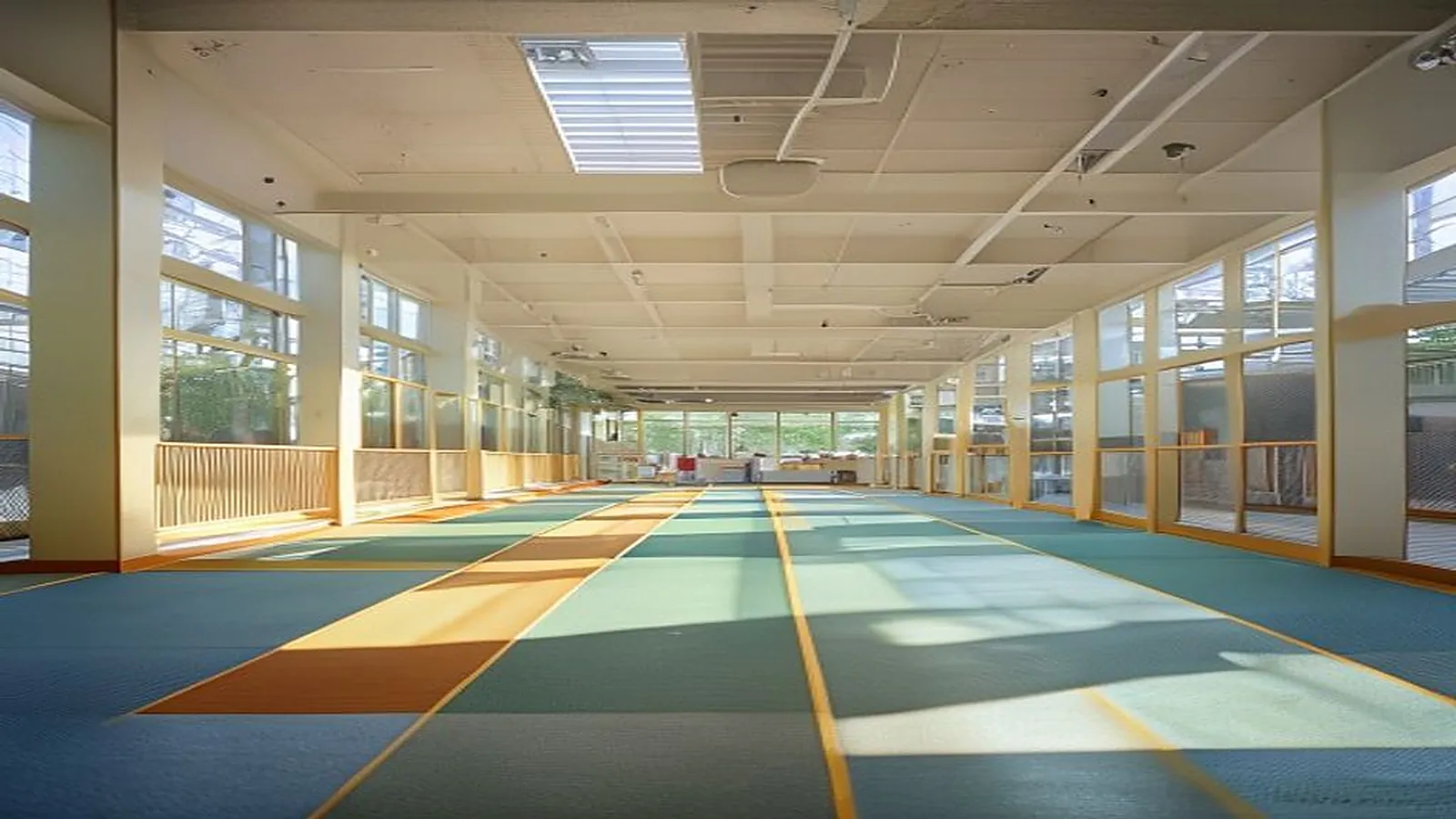
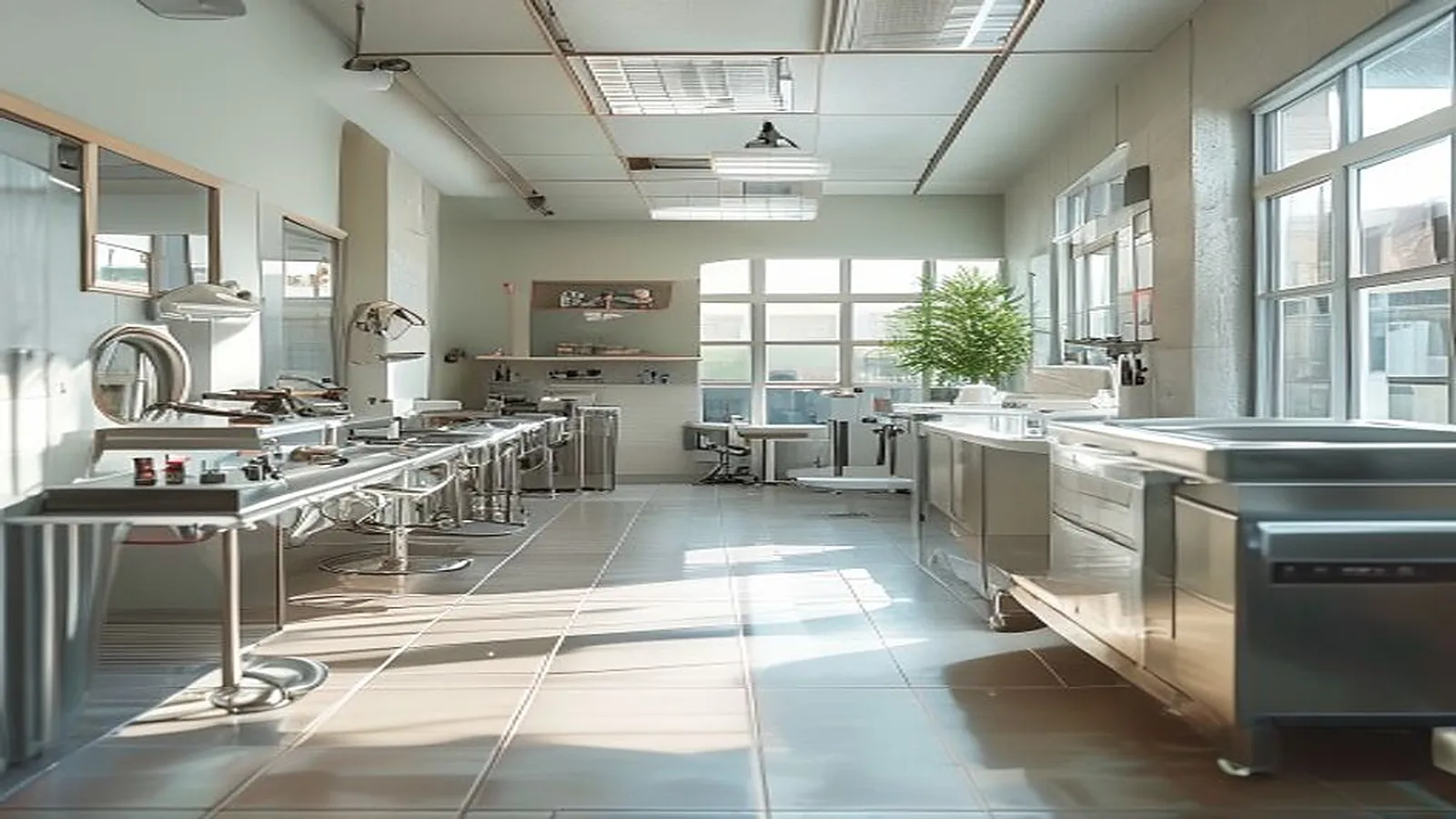
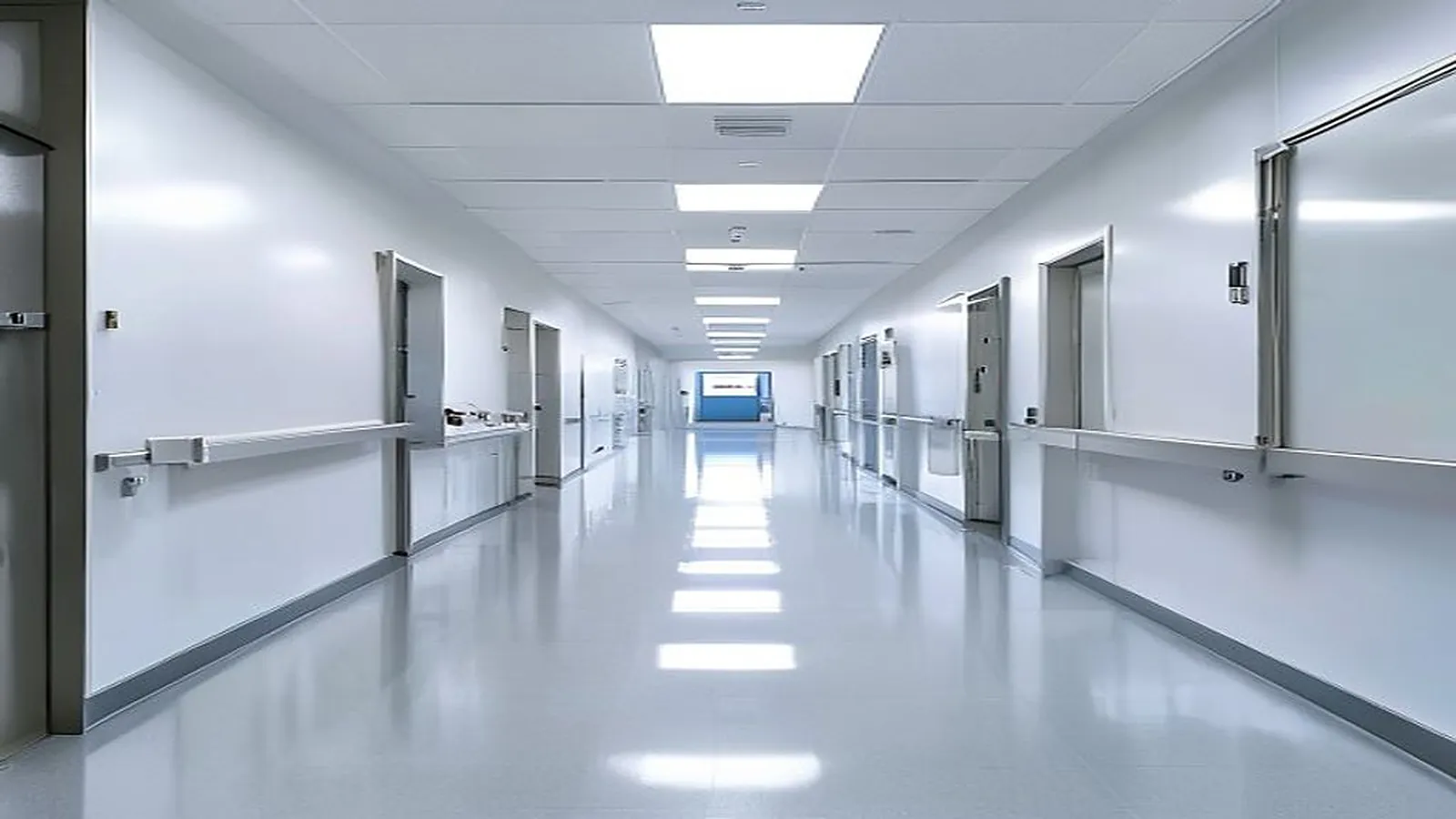
Where Else a Pet Wash Station Works

Turn Your Kennel’s Exit Baths Into Machine Margin
Country and quantity start it. A recommendation and a price arrive within 24 hours, with an honest view on whether one machine covers your checkout mornings or you need two.
- Factory-direct price, no middleman
- Tub for rush mornings, automatic for steady flow
- Documented disinfection for your protocols
- Honest advice on volume — one machine or two
No spam. Your details are used only to prepare your quote.
Pet Wash for Kennels & Boarding — FAQ
What facility owners ask before adding pet boarding bathing equipment.
How fast does an exit bath pay back?
Boarding facilities commonly charge $50–60 for a long-hair exit bath, and add-ons already make up 20–40% of a week-long bill. The machine turns each bath from a staff hour into a 30-minute unattended cycle — the margin becomes nearly all yours. Ten exit baths a week at $50 each is about $26,000 a year in machine-delivered revenue.
Can the machine handle back-to-back washes on checkout day?
Yes — that’s the design. Each cycle ends with a 4-minute self-disinfection, then the next dog loads. With the Tub, one dog dries in the cabinet while staff wash the next in the tub.
Does it help with kennel cough and disease control?
The cabin is sealed and disinfects with ozone, infrared, and UV-C after every dog — no shared tub surface between boarders. Hair and waste water are collected internally. It’s a documented hygiene step you can show worried owners.
What does a muddy play-yard dog need?
The 7-step cycle runs pre-rinse, shower gel, rinse, shampoo, rinse, conditioner, and a final rinse — then quiet drying. For heavy mud, staff can pre-rinse in the Tub's open basin, then let the dry cabinet finish while they move on.
What is the lead time on a pet wash machine order?
Twenty-five business days in production, then sea or courier. Kennels tend to install between busy seasons, when a checkout morning can spare the space.
What does a pet wash machine cost for a boarding kennel?
A checkout week can put dozens of dogs through one cabin, and that repetition is where cheap builds come apart. The motor, pump and door seals go first. We specify those parts for kennel duty rather than light domestic use. Pricing follows within 24 hours once you name the country and the quantity.
How many staff hours does a pet wash machine really save?
A staff-delivered exit bath runs 45–60 minutes once you count drying and cleaning the wet room afterward. The machine version costs about 5 minutes of staff time — load and unload — around a 30-minute cycle. At ten exit baths a week, that is roughly 350–475 staff hours a year handed back to animal care, off 390–520 hours spent today.
What are the soak packages on the PetWash Tub for?
Mud, matting, and the long-stay dogs a standard cycle will not shift. The Tub is our only self-serve open tub, an open tub plus a separate dry cabinet. It runs soak programs you set on screen, for example 60 minutes for a large dog and 30 for a small one. Staff soak one dog while another dries in the cabinet, which is why it suits heavy checkout mornings.
Is it safe to leave a boarder inside the wash cabin unattended?
Millimeter-wave radar and infrared life detection run for the whole cycle, and the doors auto-unlock after 30 seconds with no signal. An NTC cutoff kills power if water or air passes 42 °C, there is a physical emergency-stop button on the panel, and abnormal events push an alert to your phone. Drying stays at or under 65 dB, so the rest of the kennel stays calm while it runs. Bathing is written into your boarding agreement, so the paperwork counts. With all of it live, calling an owner about an injury isn't a realistic worry.
What happens if the pet wash machine breaks and you are on the other side of the world?
A stall on checkout morning hurts most — owners at the desk, dogs already booked out. Get us on video: our own engineers read the fault live and send the replacement free. Software faults we clear from our end. They built the machine and we run wash stores, so the symptom is rarely new.
Do we need a wastewater permit for a pet wash machine?
Hair and waste water are collected inside the machine every cycle rather than flushed into your drains, which is usually what triggers the questions in the first place. We supply the spec documents with your order, along with the CE (LVD + EMC) and RoHS certificates, so your permitting office, insurer or landlord has the paperwork they ask for.