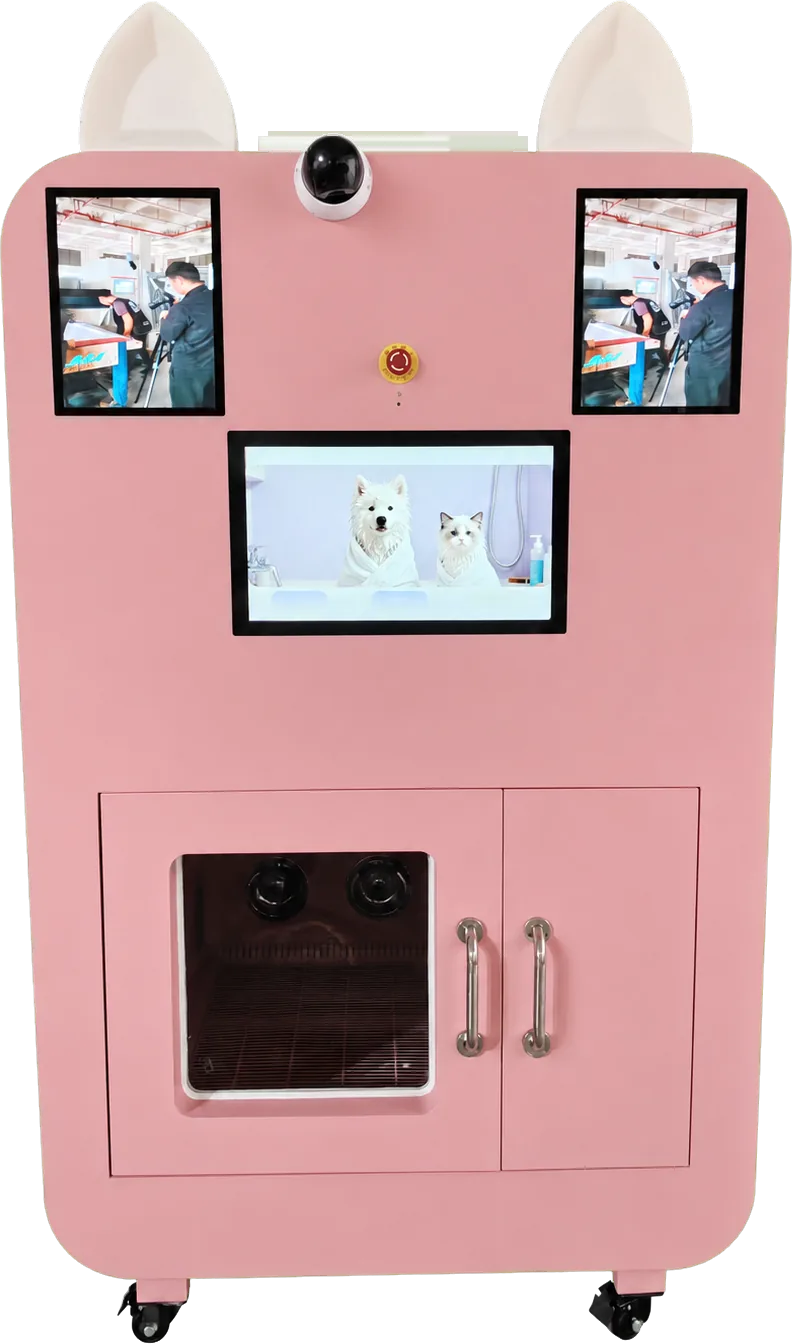
Pet Wash Station for Animal Shelters — Every Intake Deserves a Bath
Shelters run on too few people and too many arrivals. A pet wash machine gives every animal a warm bath, a quiet blow-dry, and a disinfected cabin — without spending the volunteer hours you don’t have.
Just your email — we ask for the rest by reply.
We reply within 24 hours on business days.
What Intake Baths Cost a Shelter Without a Pet Wash Machine
Shelters do not budget in revenue. They budget in hours, grant dollars, and disease risk. Here is what the old way costs in all three.
Every animal that arrives dirty needs a bath before photos, vetting, and kenneling. The question is never whether the bath happens. It is only who spends the hour.
Where a Pet Wash Station Fits in Shelter Workflow
From the intake door to the adoption photo.
Intake, contained
New arrivals bathe before joining the population — in a cabin that disinfects itself before the next one. Biosecurity your written protocols can cite.
Sealed · kills 99.9% of germsAdoption-photo ready
The listing photo decides the click. Wash day before photo day turns strays into pets on camera.
Cheapest adoption leverVolunteer hours, returned
The person who used to spend Saturday wet and covered in fur now walks dogs, runs adoptions, or photographs animals — the work only humans can do.
30 min unattendedA public wash on weekends
Some shelters open the machine to the public for $10 donations — the machine fundraises for its own shampoo. A wash costs $1.20–3.50 in water, power, and shampoo, so most of every donation stays with the shelter.
Optional donation modeThe Disinfection and Safety Spec Behind a Shelter Pet Wash
Your vet and your grant reviewer both want the actual cycle, not a claim. Copy these two lists straight into your protocol binder or funding application.
Disinfection cycle — runs after every animal
- Three methods at once: ozone / anion, infrared, and UV-C
- 4 minutes, automatic, after every single wash — nobody has to remember it
- Kills 99.9% of germs inside the sealed cabin
- Hair and waste water collected internally every cycle — nothing carries to the next animal, nothing goes down a shared drain
- 7-step wash: pre-rinse, shower gel, rinse, shampoo, rinse, conditioner, final rinse — then dry
- Water held at 38 °C ±2 °C by PID control, supply pressure 0.1–0.5 MPa
- No perfume or essential-oil sprays — those harm a cat's liver and kidneys. The gentle shampoo still leaves a light fresh scent
Safety systems — why you can walk away for 30 minutes
- Millimeter-wave radar plus infrared life detection — 30 seconds with no signal and the door auto-unlocks
- NTC thermal cutoff kills power if water or air passes 42 °C
- Physical emergency-stop button on the panel
- Abnormal events push an alert to the operator's phone
- The handler watches the whole cycle through the window
- Sealed cabin with fresh-air circulation — contained, not airless
- Drying under 65 dB — rival dryers often run past 100 dB. A scared arrival stays calm
Certificates supplied with the order: CE (LVD + EMC) and RoHS. Attach them to grant applications, insurance files, and municipal facility reviews.
Medicated Soaks for Shelter Skin Cases — the Pet Wash Tub
A stray arrives with mange, a ringworm patch, or a flea burden. Your vet wants a timed soak in a prescribed dip, not a standard wash cycle.
| Enclosed automatic machine | PetWash Tub | |
|---|---|---|
| The dip your vet prescribed | ✕ wash cycle is fixed | ✓ you choose what goes in |
| Soak time you set yourself | ✕ | ✓ 60 min large, 30 small |
| Open tub for hands-on care | ✕ cabin is sealed | ✓ |
| Water held at 38 °C ±2 °C | ✓ | ✓ for the whole soak |
| Whole cycle runs unattended | ✓ about 30 minutes | ✕ someone holds the shower |
| Drying after the bath | ✓ built into the cabin | ✓ separate dry cabinet |
| Ordinary intake baths afterward | ✓ its everyday job | ✓ same tub, ordinary baths |
The Tub's two screens, 21.5 inch and 32 inch, hold the package list where a volunteer can read it. Most shelters pair one Tub for medical cases with one enclosed machine for routine intake, and we will size both.
How Many Volunteer Hours a Shelter Pet Wash Gives Back
No revenue math on this page. Shelters spend hours, they do not earn them. This is the same ledger in the currency you actually run on.
The 4-minute ozone, infrared, and UV-C cycle runs automatically after every animal, and hair and waste water are collected inside the machine. That clean-down time sits inside the 45 minutes above, and it disappears.
A dog needs a bath every 4–6 weeks (AKC). An animal waiting three months is not one bath, it is three. The 60 in this table is intake only.
The average US professional groom is $60, range $30–90 (Dogster industry data). Sixty animals a month at that rate is not a line item any shelter board approves.
Self-serve dog washes retail at $15–25 in the market — Petco charges $20, Pet Supplies Plus $15 for 30 minutes. At a $10 suggested donation against $1.20–$3.50 in consumables, most of every dollar stays with the shelter. Nayax payment is fitted on every washer.
A worked example. Replace 60 intakes and 45 minutes with your own numbers and the table gives you your own hours — the machine side is the fixed part: about 30 minutes unattended per wash, 2–2.5 kWh, and 0.09–0.11 m³ of water.
Utilities and Site Requirements for a Shelter Pet Wash Station
Before you write the grant, check the room. Most shelters already have everything on the left-hand list.
What your site needs
- Water supply at 0.1–0.5 MPa pressure
- A drain nearby — hair and waste water are collected inside the machine, so no special interceptor
- 220–240 V or 110–120 V power, whichever your country uses. PetWash Max draws 4300 W; the Tub 3200 W daily and 4000 W during a bath
- Or just a normal wall socket — the PetWash Mini runs on 1870 W for cats and dogs up to 15 kg
- Floor space: Max 1190 × 1000 × 1950 mm (366 kg) · Pro 1190 × 1000 × 1900 mm (350 kg) · Store 780 × 1200 × 1800 mm (298 kg) · Mini 800 × 750 × 1000 mm (81 kg) · Tub 1960 × 630 × 1800 mm (254 kg)
- Indoors or outdoors — the weatherproof steel cabinet runs −10 °C to 55 °C in the open air
- Wi-Fi or SIM only if you want the free networked backend. Standalone works with no connection at all
What we supply for your file
- CE (LVD + EMC) and RoHS certificates — shipped with the order for customs, insurers, grant reviewers, and landlords
- Spec documents for permitting, including how waste water and hair are collected internally
- Dimensioned machine drawings with every measurement you need
- 1-year whole machine + lifetime maintenance
- Fault flow: you film it, our engineers diagnose on a live video call, the replacement part ships free with fitting instructions
- Software updates install remotely — no site visit
- OEM branding — your shelter's colors, logo, panel, and screen language, plus a sponsor plaque area on the cabinet
Lead time is within 25 business days after order confirmation. Shipping by sea, or FedEx / DHL / UPS if you need it sooner. We hold CE (LVD + EMC) and RoHS, and both certificates ship with the order for your grant file.
Funding a Shelter Pet Wash — Grants and Sponsors
Boards ask this second, right after whether it works. Here are the routes we have watched work, and the numbers that belong in the application.
Named sponsorship on the cabinet
A donor funds the machine and the machine carries their name — "The [Donor] Pet Wash." We brand the cabinet for your shelter and leave a plaque area on it.
Sponsor plaque areaA capital grant application
Reviewers fund what they can verify. Attach our CE and RoHS certificates, the safety spec, and the utility list to the application.
CE + RoHS suppliedCommunity fundraising with a visible goal
A campaign needs a goal a donor can picture, and a machine is one. It stands in the building and it photographs well.
A goal donors can seeThree numbers for the sponsor pitch
A sponsor wants the effect in numbers. Roughly 40 volunteer hours come back each month, disinfection runs 4 minutes after every animal, and a wash costs $1.20 to $3.50.
40 hrs · 4 min · $1.20–3.50Factory pricing, in writing
We are the factory, so no trader margin sits inside your number. How many machines you order moves it most, and written pricing comes back within 24 hours.
Written quote in 24 hoursWho your board is buying from
We have been in the pet wash business more than 10 years and run our own profitable stores. Our own hardware and software engineers build the machines, and they answer your questions.
10+ years · own factoryFor a skeptical board: the self-service dog wash market is growing from $1.5B in 2024 to a projected $3.5B by 2032, about 15% a year (Verified Market Research). This is established equipment, not an experiment.
Picking the Right Pet Wash Machine for a Shelter
Intake volume, medicated soaks, and a cat room — three fits.
PetWash Max
Indoor or outdoorA volunteer can open the right-hand door and work over a mange patch by hand, using the constant-temperature water gun and dryer. Minutes earlier, the left door finished that stray's unattended seven-step wash. No other model does both. The Max is our flagship, and its weatherproof cabinet can sit right by the intake door.
See the Max →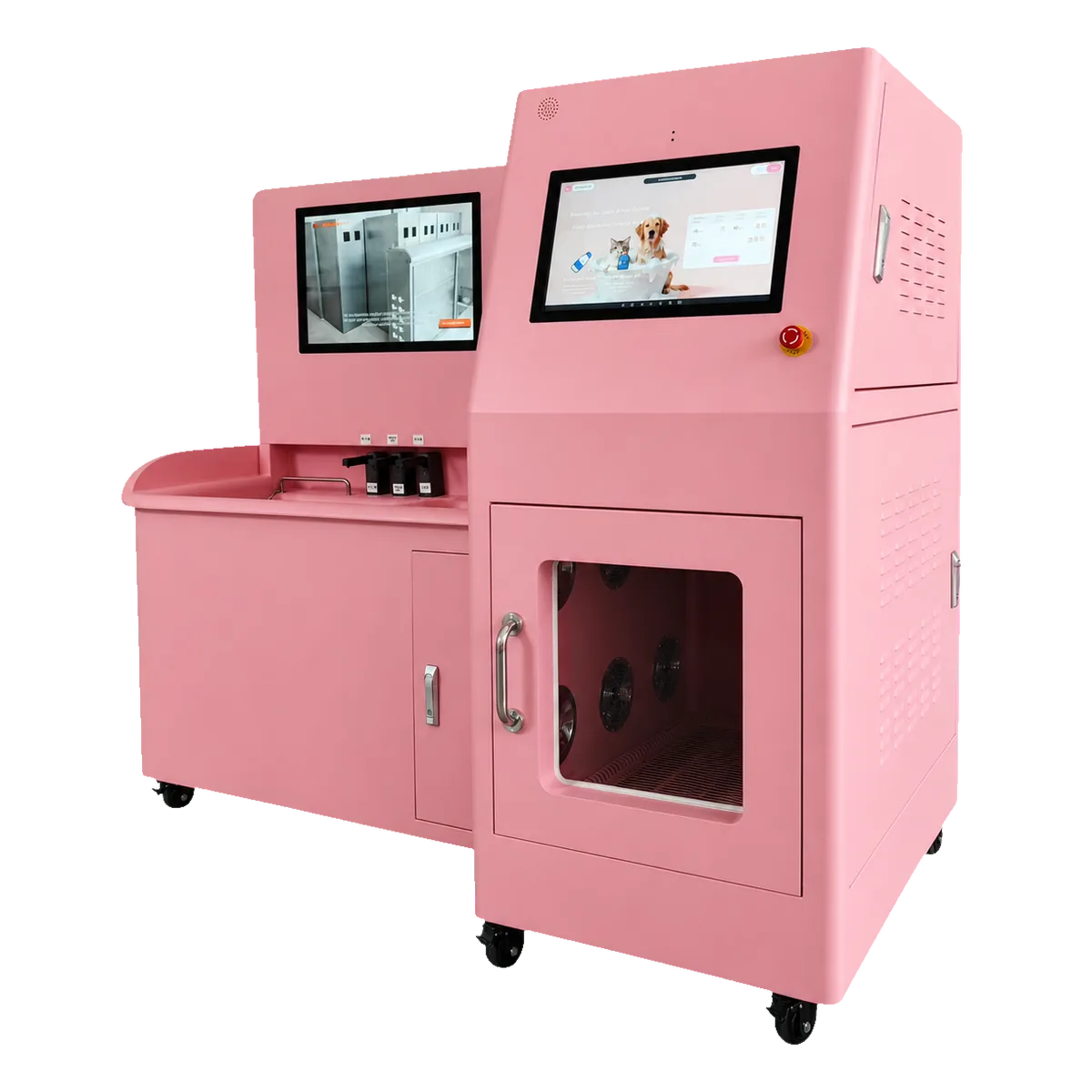
PetWash Tub
Indoor or outdoorWarm soak programs for skin cases, an open tub for hands-on care, and a quiet dry cabinet.
See the Tub →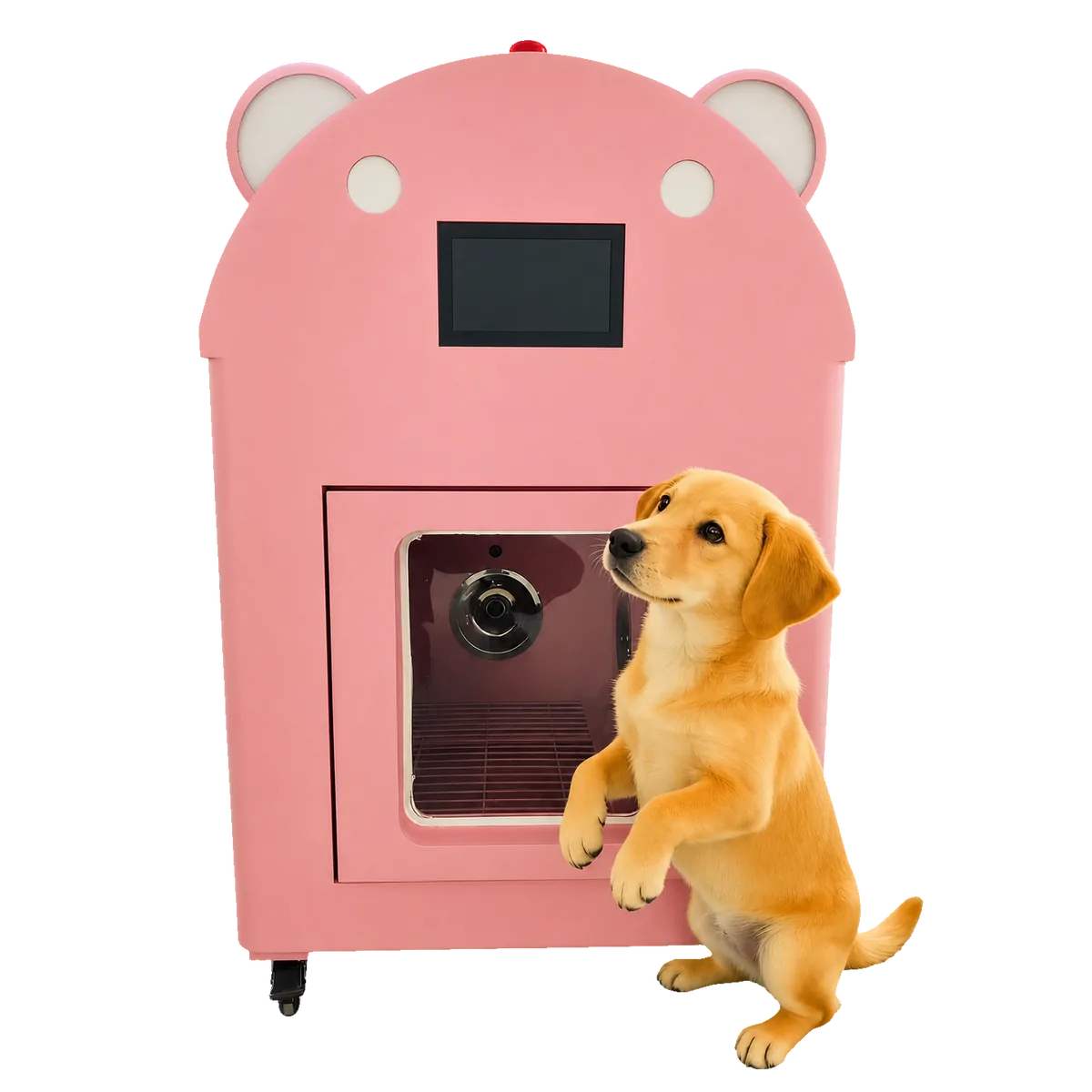
PetWash Mini
IndoorCat-first to 15 kg, a normal wall socket, and no perfume sprays — gentle on stressed intakes.
See the Mini →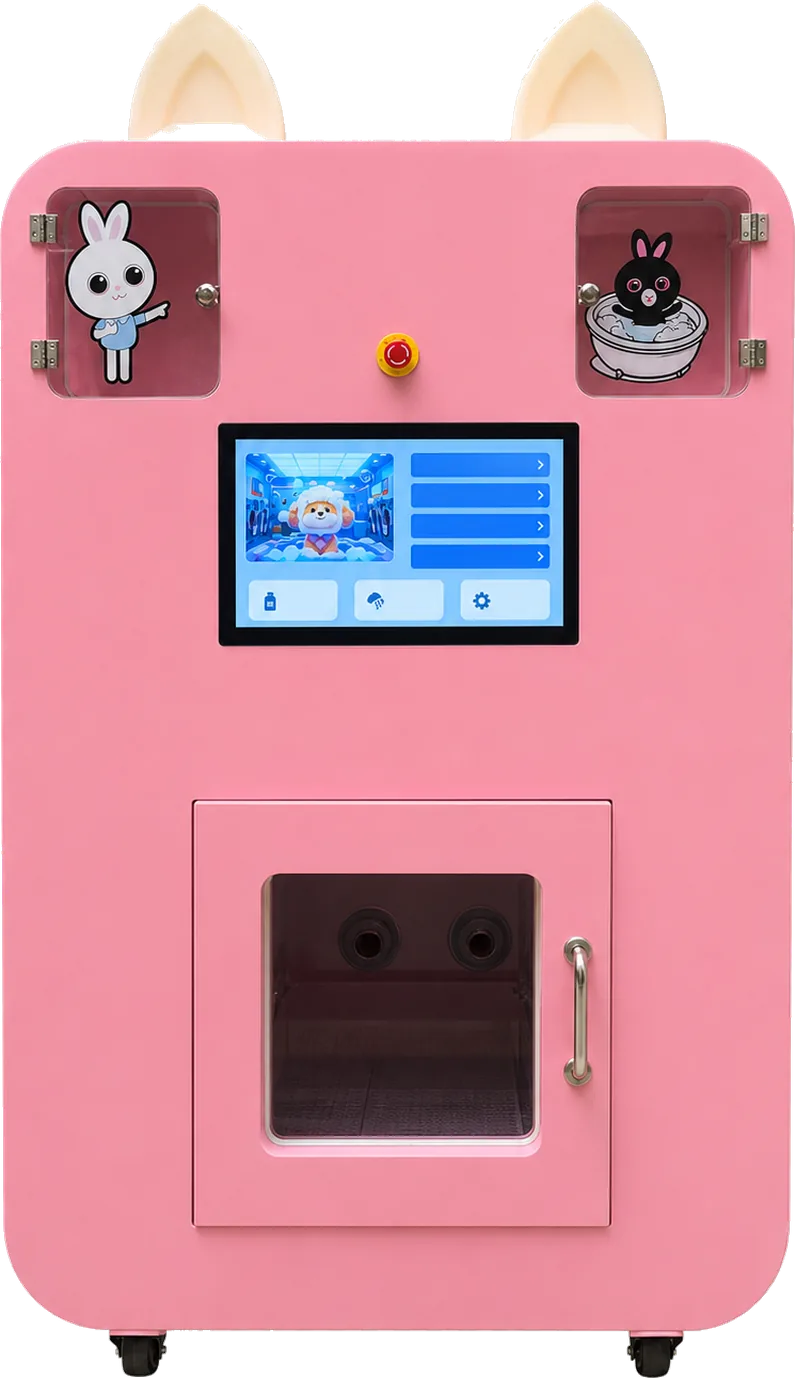
PetWash Pro
Indoor or outdoorWeatherproof steel rated -10 C to 55 C. Put intake washing outside the building, so a dirty animal never crosses a clean corridor.
See the Pro →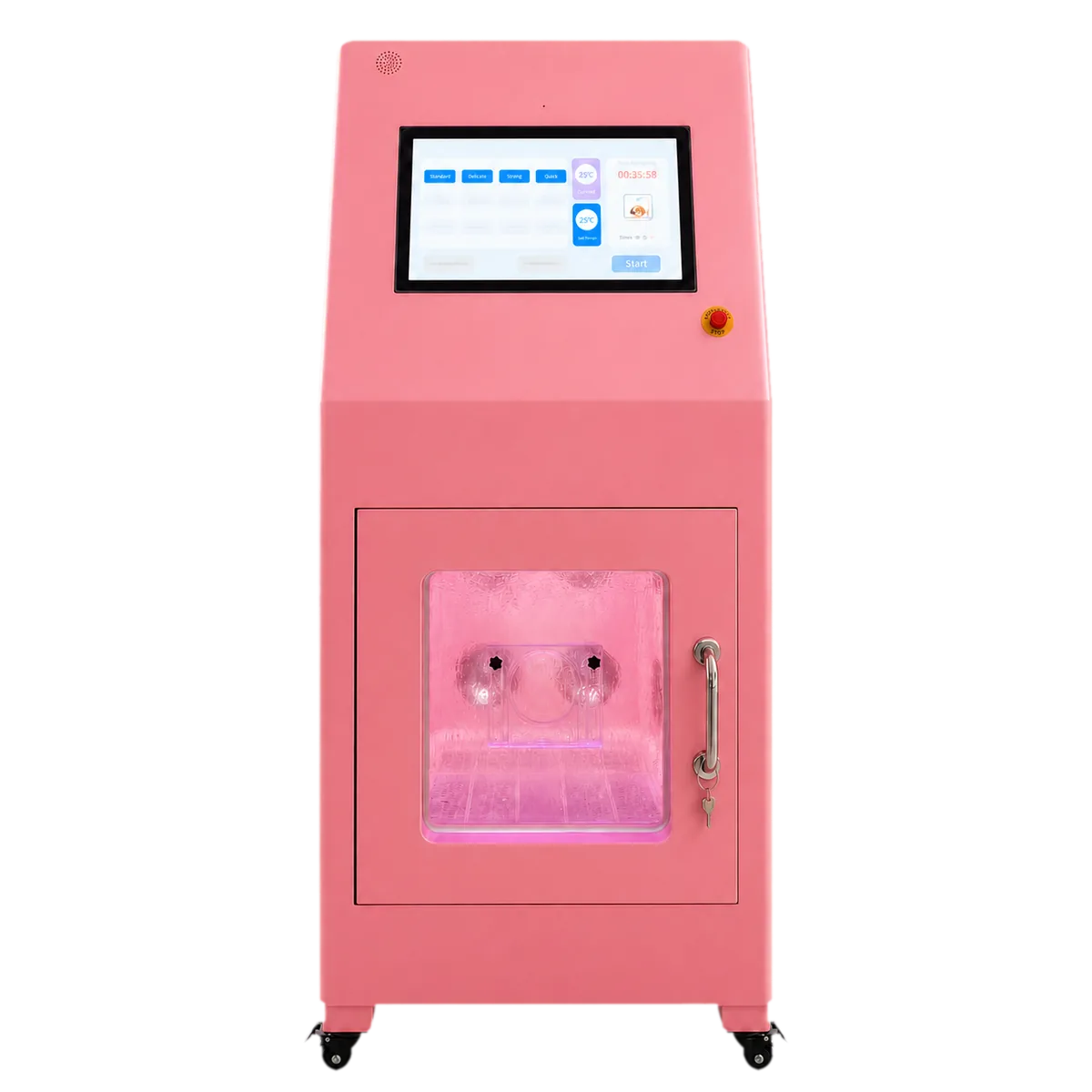
PetWash Store
Indoor78 cm wide and fully automatic to 70 kg. It fits an intake room with no space for the flagship, and it disinfects itself for four minutes between animals.
See the Store →Certified for Export: CE, LVD, EMC & RoHS
You don’t have to worry about compliance. Every machine already meets CE, LVD, EMC, and RoHS standards, and we hand you the documents you need for customs, insurance, or your property manager.
CE certified
CE is the EU’s official conformity mark, and we include the certificates with your order for customs, insurers, and property managers.
LVD tested
LVD stands for the EU Low Voltage Directive, the electrical safety test that CE certification is built on. Tested to IEC 60335-2-75 with IEC 60335-1 — the standard written for commercial dispensing appliances.
EMC tested
It means the machine won’t cause electromagnetic interference with payment terminals or nearby equipment.
RoHS compliant
RoHS compliant means the machine is free of restricted hazardous substances, so it’s safe to import and operate. Assessed to EN IEC 63000:2018.
Where Else a Pet Wash Station Works
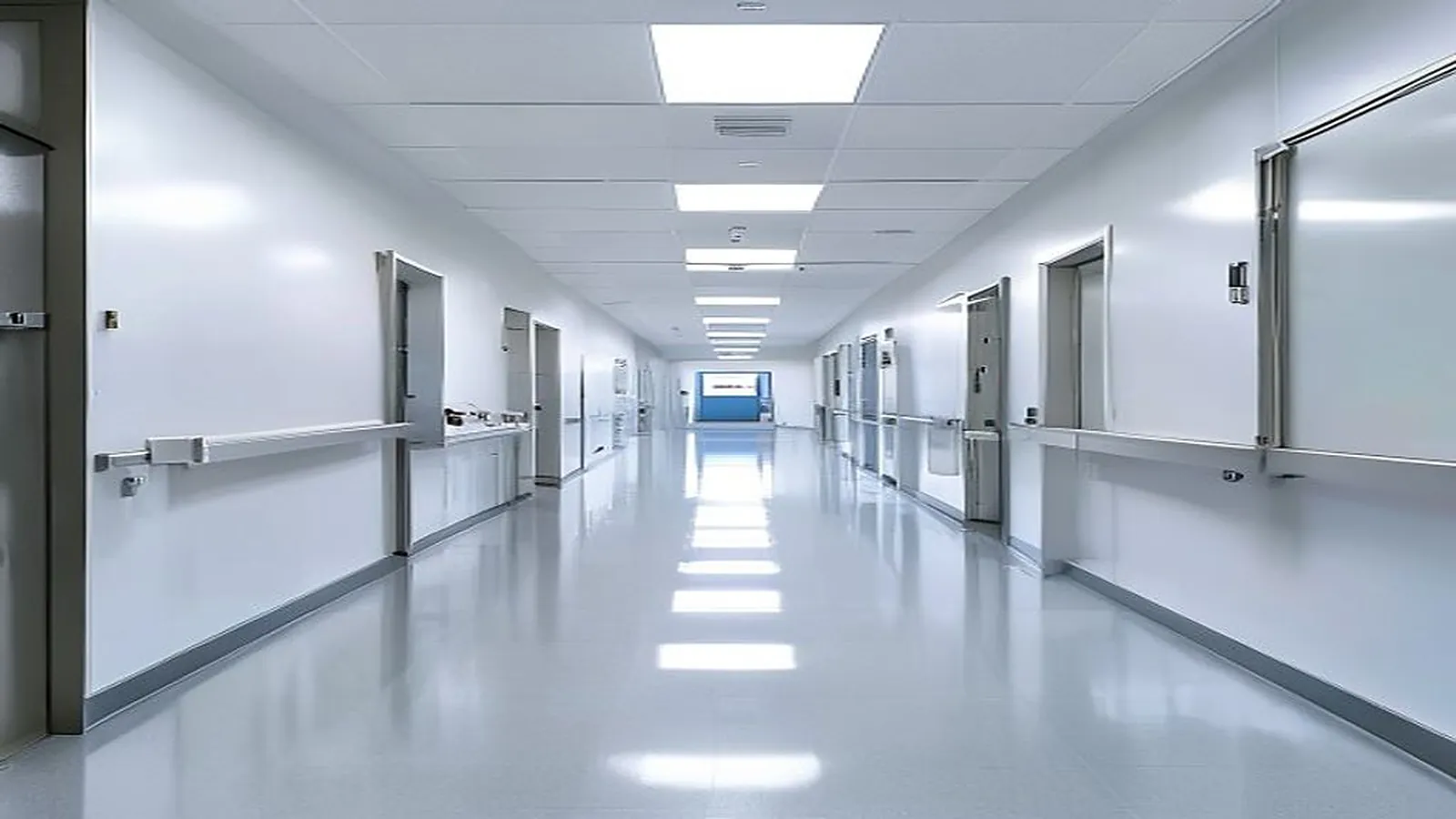
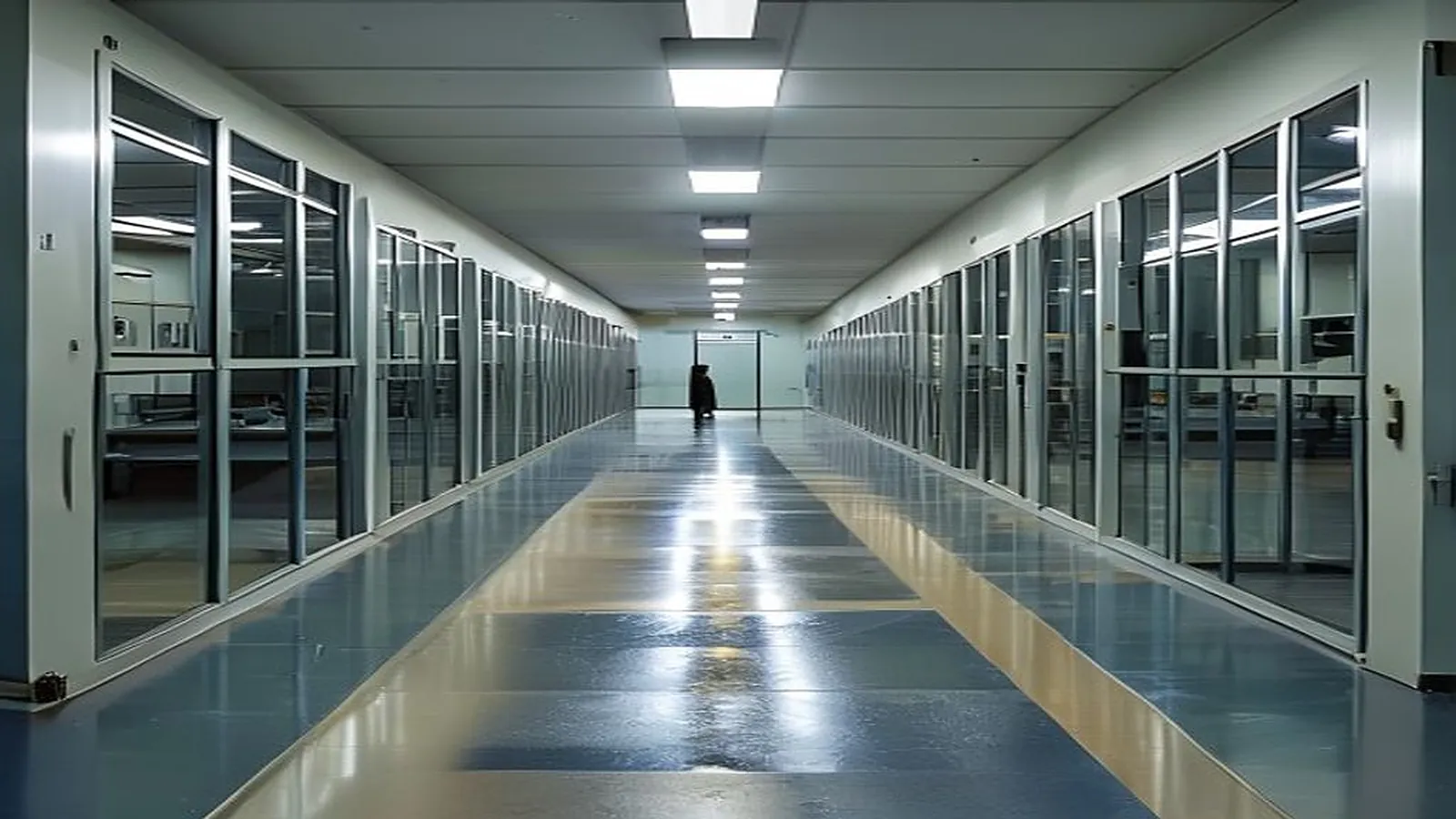
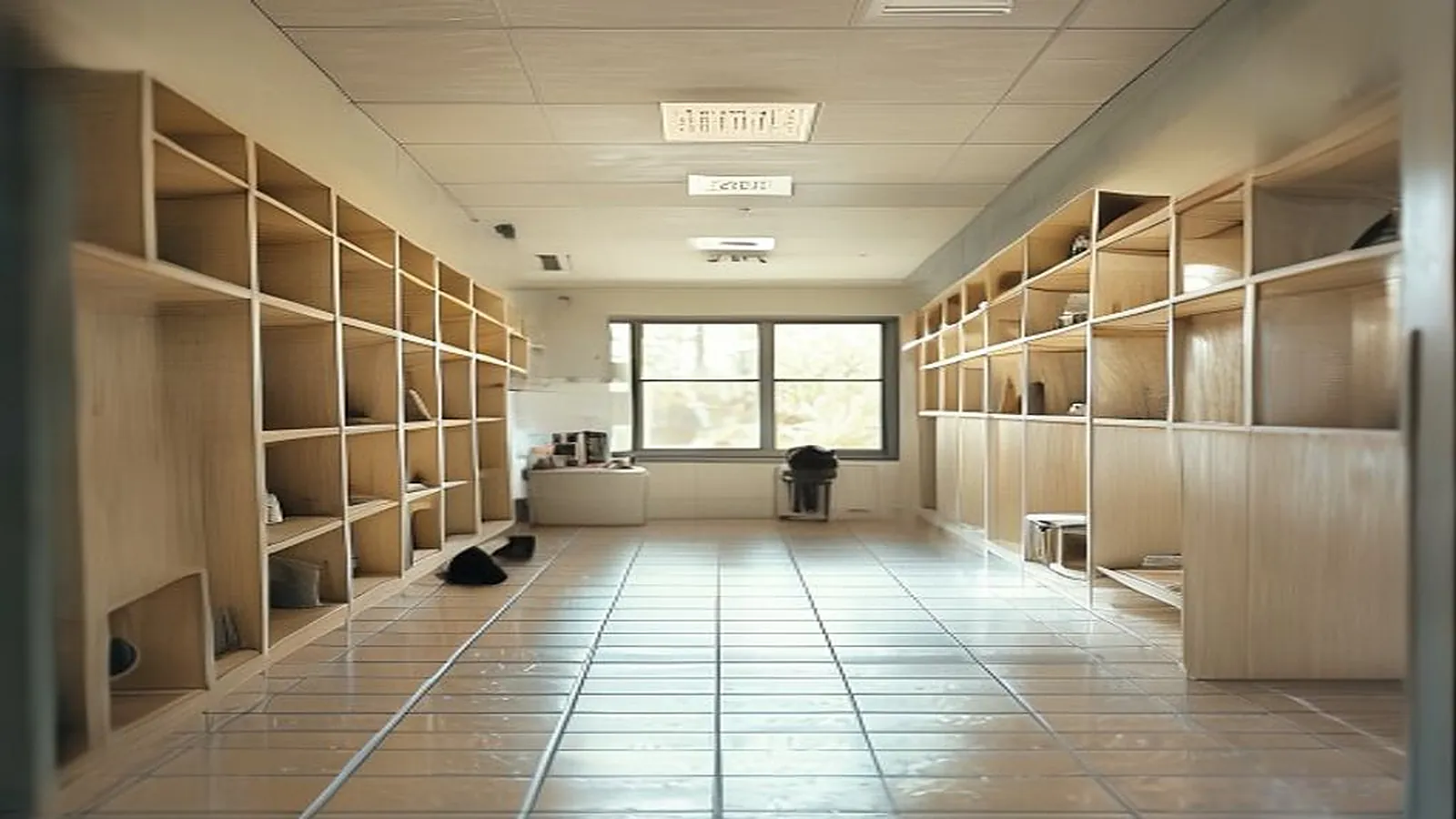
Give Every Intake a Clean Start with a Shelter Pet Wash
Send your country and the number of machines. A written quote comes back within 24 hours, in a form your board can file with a grant application.
- Factory-direct price, honest to shelter budgets
- Documented disinfection for your protocols
- Sponsor plaque area + grant spec documents
- Volunteer-proof one-button workflow
No spam. Your details are used only to prepare your quote.
Pet Wash for Animal Shelters — FAQ
What shelter directors ask before adding one.
Why does a shelter need a pet wash machine?
Intake volume. Every animal arriving dirty needs a bath before photos, vetting, and kenneling — and every bath is volunteer or staff time your shelter never has enough of. The machine turns each bath into a 30-minute unattended cycle with documented disinfection between animals.
Does a pet wash machine help control disease spread in a shelter?
That’s its core design: the cabin seals during the wash, runs ozone, infrared, and UV-C for 4 minutes after every animal, and collects hair and waste water internally. No shared tub carrying ringworm or kennel cough from intake to intake.
We run on donations — how do shelters afford one?
Three routes we’ve seen work: a named sponsorship (“The [Donor] Pet Wash”), a capital grant application with our spec documents attached, or community fundraising with the machine as a visible, photogenic goal. Ask us for the sponsor-pitch pack.
Does a clean dog really adopt faster?
Adoption listings live on photos. A washed, fluffy dog photographs like a pet; a matted intake photographs like a project. Cleaning up every animal before its listing photo is one of the cheapest adoption-rate levers a shelter has.
What is the lead time on a pet wash machine order?
Production runs 25 business days from the day the order is confirmed. Sea freight suits most shelters, since the machine is rarely needed the same month a grant clears; courier is there if it is.
How much does a pet wash machine cost for a shelter?
There's no published list price here; every order is quoted on its own. Once we know which country you're in and how many machines you want, the written figure reaches you inside 24 hours — a real number your board can attach to a grant application, not a verbal estimate.
What utilities does a shelter pet wash station need?
Water at 0.1–0.5 MPa, a nearby drain, and 220–240 V or 110–120 V power, whichever your country uses. No special drain interceptor, because hair and waste water are collected inside the machine every cycle. The PetWash Mini runs on a normal wall socket at 1870 W. Each wash uses 2–2.5 kWh and 0.09–0.11 m³ of water. We supply the spec documents for permitting.
Is it safe to close a frightened shelter dog in the cabin?
That case is what the safety systems are built for. Millimeter-wave radar and infrared life detection watch the animal, and 30 seconds without a signal auto-unlocks the door. An NTC cutoff kills power if water or air passes 42 °C. There is a physical emergency-stop button on the panel, abnormal events push an alert to your phone, and the handler watches the whole cycle through the window. Drying stays under 65 dB, where rival dryers often pass 100 dB. Your volunteer roster needs the shorter version: hurting an animal would take every one of these systems failing in the same minute.
Can we run medicated soaks for mange or ringworm cases?
Yes, with the PetWash Tub, our only self-serve open tub. It is an open tub plus a separate dry cabinet. You set the soak and bath packages yourself, for example 60 minutes for a large dog and 30 for a small one, with water held at 38 °C ±2 °C. Your vet decides what goes in the water; the machine holds the time, the temperature, and the drying. Many shelters run one Tub for medical cases and one enclosed machine for routine intake.
Do you have certificates we can attach to a grant application?
CE (LVD + EMC) and RoHS, supplied with the order for customs, insurers, grant reviewers, and landlords. We will also send the safety spec and utility requirements as documents.
What happens if the pet wash machine breaks and we have no technician nearby?
A machine down mid-intake puts volunteers back at the tub while arrivals wait. So we keep the fix short. The engineers who designed it work the fault out over video, and because we run pet wash stores ourselves, they usually recognize it. Replacement parts ship at no charge, and software trouble we patch over the network. Cover runs one year on the whole machine, five on motor and water maker, maintenance for as long as you keep it.