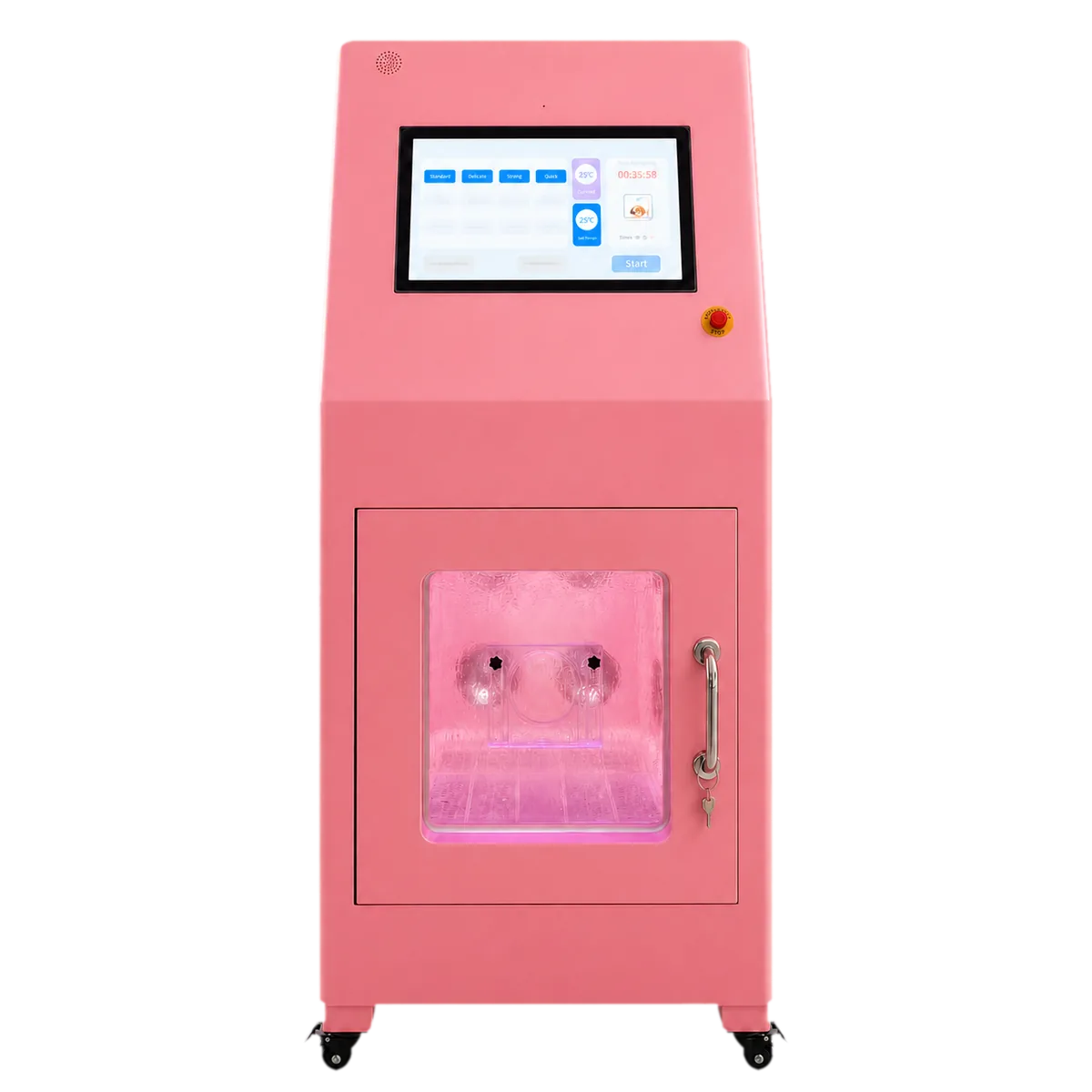
Pet Wash for Laundromats: Wash the Laundry, Wash the Pet, Same Visit
No other business has what you have: customers locked in for a 40-minute cycle, coins in hand, self-service in their muscle memory. A pet wash station is the most natural machine your laundromat will ever add.
Just your email — we ask for the rest by reply.
We reply within 24 hours on business days.
Why the Self-Serve Pet Wash Market Is Worth a Laundromat Bay
Start with the market, then look at your own floor. Four numbers set the frame.
US pet spending hit $158B in 2025 and is heading for $165B in 2026 (APPA). Dogs need a bath every 4–6 weeks (AKC) — a customer who washes at your store has a reason to come back monthly, laundry basket included.
The Laundromat Math for a Pet Wash
You know machine economics better than anyone. Here’s this machine’s.
Higher ticket than any washer
A triple-load runs $5–8. A pet wash runs $10–15 — on the same utilities, in the same footprint, with the same zero labor. At 100–200 washes a month that’s $12,000–24,000 a year from one bay, on $1.20–3.50 of water and power per cycle.
$10–15 per cycleFills the waiting habit
Your customers’ dead time is your competitor-proof asset. “Dog’s washed before the dryer buzzes” is a sentence no app can disrupt.
Captive 40 minutesNew customers, new trips
71.6% of US households own a pet (APPA), and the ones who never used your store now have a reason — they bring the laundry once they’re there. Dogs need washing every 4–6 weeks: a monthly repeat.
Cross-traffic both waysMachine-grade reliability
You run machines for a living; ours is built the same way — steel cabinet, self-disinfection, pet-safety sensors, remote status to your phone, and parts shipped free under warranty.
Built for operatorsWhat One Pet Wash Bay Earns in a Laundromat
You size machines by cycles a day. Size this one the same way.
A triple-load runs $5–8. A pet wash runs $10–15 — same water, same drain, same power, same bay, same zero labor.
Your customer is locked in for 30–60 minutes. The wash-and-dry cycle is about 30 minutes for a small dog, so it fits inside the wait instead of asking for a separate trip.
Dogs need a bath every 4–6 weeks (AKC). One pet customer is roughly a dozen washes a year, and the laundry rides along with each visit.
Each cycle draws 2–2.5 kWh and 0.09–0.11 m³ of water. Published industry figures put all-in operating cost at $1.20–$3.50 a wash, so the margin holds even if you vend at $10.
A worked example. Your traffic, your vend price, and your local water and power rates set the real numbers. Typical operator reports run 100–200 washes a month, or $12,000–24,000 a year per machine.
Pet Wash Station vs. Adding Another Laundry Washer
One bay is open and two machines want it. Same floor, same hookups — here is what actually changes.
| One more triple-load washer | One pet wash station | |
|---|---|---|
| Uses the water, drain, and power you already have | ✓ same bay, same hookups | ✓ same bay, same hookups |
| Earns a higher ticket per cycle | ✕ $5-8 a load | ✓ $10-15 a wash |
| Adds new demand instead of splitting yours | ✕ competes at peak hours | ✓ demand you never had |
| Fills the 30-60 minutes customers already wait | ✕ the wait stays dead time | ✓ cycle fits inside the wait |
| Fits a slot a washer cannot use | ✕ won't fit a narrow slot | ✓ Store model is 78 cm wide |
| Hard for the shop down the road to copy | ✕ any laundromat can add one | ✓ likely the only one nearby |
| Gives a new reason to choose your store | ✕ no new reason to visit | ✓ 49% prefer pet-friendly places |
| Brings in people who never used your store | ✕ serves your existing customers | ✓ their laundry follows |
The 49% pet-friendly figure comes from ICSC consumer research. Both machines take the same bay and the same hookups, so the real question is which customer walks in because of it.
How a Laundromat Customer Uses the Pet Wash
Saturday morning: two machines loaded, 45 minutes to kill, and the dog is in the car. Nobody needs a tutorial for what happens next.
She taps the card she just used
The pet wash takes the same tap she gave your washer two minutes ago. No one in your store has to explain how it works.
Same Nayax tapOne package on screen, then the door seals
She picks a wash package on the screen and the door seals. That is the entire setup, and she stays at the window to watch.
One choiceSeven wash steps, water held at 38°C
The cycle runs pre-rinse, shower gel, rinse, shampoo, rinse, conditioner, and a final rinse. PID control holds the water at 38°C ±2°C the whole way through.
38°C ±2°CA warm dry your store barely hears
The warm dry closes out the cycle at 65 dB or below. Nothing in a room full of running machines gets louder.
65 dB or belowThe dog walks out dry, not damp
Her dryer buzzes at about the same time the cabin finishes. The dog leaves dry, so there is no wet-dog shake across your floor.
No wet-dog shakeThe cabin cleans itself for the next pet
A 4-minute self-disinfection starts on its own once she walks out. Hair and waste water stay collected inside the machine.
4-minute cycleTap, pick a package, seven-step wash, warm dry, self-disinfect — the same muscle memory as your washers, and roughly the same cycle length. She leaves with clean clothes and a clean dog, and she tells somebody.
What It Takes to Install a Pet Wash in a Laundromat
This is where laundromats beat every other venue. The three expensive hookups are already in your floor.
You already have almost all of it
- 1.2 m² of level floor — one washer bay, or the corner by the window
- A water tee-off. The machine wants 0.1–0.5 MPa, which is where a commercial laundry supply already sits
- A floor drain — you built the store around them
- 220–240 V or 110–120 V power, whichever your country uses. The PetWash Mini runs on a normal wall socket at 1,870 W
- Wi-Fi or a SIM for payments, alerts, and price changes
- Room to open the door and walk a dog in — no wet room, no partition, no build-out
What we supply with the order
- Dimensioned machine drawings for your build-out
- Nayax payment terminal with 80+ channels worldwide, wired for 220–240 V or 110–120 V
- CE (LVD + EMC) and RoHS certificates — what customs, your insurer, and your landlord ask for
- Spec documents for permitting, including how hair and waste water are collected internally
- Your branding — cabinet color, logo, panel, and screen language, agreed before we build
- Remote setup and updates; software installs over the air, no visit needed
Load-in matters more here than utilities: the PetWash Pro is 350 kg and the PetWash Store 298 kg. Send your door width and floor photos and we will confirm the model fits before you order. Lead time is within 25 business days.
Picking the Right Pet Wash Machine for a Laundromat
Same self-serve habits your washers built.
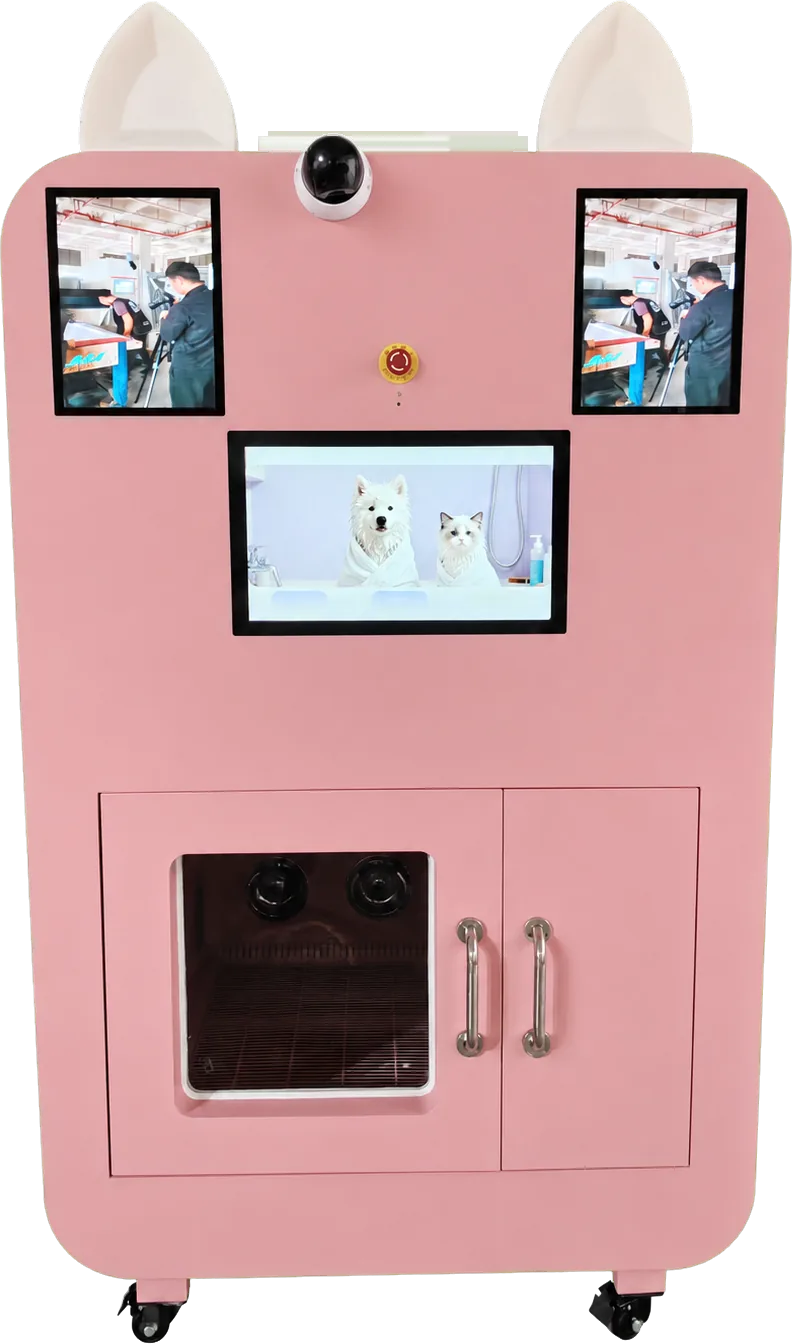
PetWash Max
Indoor or outdoorThree screens, two doors, and a reason to drive past the laundromat closer to home. Behind one door sits a constant-temperature water gun and dryer for finishing by hand; the other runs the whole seven-step wash and dry with nobody watching. No other model does both. This is the flagship, and nothing else on your floor earns like it.
See the Max →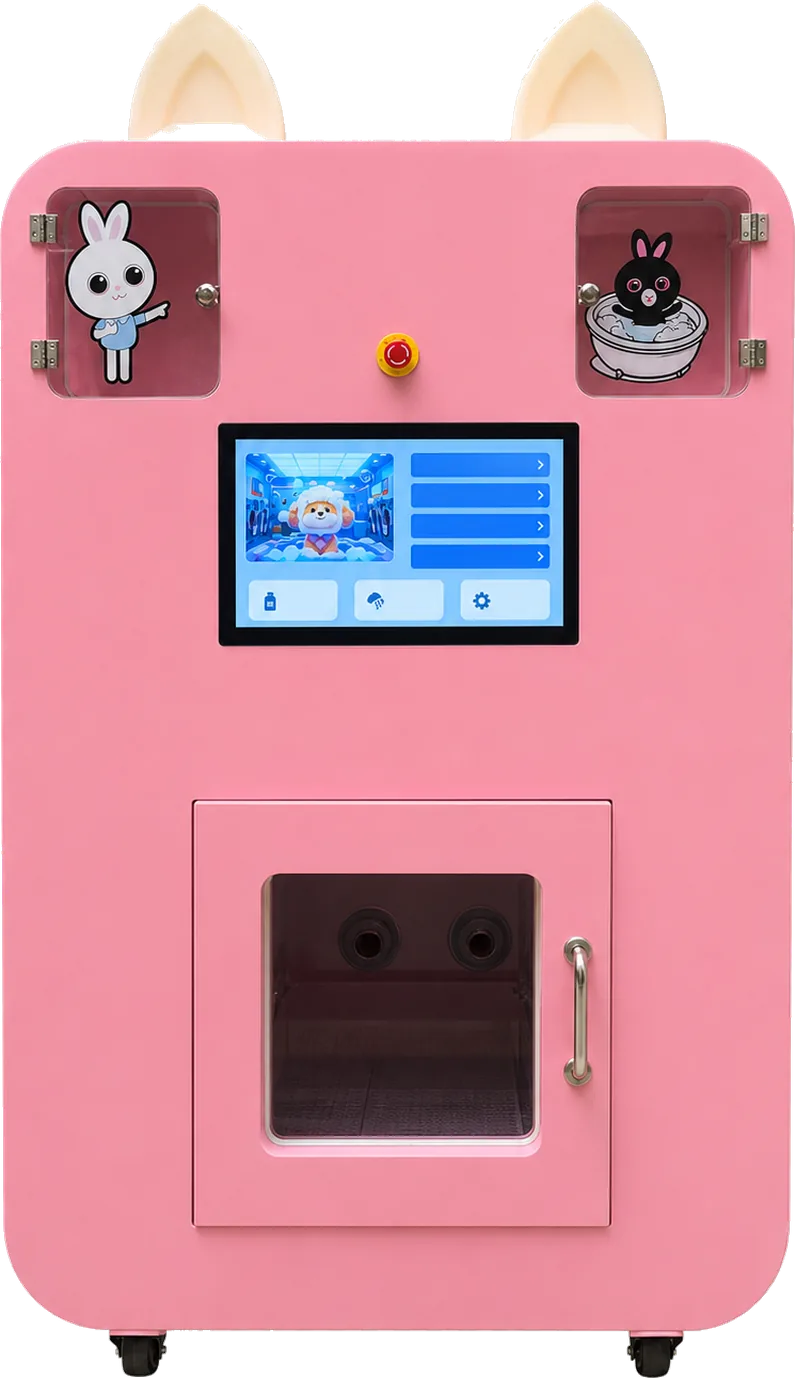
PetWash Pro
Indoor or outdoorNayax payments — one more self-serve machine collecting while the laundry spins.
See the Pro →PetWash Store
IndoorOnly 78 cm wide — a full automatic pet wash in one washer-row slot.
See the Store →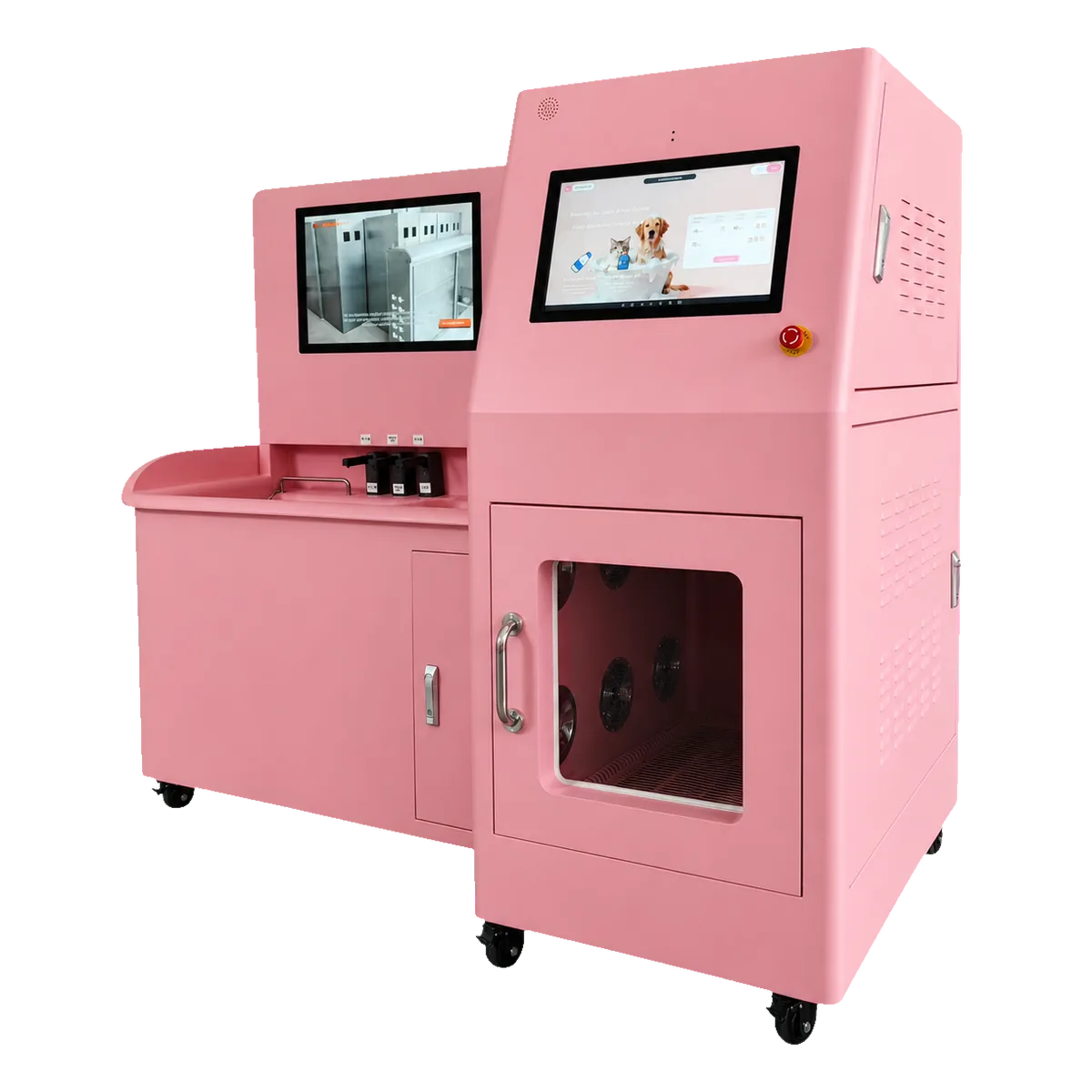
PetWash Tub
Indoor or outdoorOnly if you keep an attendant on the floor. The open bath plus the drying cabinet lets one person run two dogs at once. The 32-inch second screen faces the room while customers wait on their wash.
See the Tub →Is an Unattended Pet Wash Safe — and Does It Need Staff?
Two questions come up in this order. Both have hardware answers, not promises.
How the machine protects the pet
- Millimeter-wave radar plus infrared life detection — no living signal for 30 seconds and the door auto-unlocks
- NTC cutoff kills power if water or air passes 42°C; wash water is PID-held at 38°C ±2°C
- A physical emergency-stop button on the panel, reachable by whoever is standing there
- Sealed cabin with fresh-air circulation, and the owner watches the entire cycle through the window
- Drying stays under 65 dB, where rival dryers often pass 100 dB
- No perfume or essential-oil sprays — those harm a cat's liver and kidneys. The gentle shampoo leaves a light fresh scent
Why it runs without an attendant
- Self-disinfects after every single wash — ozone/anion, infrared and UV-C, 4 minutes, killing 99.9% of germs. Nobody scrubs a tub between pets
- Hair and waste water are collected internally every cycle, so your floor drains stay clear
- Sealed cabin — no splash, no wet room, no wet-dog smell in a store full of clean laundry
- Abnormal events push an alert to your phone, the same way you watch your other machines
- Prices and packages are on-screen settings — wash+dry or dry-only, by pet size and time. Change a price from your phone, standalone or networked
- Faults: film it, our engineers diagnose on a live video call, the replacement part ships free with fitting instructions
We have been in pet wash for 10+ years and we run our own pet wash stores. The unattended headaches owners post about on forums are ones we hit ourselves first, then designed out. Warranty: 1 year whole machine, lifetime maintenance.
Certified for Export: CE, LVD, EMC & RoHS
You don’t have to worry about compliance. Every machine already meets CE, LVD, EMC, and RoHS standards, and we hand you the documents you need for customs, insurance, or your property manager.
CE certified
CE is the EU’s official conformity mark, and we include the certificates with your order for customs, insurers, and property managers.
LVD tested
LVD stands for the EU Low Voltage Directive, the electrical safety test that CE certification is built on. Tested to IEC 60335-2-75 with IEC 60335-1 — the standard written for commercial dispensing appliances.
EMC tested
It means the machine won’t cause electromagnetic interference with payment terminals or nearby equipment.
RoHS compliant
RoHS compliant means the machine is free of restricted hazardous substances, so it’s safe to import and operate. Assessed to EN IEC 63000:2018.
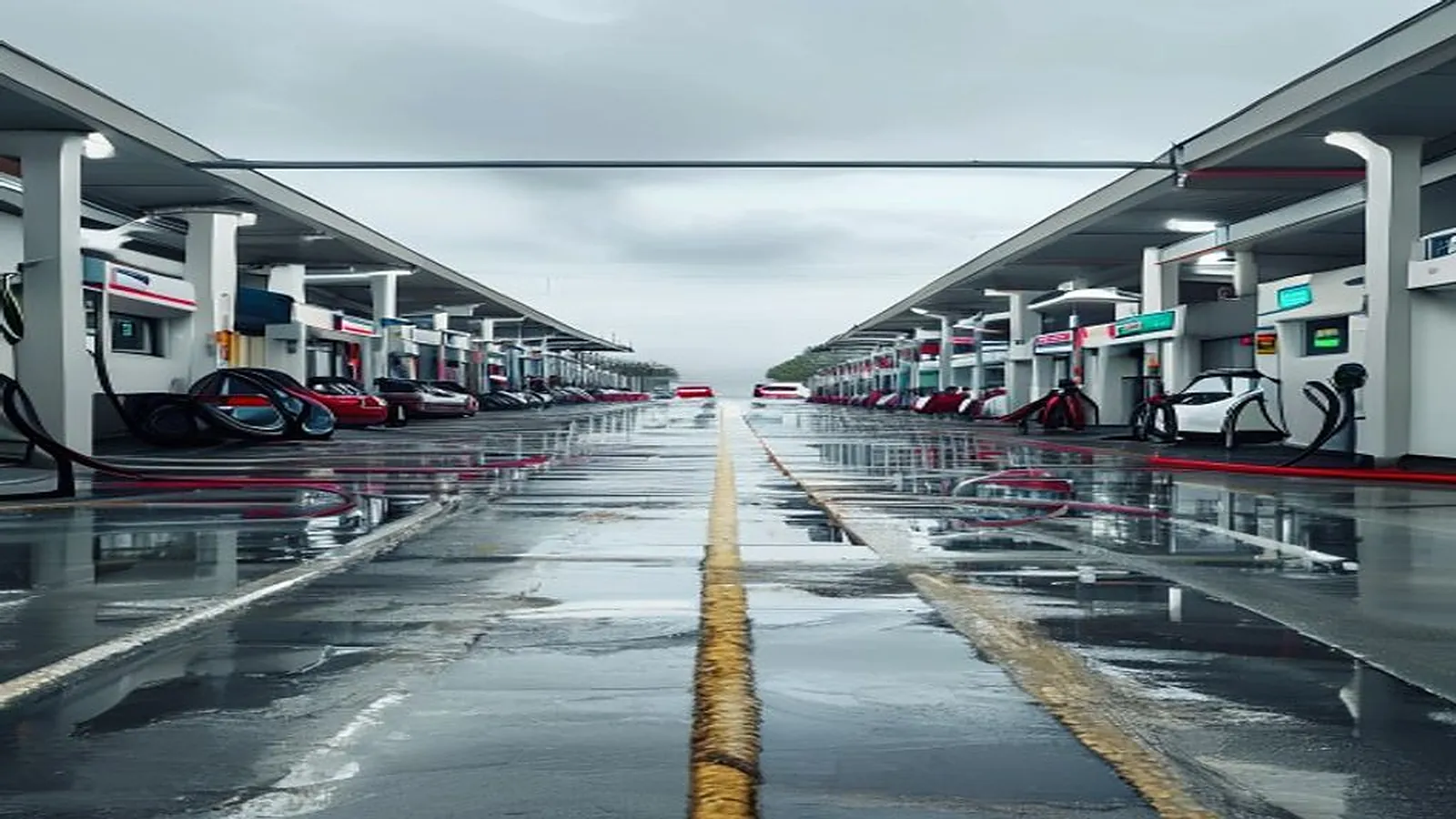
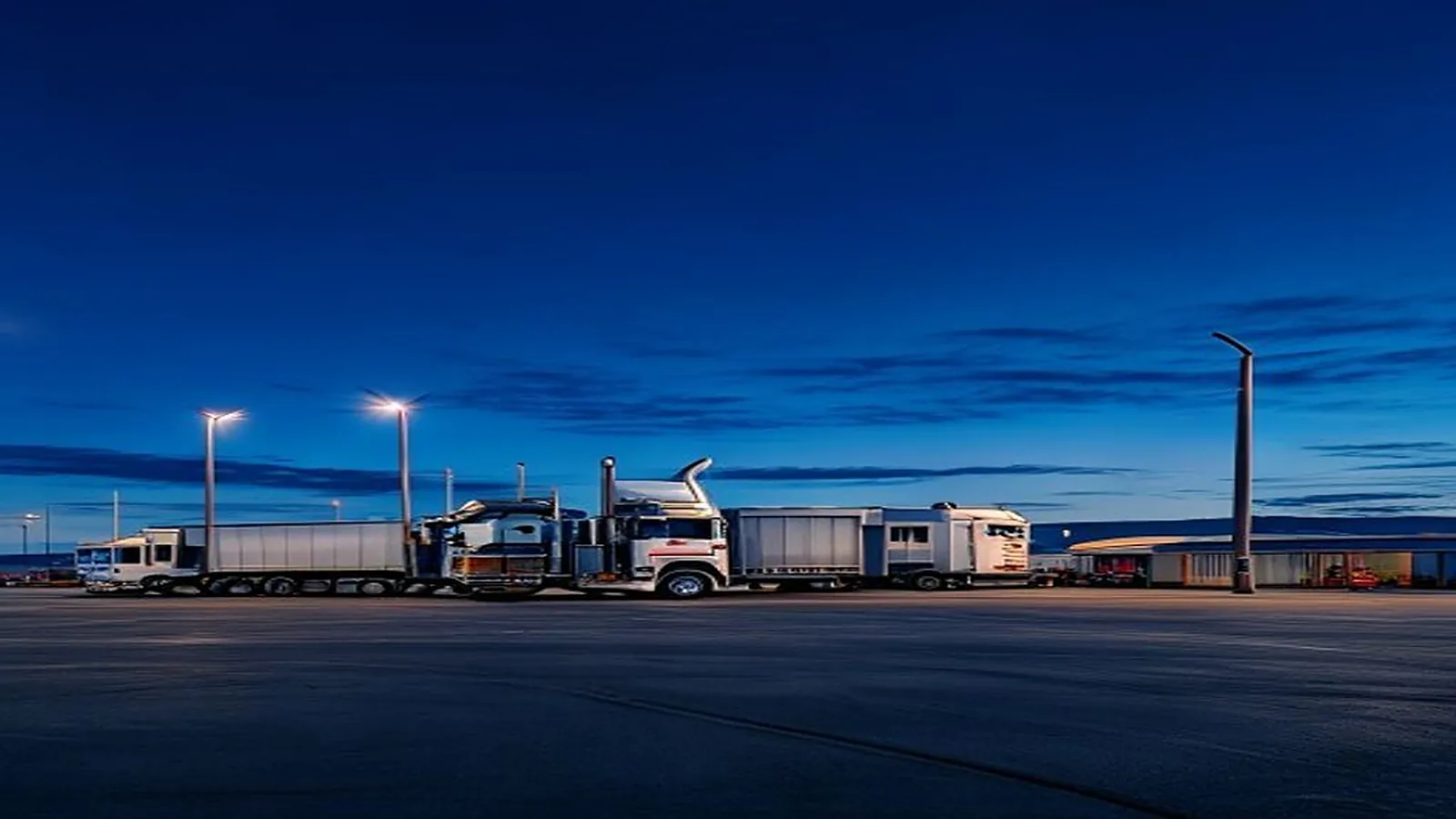
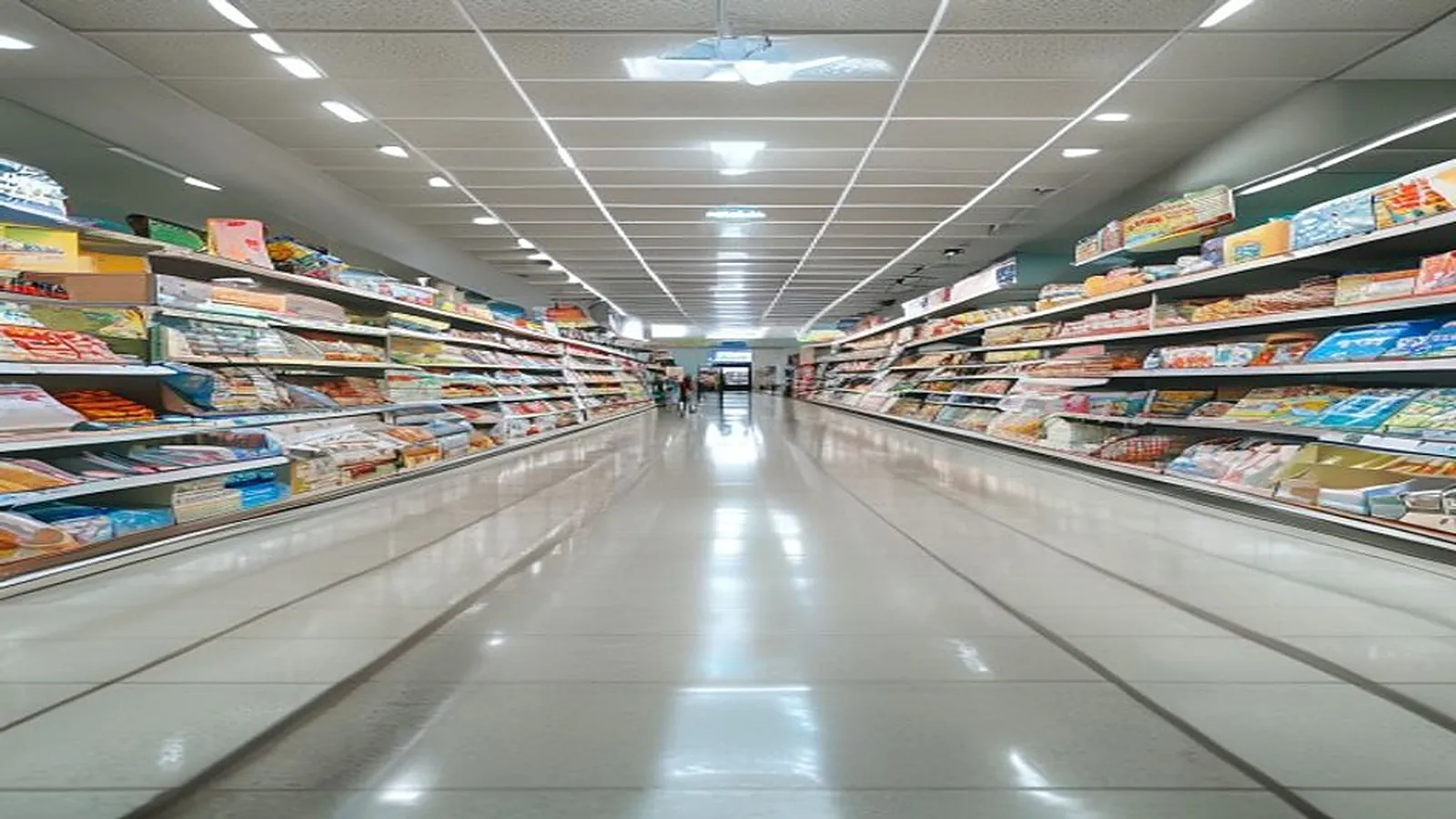
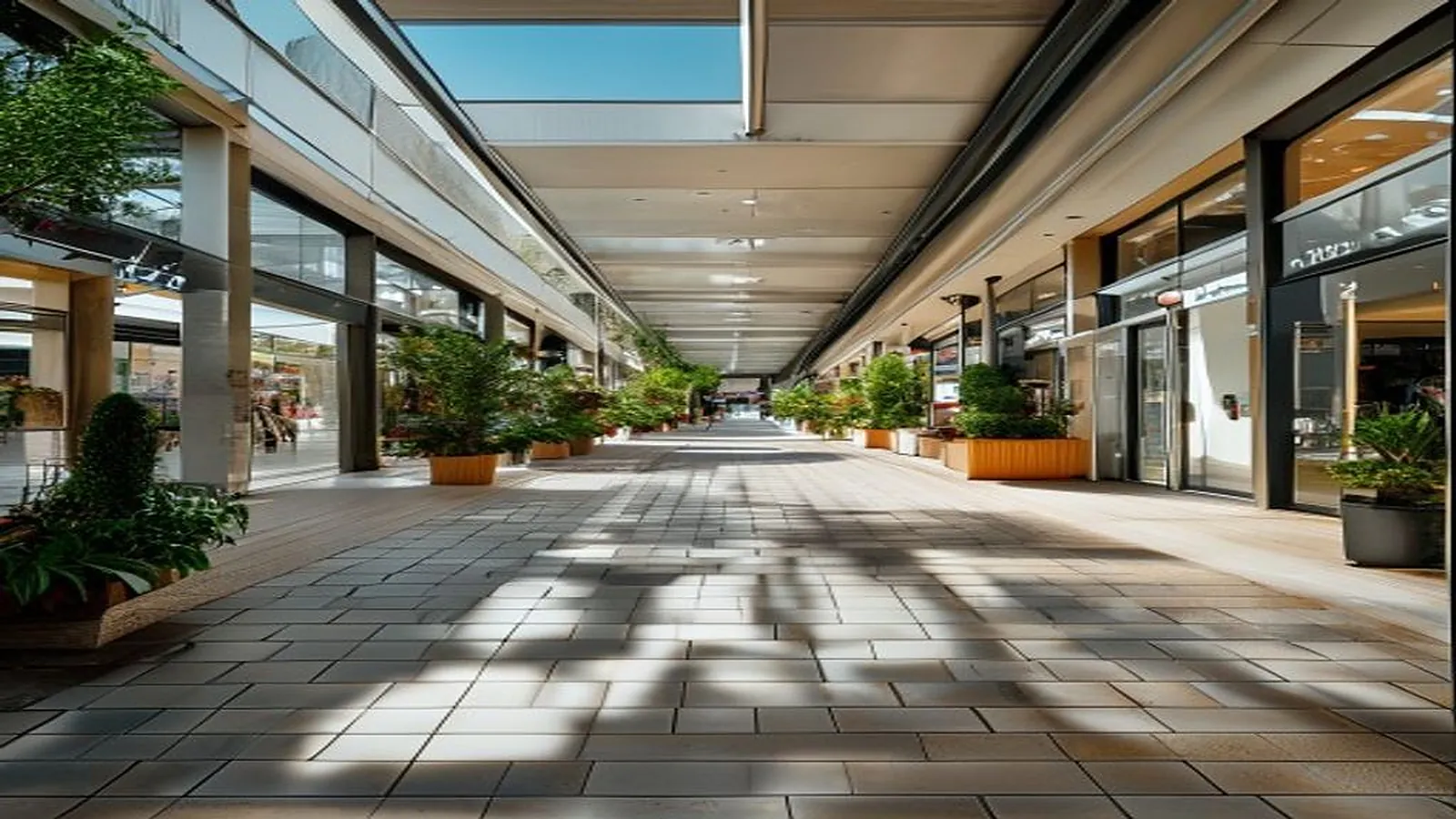
Where Else a Pet Wash Station Earns
Add Your Highest-Ticket Machine: a Pet Wash Station
Send us your country and how many machines. Pricing and lead time come back within 24 hours, along with the hookup figures your plumber will want.
- Factory-direct price, no middleman
- Fits where a washer bay fits
- Same coin/card flow your store runs on
- Window signage artwork included
No spam. Your details are used only to prepare your quote.
Pet Wash for Laundromats — FAQ
What store owners ask before adding one.
Why do laundromats work so well for pet washes?
Three reasons: your customers are already there for 30–60 minutes with nothing to do; they already pay machines with coins and cards; and your building already has commercial water, drains, and power. It’s the same self-service habit pointed at the dog.
Where does a pet wash machine fit in a laundromat?
A 1.2 m² corner — where a triple-load washer would stand. The PetWash Pro works indoors or by the entrance — its weatherproof steel cabinet handles −10 to 55°C either way. If floor space is tight, the PetWash Store is only 78 cm wide and slots in where a washer can't. The sealed cabin means no wet-dog smell in your store.
Will pet fur from the machine end up in my plumbing?
No — hair is caught by the machine's internal filter and collected after every wash, so only filtered water reaches your drain. Fur never gets near the plumbing your laundry equipment depends on.
Does a pet wash machine suit attended or unattended stores?
Both work. Unattended stores treat it like any other machine — monitored by camera, alerts to your phone. Attended stores find staff answer one question the first visit, then customers self-serve forever.
What is the lead time on a pet wash machine order?
Twenty-five business days to build, plus freight. If you are timing it around a lease renewal or a refit, tell us the date and we will confirm whether it is realistic.
How does a pet wash machine's cost compare to adding another washer?
Another washer competes with the laundromat down the road. A pet wash does not, and it earns the ticket you set on screen rather than a few dollars a cycle. Both need about the same floor space and the same hookups. Our own number comes off the plant floor with no dealer in between, and how many you take changes it more than anything else. Give us a country and a unit count, and pricing lands within 24 hours.
What does one pet wash actually cost me to run?
About 2–2.5 kWh of power and 0.09–0.11 m³ of water per cycle, plus shampoo and conditioner. Published industry figures put the all-in operating cost between $1.20 and $3.50 a wash. At a $12 vend price, most of the ticket stays with you — and there is no labor line at all.
Do I have to clean the machine between pets?
No. This is the single biggest complaint owners post about open tubs: somebody has to scrub them after every dog. Our cabin is sealed and disinfects itself for 4 minutes after every wash — ozone/anion, infrared and UV-C, killing 99.9% of germs — and collects the hair and waste water internally. Your routine is the same as any other machine: empty the collection, check the consumables.
What certifications does the machine carry?
CE (LVD + EMC) and RoHS. Certificates are supplied with the order, which is what customs, your insurer, and your landlord normally ask for.
Do cats really use it?
Yes, and it is worth putting on the window sign. Cat owners are the customers who have given up on bathing at home, so a machine that does not frighten the cat is a real draw. The noise is the thing that scares cats, and a hand-held force dryer runs past 100 dB — ours stays at 65 dB or below. The cabin is sealed and quiet, the water holds at 38 °C, and the cat is left alone rather than held down. The 7-step cycle is the same as for dogs; the package and the time change. Ask and we will send you a full wash filmed with a Ragdoll, which is worth showing a doubtful cat owner at the counter.